Lake Mburo National Park: The Hidden Gem of Uganda’s Wilderness
June 23, 2025
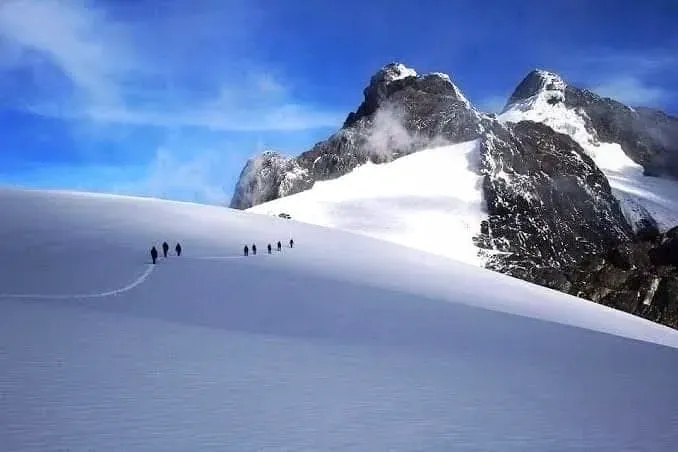
Set in the heart of East Africa, on the border between Uganda and the Democratic Republic of the Congo, is one of the world’s most fabled mountain ranges—the Rwenzori Mountains. Referred to as the “Mountains of the Moon,” this site is a lesser-known destination for hikers and adventurers brave enough to tackle Africa’s most challenging yet exciting ascent.
Snow-covered peaks, lush rainforests, glacial valleys, and among the rarest plant species on Earth are just a few of the reasons why the Rwenzori Mountains offer a trekking experience that easily rivals the world-famous Kilimanjaro.
Are you well-prepared to take on the Rwenzori Mountains? Allow us to guide you through this grand adventure.
Africa’s Third-Highest Summit – Margherita Peak 5,109m) of Mount Stanley
If you need a raw, virgin, and adventure-rewarding mountain expedition, the Rwenzori Mountains should be at the top of your bucket list.
Your journey begins in Uganda at Rwenzori Mountains National Park, the lesser-known but equally stunning national park of Uganda. Here, you’ll be greeted by dense tropical forests, stunning clear-blue rivers, and a peace that’s hard to come by anywhere else.
There are several trekking routes available, but the most popular expedition is the 8- to 10-day hike to Margherita Peak (5,109m) — a challenging yet incredible climb that will take you through six distinct vegetation zones.
One of the most distinctive aspects of climbing the Rwenzoris is its varied environment. Rwenzori’s trails, in contrast, are very much like entering another world with every additional vertical foot gained, as opposed to Kilimanjaro’s tracts of mostly bare land.
As you climb higher, the scenery becomes increasingly surreal and dramatic, which is one of the reasons this trek is considered one of the most beautiful in the world.
Attaining the highest peak of the Rwenzori, Margherita Peak, is a real mountaineering feat. The final ascent involves:
But when you reach the top and find yourself amidst the snow, the ice, and Africa’s vast landscapes, it all makes sense, and every step will have been a step well taken.
Fun Fact: While Mount Kilimanjaro is a dormant volcano, the Rwenzori Mountains were formed by tectonic uplift, making them one of the most geologically distinct mountains in the world.
Not quite prepared for the full Margherita Peak excursion? No worries! There are also shorter and less technical treks that still provide a taste of what the Rwenzoris have to offer:
These shorter treks are ideal for those who want to experience the Rwenzoris without having to undertake the arduous challenge of high-altitude mountaineering.
The optimal time to trek is during the dry seasons, when it is likely that the trails will be less muddy and you can have a better estimate of the weather:
Climbing is very difficult during the rainy seasons (March-May and September-November) due to heavy rain, slippery trails, and thick mud. But the view in the wet season is absolutely stunning.
Wildlife & Special Flora in the Rwenzoris.
Volcanoes and Rifts: Biodiversity on the Rwenzoris. Described as a place where mountains come first, the Rwenzoris are more than just mountains – they are among Africa’s most exceptional biodiversity hotspots.
Wildlife Highlights:
Rare Plant Species:
How tough is climbing the Rwenzoris?
Best For: This trek is for experienced trekkers & mountaineers, or even for beginners who explore this trek with a fitness level of years of participation in the treadclimber.
With our exceptional personalised safaris throughout East Africa, you will have the opportunity to enjoy the debut wildlife safaris in Tanzania, magical gorilla trekking in Uganda and Rwanda, and experiential cultural tours that take you to the soul of Africa.
WhatsApp us
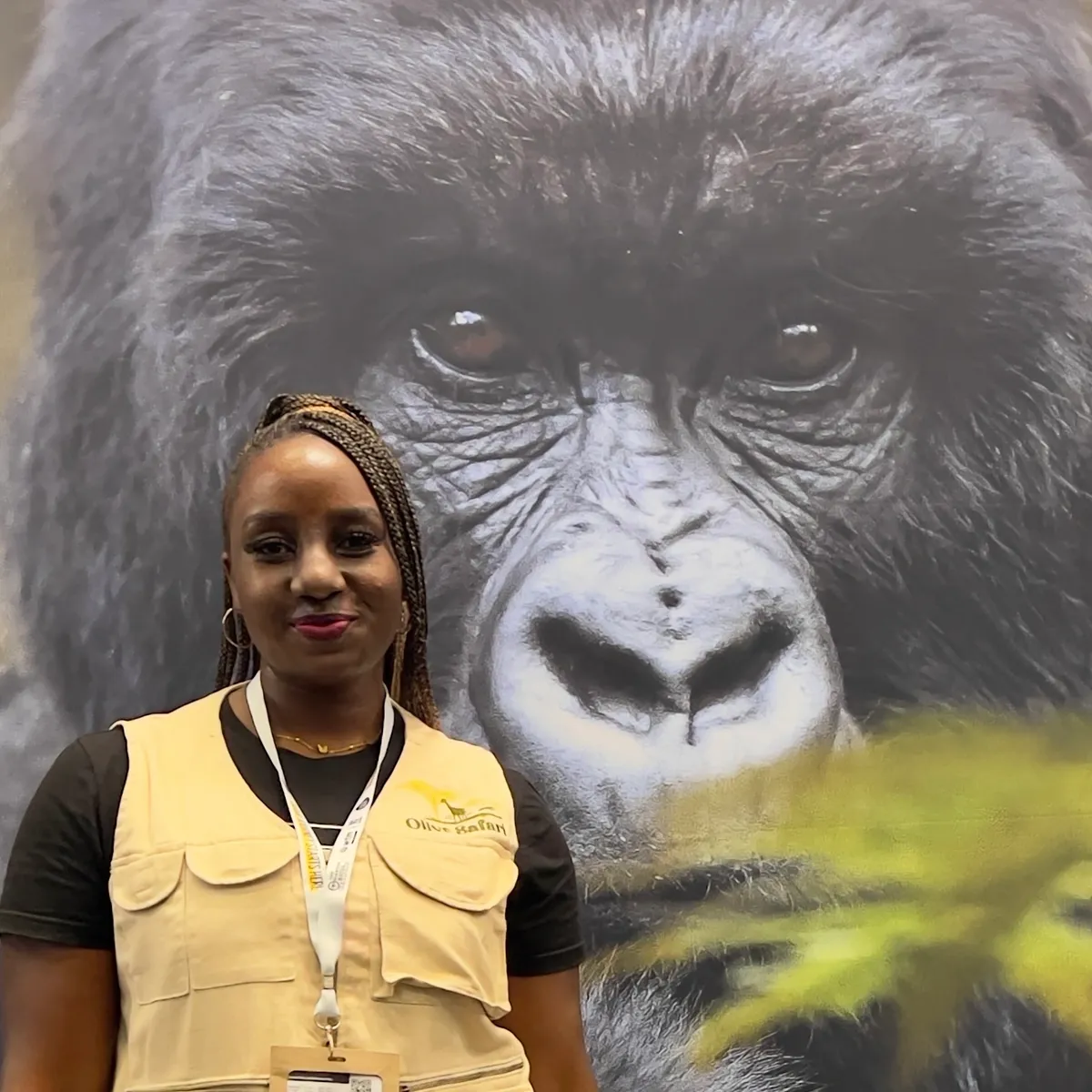
Cheryl, the eldest daughter of Olive, has embraced the responsibility of carrying forward her mother’s legacy with resilience and determination. After losing her father at the age of six, she was raised by her mother, Olive, with the support of Christer. Olive’s passing in 2017, when Cheryl was just 19, became a defining moment in her journey.
Having been involved in the foundations of Sunset Hotel Entebbe and Olive Safari Uganda from a young age, Cheryl stepped up to manage the businesses alongside Christer. Under his mentorship, she navigated the complexities of entrepreneurship and discovered her passion for tourism.
With a Master’s degree in Business Administration and hands-on leadership, Cheryl has been instrumental in maintaining loyal clientele at Sunset Hotel Entebbe, adapting it to post-COVID standards, and expanding Olive Safari Uganda. As a certified tour guide for Uganda, Tanzania and Zanzibar, she remains committed to upholding her mother’s vision of exceptional service and unforgettable travel experiences.
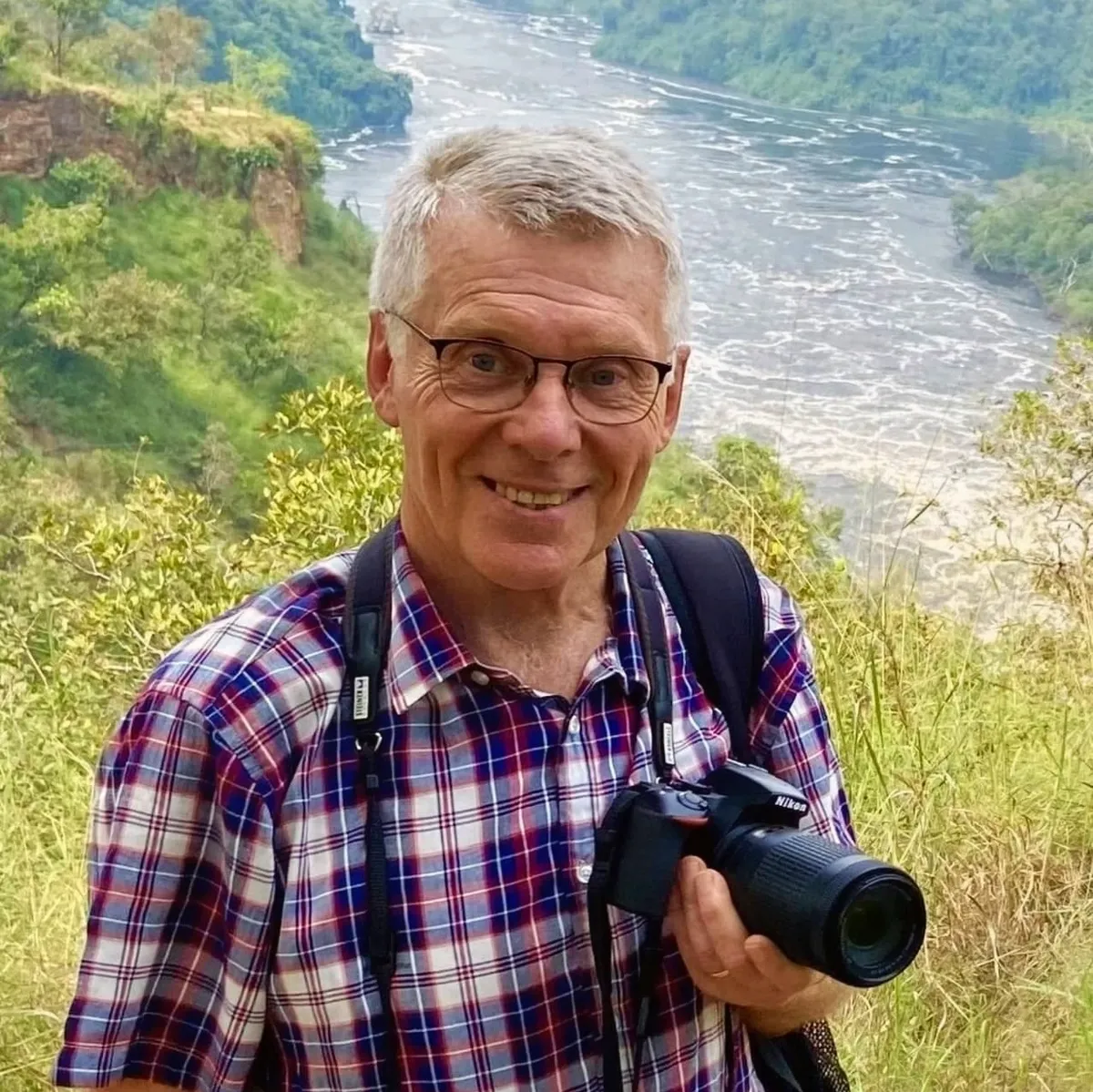
Christer, a Swedish education consultant with over 40 years of experience guiding travelers across Africa, co-founded Olive Safari Uganda with a deep passion for the continent’s wonders. His extensive journeying, particularly through Zimbabwe, Uganda, Tanzania, and Kenya, enriched his understanding of Africa’s landscapes and cultures. As a consultant, he also contributed to education and development, notably establishing an automotive school in Zimbabwe. His work with the Global Journey program brought him to Uganda, where he collaborated with municipalities and fell in love with the country’s heritage.
During this time, he met Olive, whose exceptional leadership and organizational skills later turned their professional relationship into a personal one. Their shared vision led to the creation of Olive Safari Uganda in the early 2000s, followed later by Sunset Hotel Entebbe. While Christer split his time in Sweden managing the Global Journey program, Olive oversaw daily operations. Today, Olive Safari Uganda embodies Christer’s seasoned expertise as a guide and strategic insight, paired with Olive’s dedication, delivering outstanding safaris that showcase Uganda’s beauty and beyond.
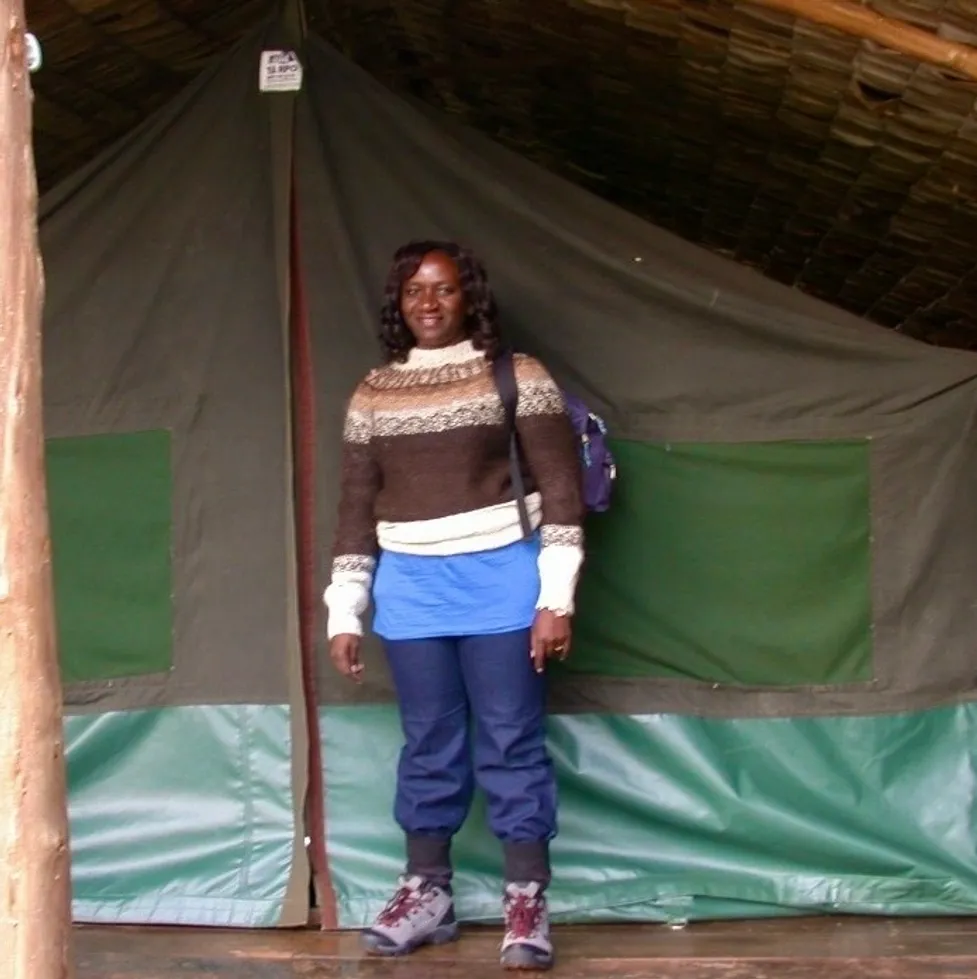
Ayebale Olive, co-founder of Olive Safari Uganda, brought over 20 years of community service experience into the world of tourism. As secretary to Entebbe’s Mayor, she honed her skills in program management and international partnerships, playing a key role in the Global Journey program that linked Uganda and Sweden.
It was through this program that she met Christer—three years after the passing of her first husband, while raising three children. United by a shared passion for travel and discovery, they founded Olive Safari Uganda in the early 2000s. Their commitment to exceptional service quickly set the company apart.
As demand grew, they expanded their vision by establishing Sunset Hotel Entebbe, creating a welcoming space for travelers exploring Uganda. Olive’s legacy lives on, shaping the company’s dedication to authentic and unforgettable safari experiences