Wildlife Safari Experience in Bwindi Impenetrable National Park

Bwindi Impenetrable National Park – Gorilla Trekking Capital of the Wildlife safaris

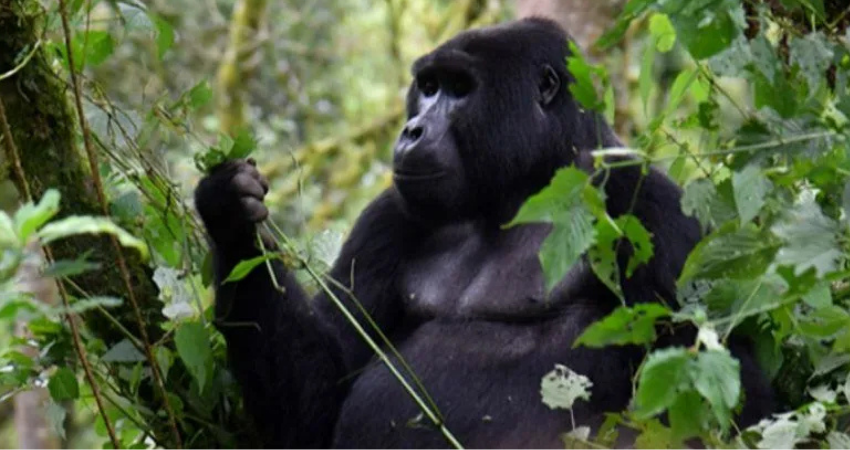
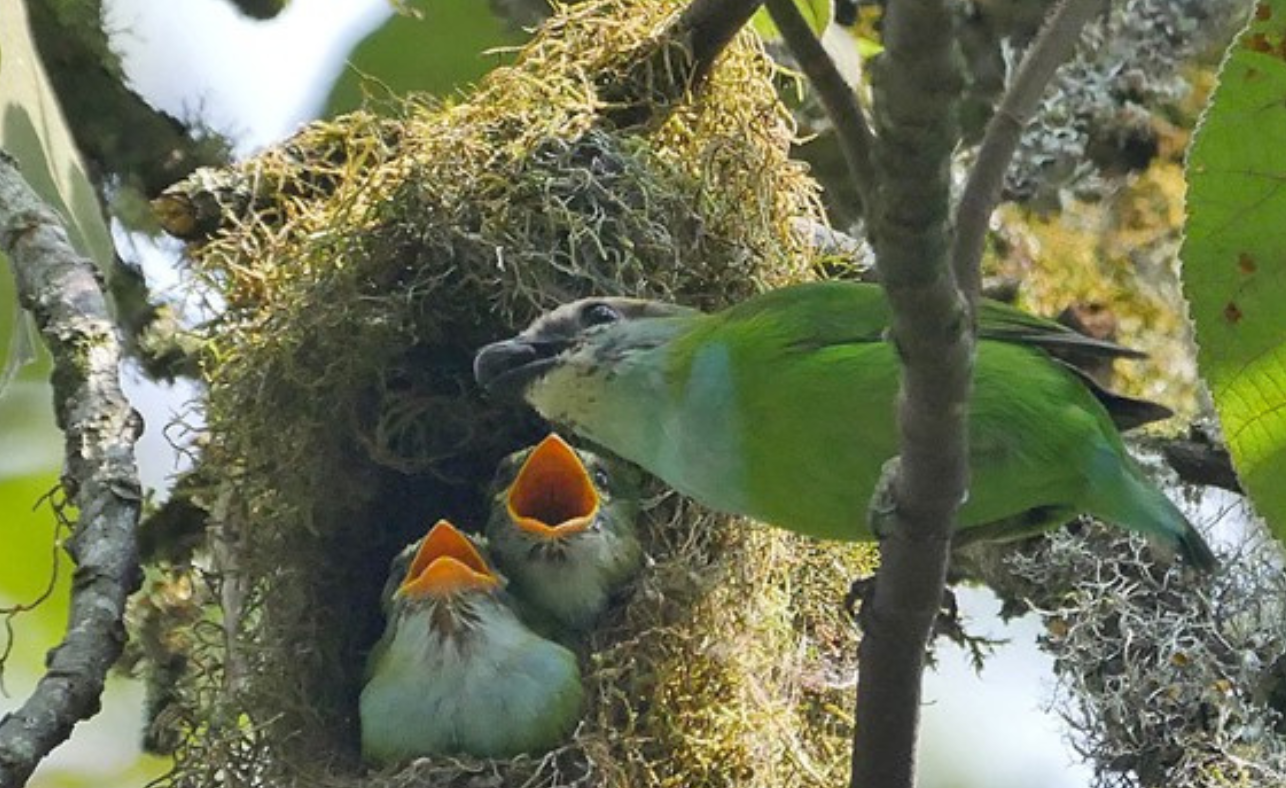
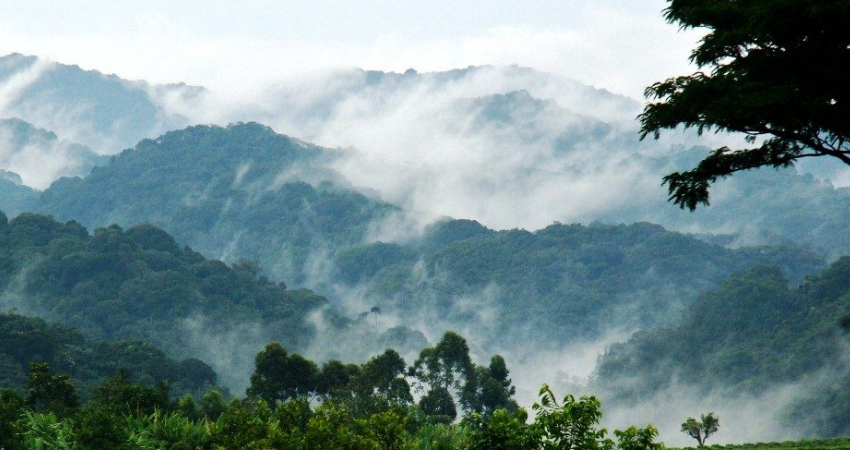
Bwindi Impenetrable National Park, located in southwestern Uganda, is renowned worldwide for its mountain gorilla trekking. The park spans over 321 square kilometers of dense rainforest. It is a UNESCO World Heritage Site and is home to nearly half of the world’s remaining mountain gorillas. The forest feels alive and timeless, with mist hanging over giant mahogany trees, bird calls echoing through the canopy, and the excitement of knowing gorillas are nearby. Trekking here is more than just sightseeing; it is a close and unforgettable encounter with one of Earth’s rarest primates. Beyond gorilla trekking, Bwindi offers a rich variety of experiences across its four sectors: Buhoma, Ruhija, Rushaga, and Nkuringo, each with unique trails and habituated gorilla families. You can embark on birding walks that reveal more than 350 species, including the rare African green broadbill, or take cultural encounters with the Batwa people, the forest’s original inhabitants, who share traditional dances and stories. Scenic hikes through waterfalls, bamboo zones, and the montane forest allow you to witness colorful butterflies, primates like black-and-white colobus monkeys, and untouched jungle landscapes. Explore community projects, enjoy forest camping, or combine treks with Lake Mutanda excursions- Bwindi gives more than gorillas—it offers an immersion into Uganda’s wilderness and heritage

Location & Accessibility

Bwindi lies along the edge of the Great Rift Valley in Kanungu, Kisoro, and Kabale districts. By road, it’s about a 9–10 hour journey from Kampala/Entebbe, passing through scenic countryside and towns like Mbarara and Kabale. Many visitors break the journey with a stopover at Lake Mburo National Park. For quicker access, domestic flights land at Kihihi or Kisoro airstrips, followed by a short drive to the park’s trekking sectors.

History & Background

Bwindi’s rainforest is estimated to be over 25,000 years old, making it one of Africa’s most ancient ecosystems. It was gazetted as a national park in 1991 to protect its endangered species, especially gorillas that were once under threat from poaching and habitat loss. The forest is also the ancestral home of the Batwa pygmies, hunter-gatherers who lived in harmony with nature for centuries. Today, visitors can experience their traditions through cultural tours around the park.

Wildlife Attractions in Bwindi Impenetrable National Park

Bwindi is most famous for its gorillas, but it also shelters over 120 mammal species, including rare forest elephants, duikers, giant forest hogs, and several primates such as black-and-white colobus monkeys, L’Hoest’s monkeys, and olive baboons. The park is equally rich in smaller wonders, chameleons, tree frogs, and over 200 butterfly species that bring the forest floor to life. Birdlife is exceptional, with more than 350 recorded species, including 23 Albertine Rift endemics like the African Green Broadbill, Shelley’s Crimsonwing, Handsome Francolin, and Red-throated Alethe, making it a premier birding destination in Africa. The forest itself is a living attraction, with its dense, tangled vegetation giving way to giant mahoganies, clear mountain streams, hidden waterfalls, and fern-lined trails that create a magical wilderness setting.

Activities & wildlife Experience in Bwindi Impenetrable National Park

Gorilla Trekking in Bwindi Impenetrable National Park

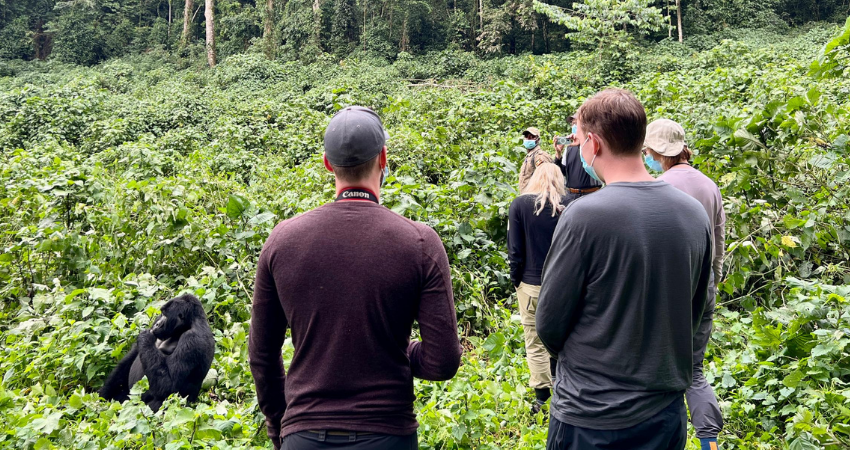
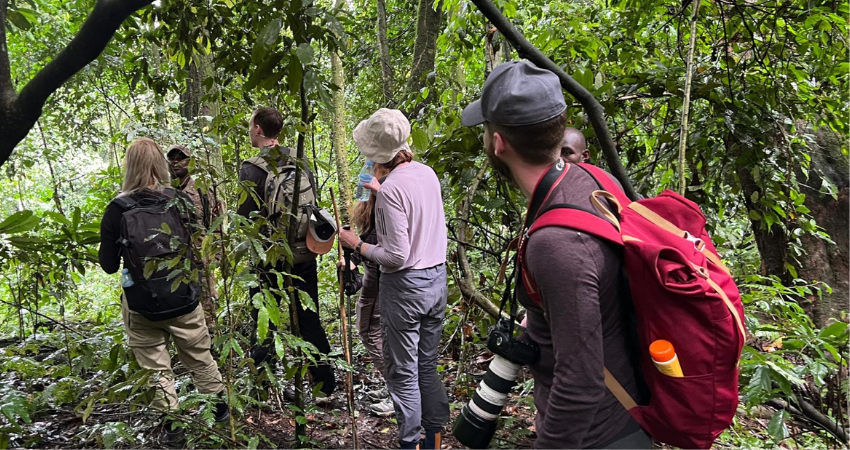
The highlight of Bwindi is meeting a gorilla family up close in their natural habitat, a rare wildlife experience found in very few places on Earth. Trekking begins early morning with a briefing by Uganda Wildlife Authority rangers at one of the four trailheads: Buhoma in the north, Ruhija in the east, Rushaga in the south, and Nkuringo in the southwest. Each sector is home to several habituated gorilla groups, meaning families that are accustomed to limited human presence. The treks vary in difficulty, lasting anywhere from 2 to 6 hours depending on the gorillas’ movements through the dense jungle. The journey itself is immersive, taking you through tangled vines, bamboo zones, mist-covered ridges, and valleys alive with bird calls and primates. Once you locate the gorillas, watch a dominant silverback guard his group, juveniles tumbling and swinging in playful mischief, and mothers cradling their infants with tender human-like care. Trekkers often describe the experience as deeply moving, a connection that blurs the line between observer and wild nature. With only about 1,000 mountain gorillas left in the world, half of which live in Bwindi, this is not just a safari activity but a conservation success story and a once-in-a-lifetime adventure.

Gorilla Habituation Experience in Bwindi Impenetrable

In Bwindi, you can go beyond the standard trek and join researchers for the Gorilla Habituation Experience. Unlike the usual one-hour visit, this adventure allows you to spend up to four unforgettable hours with a semi-habituated gorilla family, observing their behavior, learning conservation efforts firsthand, and witnessing the gradual process of gorillas becoming comfortable with human presence. What sets the Gorilla Habituation Experience apart is the depth of time and interaction you enjoy. Instead of just an hour, you spend four immersive hours alongside rangers, trackers, and conservationists, giving you a behind-the-scenes view of gorilla research. You don’t just watch, you actively witness gorillas gradually becoming accustomed to humans, observing their raw, natural behaviors without rush.

Birdwatching in Uganda- Birding Safaris in Bwindi

Bwindi Impenetrable National Park is a paradise for birdwatchers, home to more than 350 species, including 23 Albertine Rift endemics that are hard to find anywhere else. Walking along the misty trails, you might catch a glimpse of Grauer’s Broadbill, Shelley’s Crimsonwing, or Dusky Crimsonwing moving through the trees. You can also look out for the Handsome Francolin, Red-faced Woodland Warbler, and Black-billed Turaco, making each trip memorable. Birding safaris run all year, guided by experts who know where to find even the shyest birds. The Ruhija sector is especially popular, and trails like Mubwindi Swamp give you a chance to see both forest and high-altitude species in one walk. Whether you’re an avid birder or just love nature, Bwindi’s birds make every hike special.

Cultural Encounters in Bwindi

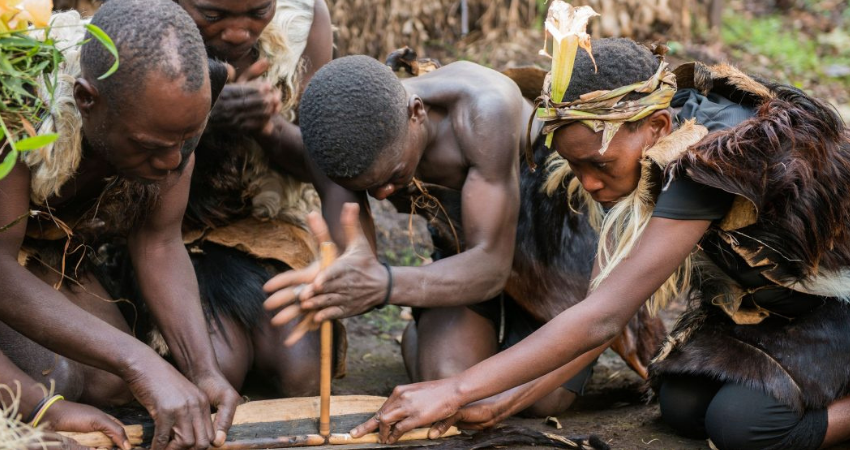
Bwindi offers rich cultural experiences that let you connect with the people who have long called this forest home. On the Batwa Cultural Trail, you walk with Batwa guides who share ancient traditions such as fire-making, honey harvesting, hunting techniques, and herbal medicine that sustained them for centuries. In Buhoma, community initiatives like Ride 4 a Woman welcome you to join storytelling evenings, traditional dance, and craft workshops, where you can learn basket weaving or fabric-making while directly supporting local women. These encounters go beyond tourism—they give you a deeper understanding of Bwindi’s human heritage and allow your visit to make a positive impact on surrounding communities.

Nature Walks & Hiking Trails

Bwindi’s trails reveal the forest’s hidden beauty beyond gorilla trekking. In Buhoma, the Waterfall Trail is a short, scenic hike leading you through towering trees and colorful butterflies to three cascading waterfalls tucked deep in the jungle. The Ivy River Trail connects Nkuringo and Buhoma sectors on a full-day hike, passing bamboo stretches, ridges with sweeping views, and remote villages where you glimpse local life. In Ruhija, the trail to Mubwindi Swamp is a birder’s dream, offering sightings of Albertine Rift endemics while opening up breathtaking vistas across the Rift Valley. Each trail immerses you in Bwindi’s wild heart, combining natural wonders with cultural encounters.

Best Time to Visit

The dry seasons from June to August and December to February are the most popular times to visit Bwindi. Trails are less slippery, visibility is clearer, and gorilla trekking becomes easier and more predictable. These months also offer brighter skies for photography and comfortable conditions for long hikes.

During the rainy seasons of March to May and September to November, trekking is more challenging with muddy trails, but the forest transforms into its lushest state. Waterfalls flow strongly, birdlife is at its peak, and the fewer crowds make for a more intimate experience. For dedicated birdwatchers, this is the best time to visit.

Why Visit Bwindi?

Bwindi offers a safari experience unlike any other, combining rare wildlife, stunning landscapes, and rich culture. Home to nearly half of the world’s mountain gorillas, it allows you to trek dense rainforest and observe these gentle giants up close. Beyond gorillas, the park hosts over 120 mammals, 350+ bird species, and diverse plant life. Its four sectors; Buhoma, Ruhija, Rushaga, and Nkuringo, feature waterfalls, bamboo zones, and ridges with breathtaking views. Bwindi also provides cultural encounters with the Batwa people, making your visit both adventurous and meaningful. A safari here is truly immersive and unforgettable.

Travel Tips & Essentials when Visiting Bwindi Impenetrable

When planning your trip to Bwindi, it is important to prepare well for both the treks and the forest environment. Always book your gorilla trekking permit in advance through a trusted tour operator, as permits are limited and highly sought after. Pack sturdy, waterproof hiking boots, a rain jacket, and layered clothing since the forest is often wet and temperatures can shift quickly with altitude. A good pair of gloves will help you grip vines and branches during treks, while insect repellent and sunscreen are essential for protection. Hiring a local porter is highly recommended, not only to help carry your daypack but also as a way of supporting community livelihoods. Don’t forget a refillable water bottle, energy snacks, and binoculars for spotting birds and primates along the way. Photography is allowed, but flash is strictly prohibited around gorillas, so carry a camera with good low-light capability. Finally, keep in mind that Bwindi is remote, carry some cash for community purchases, be patient with limited internet, and most importantly, respect the guidelines set by rangers to ensure both your safety and the well-being of the gorillas.

Accommodation in Bwindi Impenetrable National Park

Budget

Buhoma Community Rest Camp: A community-run camp offering simple bandas, dormitories, and camping grounds right at Buhoma sector. It’s affordable, friendly, and directly supports local conservation and development projects, making your stay impactful as well as practical.

Nshongi Camp (Rushaga): Located near the Nshongi gorilla group’s trailhead in Rushaga, this camp offers basic but comfortable bandas and tents. It’s surrounded by forest and streams, giving you a close-to-nature experience at a budget-friendly price.

Mid-range

Ichumbi Gorilla Lodge (Rushaga): Just minutes from Rushaga trailhead, this lodge offers modern, comfortable cottages with private balconies overlooking rolling hills. It’s a practical choice for trekkers, combining affordability with excellent meals, warm hospitality, and easy access to gorilla trekking starting points.

Gorilla Mist Camp (Ruhija): A cozy mid-range option in Ruhija sector, surrounded by dense forest and misty ridges. The camp has spacious cottages, hot showers, and hearty meals. Its location makes it ideal for birdwatchers and those trekking gorilla families in Ruhija.

Luxury

Clouds Mountain Gorilla Lodge (Nkuringo): Perched high above Nkuringo sector, this lodge offers sweeping views of the Virunga Volcanoes and the Rift Valley. You stay in spacious stone cottages with fireplaces, private butler service, and gourmet dining. It combines luxury with exclusivity, perfect after a challenging trek.

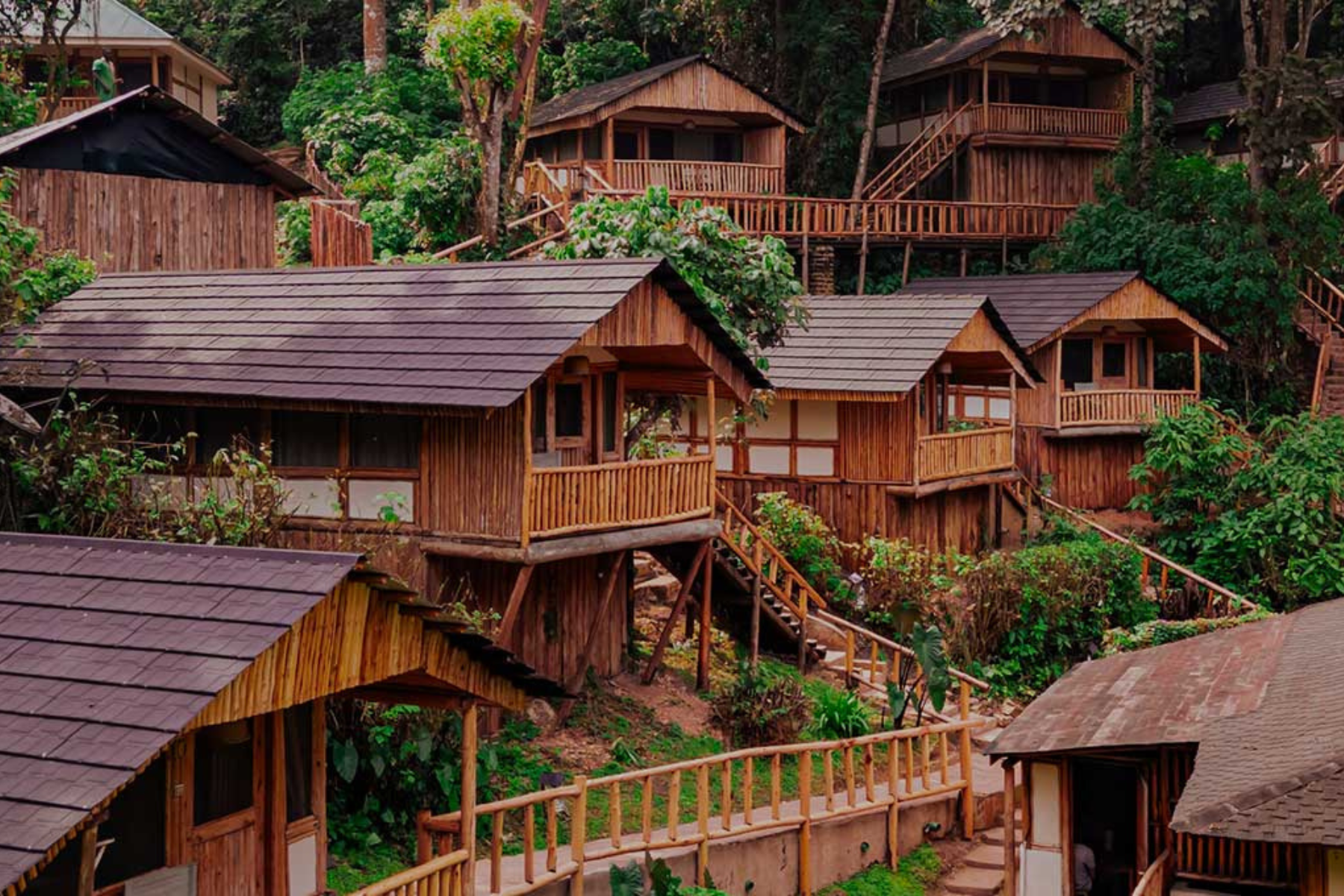
Bwindi Lodge (Buhoma): Nestled on the edge of the forest in Buhoma, this eco-luxury lodge blends comfort with conservation. Its bandas overlook the jungle canopy, and you can hear birds and primates from your verandah. The lodge is known for its stylish design, attentive service, and strong community initiatives.

 

Book Now

Name

Related wildlife Tours

Scroll to Top

Director/Sales & Marketing: Tusiime Cheryl Myra

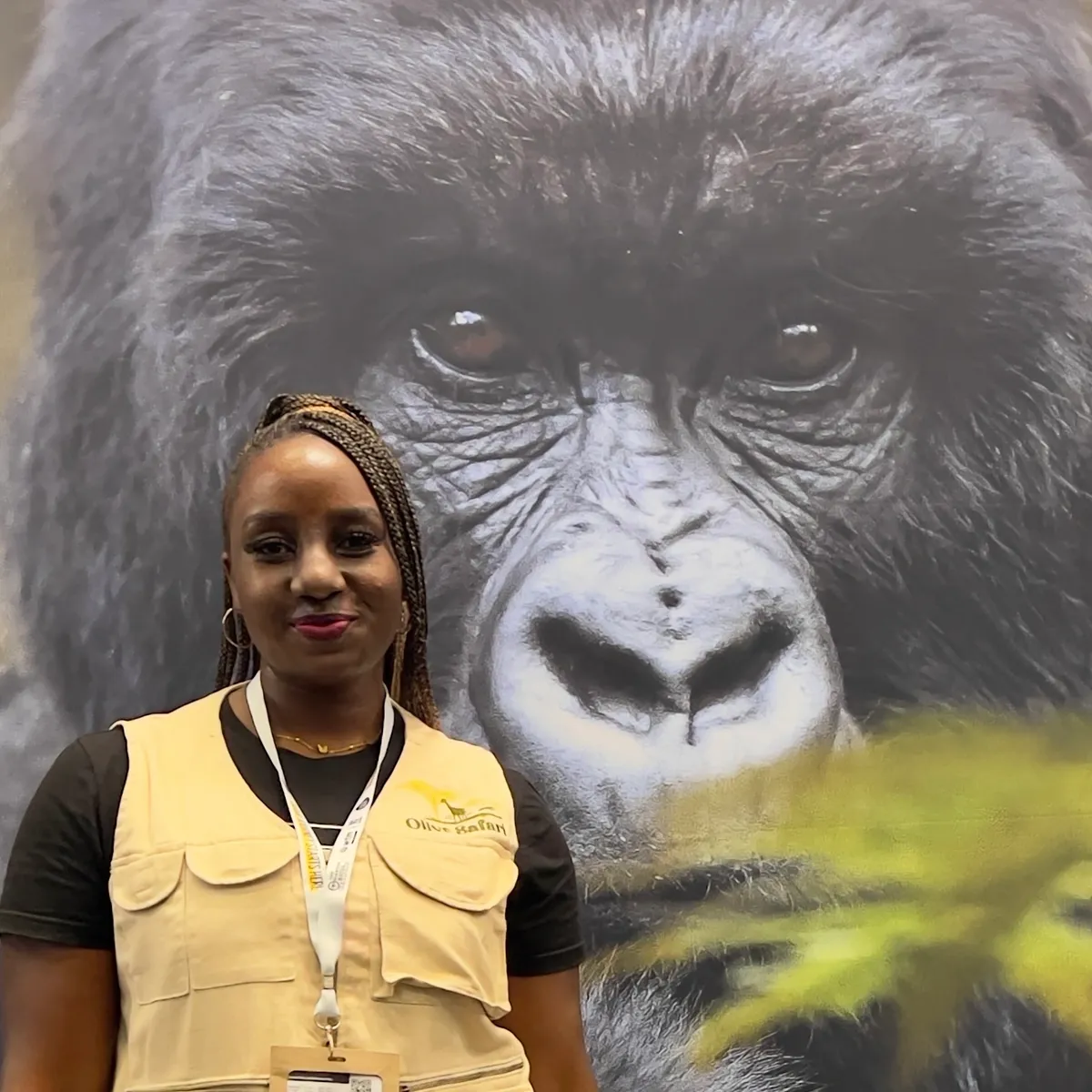
Cheryl, the eldest daughter of Olive, has embraced the responsibility of carrying forward her mother’s legacy with resilience and determination. After losing her father at the age of six, she was raised by her mother, Olive, with the support of Christer. Olive’s passing in 2017, when Cheryl was just 19, became a defining moment in her journey.

Having been involved in the foundations of Sunset Hotel Entebbe and Olive Safari Uganda from a young age, Cheryl stepped up to manage the businesses alongside Christer. Under his mentorship, she navigated the complexities of entrepreneurship and discovered her passion for tourism.

With a Master’s degree in Business Administration and hands-on leadership, Cheryl has been instrumental in maintaining loyal clientele at Sunset Hotel Entebbe, adapting it to post-COVID standards, and expanding Olive Safari Uganda. As a certified tour guide for Uganda, Tanzania and Zanzibar, she remains committed to upholding her mother’s vision of exceptional service and unforgettable travel experiences.

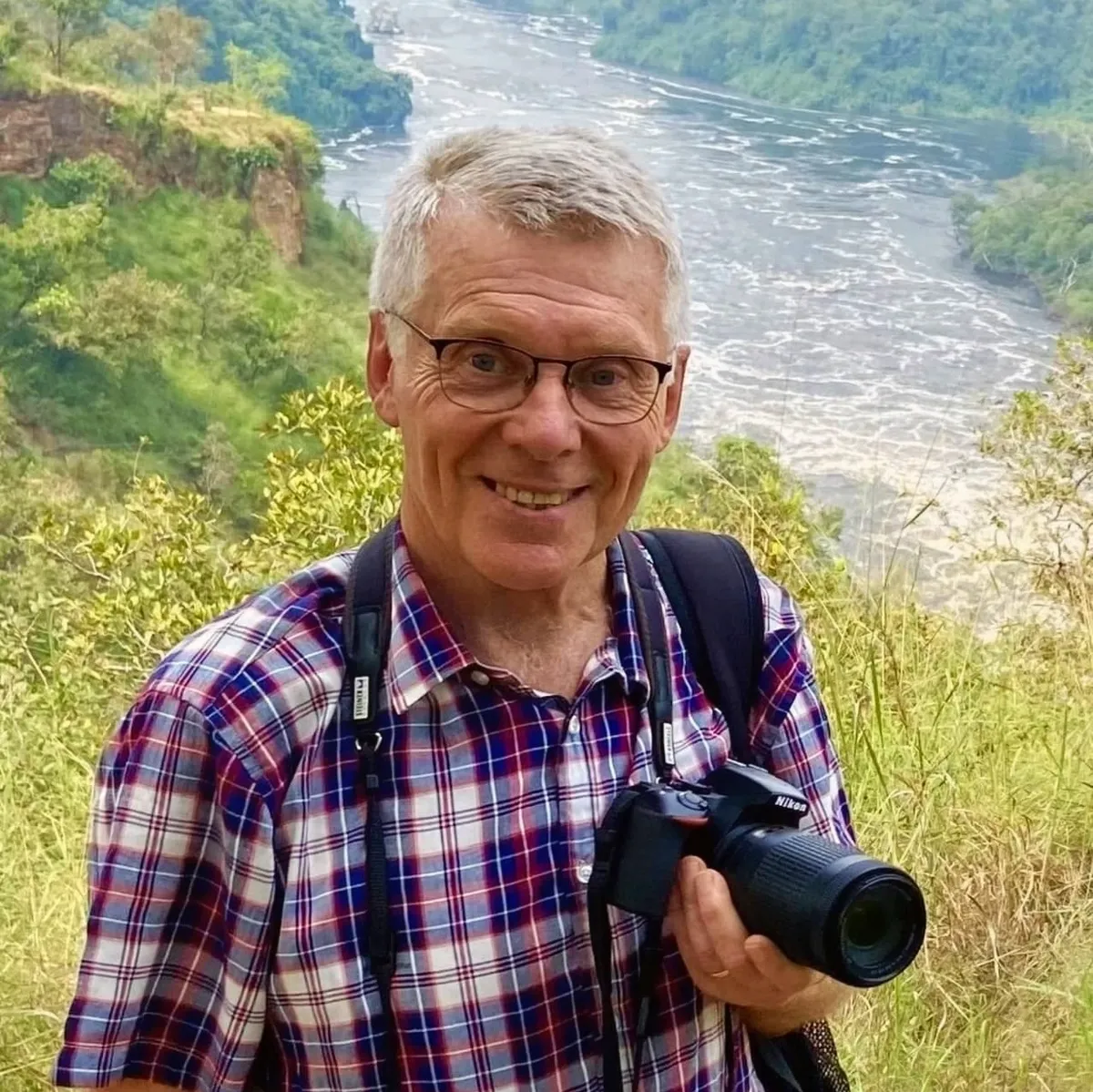
Founder & CEO: Christer Torstensson

Christer, a Swedish education consultant with over 40 years of experience guiding travelers across Africa, co-founded Olive Safari Uganda with a deep passion for the continent’s wonders. His extensive journeying, particularly through Zimbabwe, Uganda, Tanzania, and Kenya, enriched his understanding of Africa’s landscapes and cultures. As a consultant, he also contributed to education and development, notably establishing an automotive school in Zimbabwe. His work with the Global Journey program brought him to Uganda, where he collaborated with municipalities and fell in love with the country’s heritage.

During this time, he met Olive, whose exceptional leadership and organizational skills later turned their professional relationship into a personal one. Their shared vision led to the creation of Olive Safari Uganda in the early 2000s, followed later by Sunset Hotel Entebbe. While Christer split his time in Sweden managing the Global Journey program, Olive oversaw daily operations. Today, Olive Safari Uganda embodies Christer’s seasoned expertise as a guide and strategic insight, paired with Olive’s dedication, delivering outstanding safaris that showcase Uganda’s beauty and beyond.

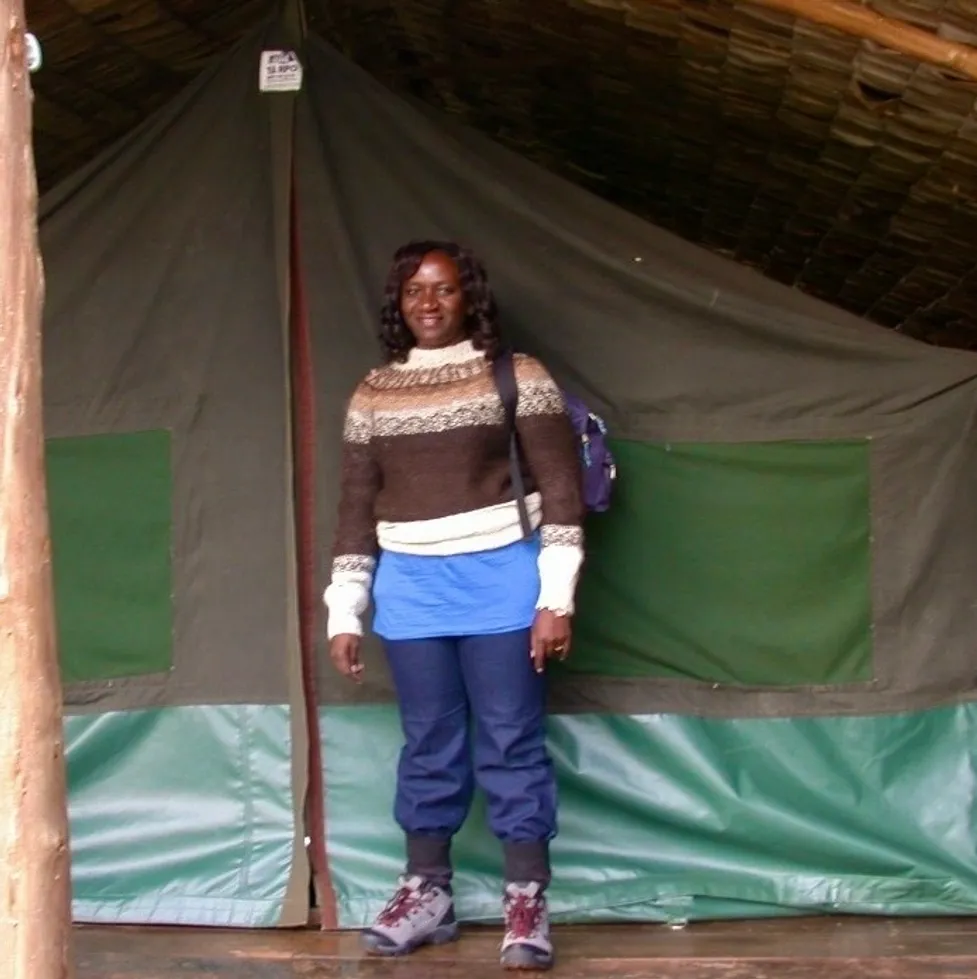
Founder & CEO: Ayebale Olive

Ayebale Olive, co-founder of Olive Safari Uganda, brought over 20 years of community service experience into the world of tourism. As secretary to Entebbe’s Mayor, she honed her skills in program management and international partnerships, playing a key role in the Global Journey program that linked Uganda and Sweden.

It was through this program that she met Christer—three years after the passing of her first husband, while raising three children. United by a shared passion for travel and discovery, they founded Olive Safari Uganda in the early 2000s. Their commitment to exceptional service quickly set the company apart.

As demand grew, they expanded their vision by establishing Sunset Hotel Entebbe, creating a welcoming space for travelers exploring Uganda. Olive’s legacy lives on, shaping the company’s dedication to authentic and unforgettable safari experiences