Wildlife Safari Experience in Lake Mburo National Park

Lake Mburo National Park – Uganda’s Wildlife Safari on Foot and Horseback

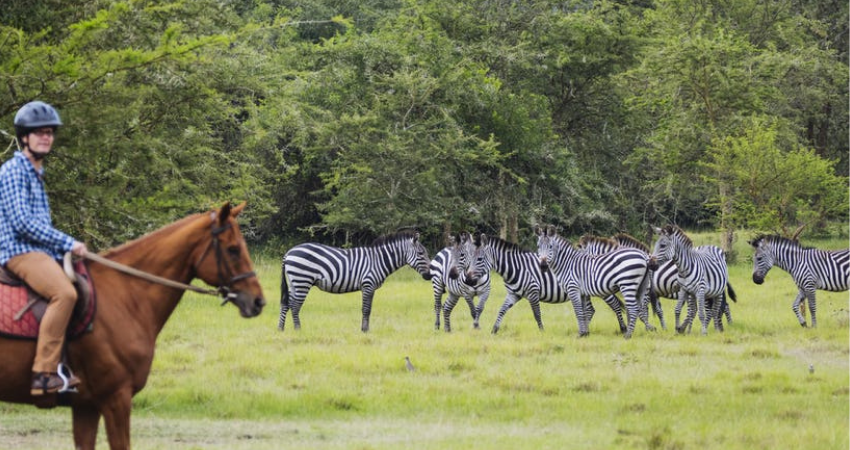
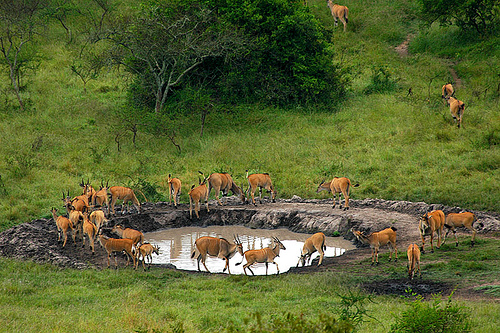
When I visited Lake Mburo National Park for the first time, I was instantly smitten by how cozy and approachable this park felt in comparison to Uganda’s vast savannah parks. Impalas leaped elegantly across the grasslands as we zoomed through the winding tracks, and herds of Burchell’s zebra paced gently across the open plains. It made for quite a spectacle to watch the elands, all 8 to 9 hundred pounds of the largest of all antelopes in Africa, gracefully stride through the acacia woodland, while nearby Rothschild’s giraffes delicately munch on the top of trees. And unlike other parks, Lake Mburo offers you the opportunity to stretch your legs and go on a walking safari accompanied by an armed ranger. Whispering as we walked on foot and watching warthogs shoot by us, or stopping mere yards from a herd of impalas, was a thrilling and humbling experience that made me feel like I was one with the wilderness.
What makes Lake Mburo even more interesting, in addition to its varied landscapes, are the opportunities to spot animals in and around its system of lakes and swamps. Taking a boat trip on Lake Mburo itself, I was surrounded by yawning hippos and basking crocodiles, while kingfishers and African fish eagles hunted on the shoreline. As we reached 5 p.m., the hills became a golden brown and were scattered with a few acacia trees and silhouettes of grazing animals; it was picture-perfect in every direction. The smaller size of the park meant that we saw wildlife regularly and with less time wasted driving between sightings, it was more personal and rewarding. Leaving, I understood that Lake Mburo is not just a stopover between Kampala and the gorilla trekking areas in the west, it’s a destination of its own, home to a safari experience that seems both wild and intimately personal.

Location & Accessibility

It is 4–5 hour drive from Kampala, approximately 240 kilometres (150 mi) north west of the city with an ordinary sedan, following the Masaka–Mbarara highway. It is close to the town of Kabale and one of the shortest distances away from it, Wonoma, is accessible by car. The main entrance or gateway to the park is at Sanga Gate near Lyantonde, but the Nshara Gate near Rwonyo is close to park headquarters. As it’s located on the route to Bwindi, Mgahinga and Queen Elizabeth National Parks, it is usually added to multi-day safaris.

History & Background

Lake Mburo was first established as a controlled hunting area in 1933, and in 1963, it was upgraded and designated as a game reserve. It was nationalized in 1983 to save its original savannah ecosystem. The region was first occupied by the Banyankole Bahima pastoral who grazed their cattle within the park lands. Today, it is a conservation and tourism center that strives to preserve wildlife while incorporating a sense of community.

Wildlife Attractions in Lake Mburo National Park

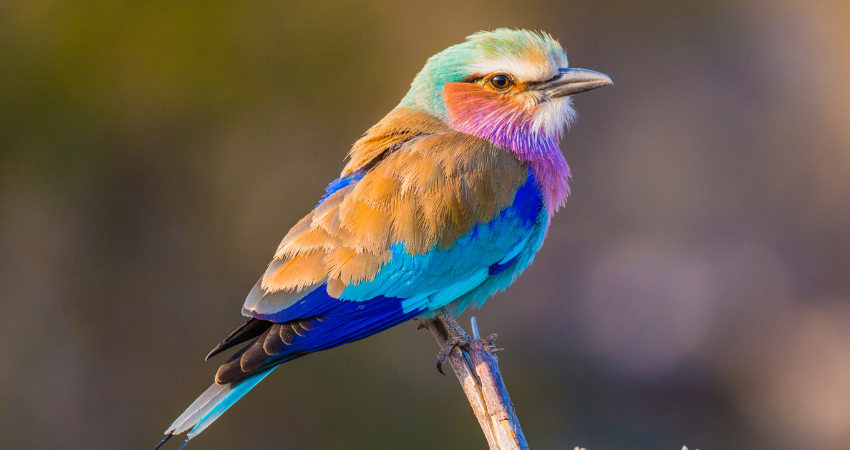
Lake Mburo is Uganda’s smallest savannah park but gives a combined feel of variety and personal contact. The park inhabits more than 68 mammal species including a vast population of impalas (not found in any other Ugandan park), as well as zebras, eland, topi, defassa waterbuck and the recently re-introduced Rothschild’s giraffe. Hippos bathe in the park’s lakes and crocodiles lie along its banks. Predators, including leopards, hyenas, and side-striped jackals, wander the savannah, but they are frequently hidden and are seen best during night drives. This mix of grazers and carnivores makes for the classic safari scenario, but on a more human scale than in Uganda’s bigger national parks. The park is a haven for birds, with over 315 species at home in its colorful mosaic of savannah, woodland, and wetland habitats. Highlights include the rare and elusive African finfoot, regularly spotted on boat trips, the shoebill stork in the swamps and colorful species such as the lilac-breasted roller, Ross’s turaco and red-faced barbet. The scenery is an attraction in itself: rolling hills cloaked in acacia woodland, a pair of beautiful blue lakes, and wide-open savannah dotted with tens of thousands of animals… a worthy addition to any tour of Uganda and easily combined with our chimpanzee and gorilla treks.

Activities & wildlife Experience in Lake Mburo National Park

Horseback Safaris in Lake Mburo National Park

It is the only park in Uganda where horse riding has been imposed, and a HORSE BACK SAFARI in Lake Mburo is another of the exciting activities where you truly feel, see and experience the park. Riders can get up close to wildlife without scaring the animals and are able to get much closer than on traditional game drives. You could be cantering alongside zebra, impalas, tope and eland with giraffes feeding on acacia trees in the background. This quiet method generally can result in less disturbance to animals and a more authentic wildlife encounter. Riding safaris at Lake Mburo are designed for novices and those with some riding experience. First-time riders can take short rides of one or two hours; more experienced equestrians explore longer trails that traverse farther reaches of the park’s eclectic environments. For the true romp, full multi-hour or half-day rides are offered, and often a hilltop is involved, offering ravishing views of the park and its quintet of lakes. They appeal to photographers and adrenaline junkies looking for an outside of the box view of Uganda’s wildlife. The wildlife) certainly makes for a once in a lifetime horseback safari experience that you can only experience here in Lake Mburo National Park!

Game drives in Lake Mburo NP

The best time for game drives at Lake Mburo National Park is during early morning hours or late afternoon when the animals are most active. The park’s rolling savannah and isolated acacia woodlands offer an ideal and wide-open setting for game spotting. It is a place where you can see numerous herds of zebras, waders impalas, and trees giraffes and big eland feeding. Buffalo tend to travel in herds across the plains, and with any luck, you’ll come across warthogs scuttling between the bushes or hippos returning from their nightly feed.

Due to the comparative small size of Lake Mburo compared with other Uganda’s parks, chances of really getting close to and animals are much higher providing visitors a more intimate type of safari. You can also embark on game drives in either the northern or southern sections of the park, which each promise different landscapes and densities of wildlife. Photographers love the golden light in the evenings, which adds dramatic colors to the savannah and make the park’s colorful game trees and wildlife pop.

Birdwatching in Uganda- Birding Safaris in Lake Mburo

Lake Mburo National Park is another great place for birding fanatics in Uganda with its truly mosaic habitat of open savannah, acacia woods, swamp, and rocky outcrops, providing a remarkable birding experience. With more than 350 species of birds on record, the park is really a dream come true for avid bird watchers as well as the everyday wildlife enthusiast. From source to Lake Partners, the wetlands and lake shores are inhabited by rare and sought after species like the African finfoot, papyrus gonolek and white-winged warbler. In a morning’s bird walk, on most mornings, it is good to see the wonderful African fish Eagle calling the fish above the lake and malachite kingfishers darting like a ball of adrenaline above the surface of the lake. Ross’s turaco, with its brilliant green and red plumage, can often be seen zipping through the tree canopy, while lilac-breasted rollers provide shocks of color to the savanna.

The park’s papyrus swamps are especially rewarding, with a vast collection of water birds such as herons, storks and cormorants settled along the water edge. Rubanga Forest: this small but beautiful forest you will find 5km from Tuny lodge and here your forest birding is the emerald-spotted wood dove, green pigeon, and the most confined of Uganda’s Albertine Rift endemic bird species the yellow tilled as well as the white-thighed hornbill with like the bestplace tour and travel. We highly recommend guided birding tours since the expertise of the guide make the difference between merely spotting some of the rarer species and getting to know their behavior and a good birdwatching trip to compete with any you will find anywhere in East Africa.

Boat Cruises on Lake Mburo National Park

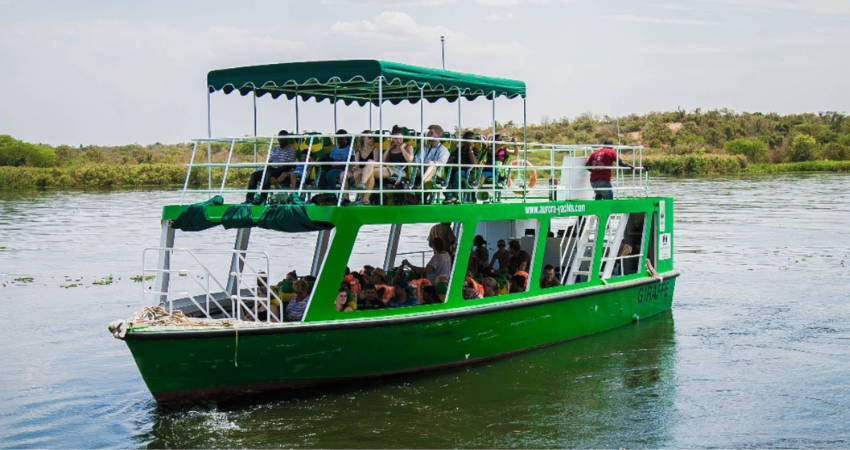
A boat trip on Lake Mburo is a real highlight of the park and provides the most relaxing method to get a feel for the aquatic systems within it. The placid waters are inhabited by pods of hippos that are seen wallowing in the shallows, and massive crocodiles, bask on the banks. Visitors can see stunning birdlife along the shore where everything from pied kingfishers hovering before dive-bombing into the water for fish, to imposing African fish eagles with their piercing calls, to the secretive African finfoot, a special sighting for birders.

Apart from the fauna, the trip there by boat was a picturesque one: hills rolling as far as the eye could see, lush vegetation reflected on the water. Herds of antelopes and buffalo come to drink and the boat frequently gets very close, so there is good viewing too. If you are a birder, lover of other wild life or indeed a lover of tranquility, the Lake Mburo game cruise offers a refreshing alternative to the game drive. It is on the list of things you must do in the park.

Fishing on Lake Mburo National Park

Fishing on Lake Mburo is a refreshing activity for visitors who wish to relax and explore what makes the park come to life! There are some fish varieties in this lake, the most caught of which is the tilapia; therefore it is perfect for beginners and experienced fishermen. Fishing is done in designated sections including Mazinga, where peaceful waters and breath-taking views of the surroundings make it an ideal way to spend an afternoon on the lakeside. Here, tourists can purchase fishing permits from the Uganda Wildlife Authority, or, if you prefer an organized experience, join a guided fishing trip. It’s more about the escapism, though; the chance of a catch is just a bonus, particularly as you float on the serene water while looking out for hippos in the water and admiring the cacophony of waterbirds around each bank. It’s a sporty yet relaxing diversion that affords glimpses once or twice a day of all that wild on the other side of the glass.

Cultural Encounters Around Lake Mburo N.P

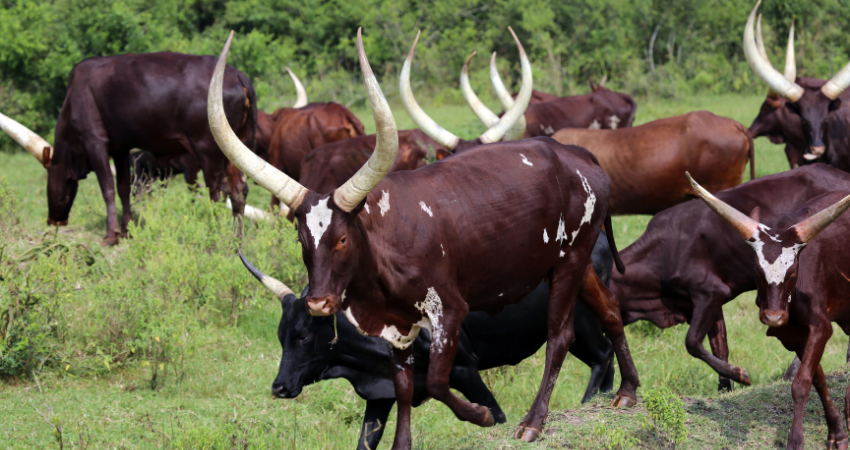
Although wildlife is the first thing, Lake Mburo National Park is known for and there is even more, the Bahima people, a cattle keepers community with famous long horned Ankoles both in the help and in history. Culture trips provide tourists a once in a lifetime opportunity to see how the Bahima live, how the Bahima believe, and how the Bahima herd cattle not only as their source of living but also as a token of their wealth, tradition, and social identit. Travellers can participate in the daily lives of local herdsmen and watch how they care for and manage these amazing creatures, including traditional grazing practices, milking and milk production. In addition to cattle-related experiences, guests are welcome to visit Bahima homesteads, watch cooking of traditional food, and listen to stories of old. Live music, dance, and storytelling represent the cultural richness of the community and brings visitors in touch with the area’s values, beliefs and relationships between people and land. The cultural experiences help piece together the puzzle of how humans live in relation to their environment and the park’s wildlife (safaris show us the final picture). By participating in encounters such as this, visitors don’t just get under the skin of the region of southwestern Uganda, but also directly participate in community tourism projects, which contribute to conservation and safeguarding of local traditions for future generations.

Rubanga Forest Walks in Lake Mburo National Park

Located on the western part of the park, Rubanga Forest is a little known jewel that provides a completely different experience from the savannah landscape and the lake shores in the rest of Lake Mburo. Though small, this diverse forest is home to over 40 species of birds, which includes the green pigeon, double-toothed barbet, harrier hawk and others, thus making it a birdwatchers’ paradise. The shaded trails of the walk expose visitors to an assortment of flora, ranging from giant fig trees and acacias, to thick underbrush teeming with butterflies and insects. You might also see monkeys tumbling through the trees, or hear the far-off cries of turacos reverberating through the canopy. The Rubanga Forest Walk is led by park rangers who offer knowledge about the ecosystem and the sanctuary to species which are associated with wooded vegetation. It is a peaceful, immersive journey that complements the larger Lake Mburo experience.

Best time to go to Lake Mburo national park

Lake Mburo National Park is accessible throughout the year, but the month of your visit can affect the outcome of your safari. Wildlife viewing is best in the dry seasons, which are June to August and December to February. In these months, the park’s water sources dry up and animals such as zebras, impalas, giraffes, elands and buffalo cluster around lakes, rivers and swamps. Early morning or late afternoon game drives offer the best opportunity to see large herds up close, when the savannah grass is short and both grazers and predators are easy to spot. The dust-dry state also makes walking safaris, horse rides and cycling tours more comfortable and easier.

During the rainy season (March to May and September to November), Lake Mburo is a picture with its lush green cover. The vegetation pops, offering stunning backgrounds for photography, and draws both migratory and resident birds, making it a birdwatcher’s dream. Lakes, swamps and wetlands are now full and are ideal environments for hippos, crocodiles and a variety of waterbirds. But some of the paths may be slick or wet, so suitable footwear and inclement-weather clothing are suggested. In the end, the season you opt to visit in depends on what your priorities are; for dry months and dense wildlife viewings, and easy navigation, or after the rains for respendent landscapes packed with birds and photographing oppurtunities.

Why Visit Lake Mburo national park?

All Rounded Lake Mburo is known as a place of intimacy and variety. Unlike the larger parks that host the predators, it provides guided and safe walking and cycling safaris. It is also the best place in Uganda to get up close to the impalas and zebras. It´s proximity to Kampala ensure that Gorilla safaris to this park can be planed to let people enjoy fresh, away from the bush freshening air due to its rich flora and fauna as well it is a perfect place after or before Gorilla trekking in Bwindi NP or Volcanoes NP in Rwanda. Of travelers desiring an active, varied itinerary, Lake Mburo has no equal.

Travel Tips & Essentials when Visiting Lake Mburo national park

Planning for a trip to Lake Mburo national park is necessary such that when you get there be sure of a safe, comfortable and memorable experience. Dress in light weight, cotton clothing and then layer with something warm like a jacket for cooler mornings and evenings, which can be very chilly on those early morning game drives or horseback safaris! A good prism binocular and a quality camera greatly enhance the wildlife and birdwatching experience making it possible to spot zebras, giraffes and park’s variety of birds up close. Good to know: Some activities (especially night drives, walking safaris and horseback rides) are extremely popular and need to be booked well in advance. The park is situated in a region which is subject to malaria, therefore insect repellent and prophylactic medicine are advised. Visitors should also factor in park entry fees, as well as the cost of guided activities. By adhering to these essentials, visitors can experience the abundance of wildlife, the cultural experiences, and the dramatic landscapes that Lake Mburo National Park offers in its entirety.

Accommodation in Lake Mburo national park


Luxury Accommodation

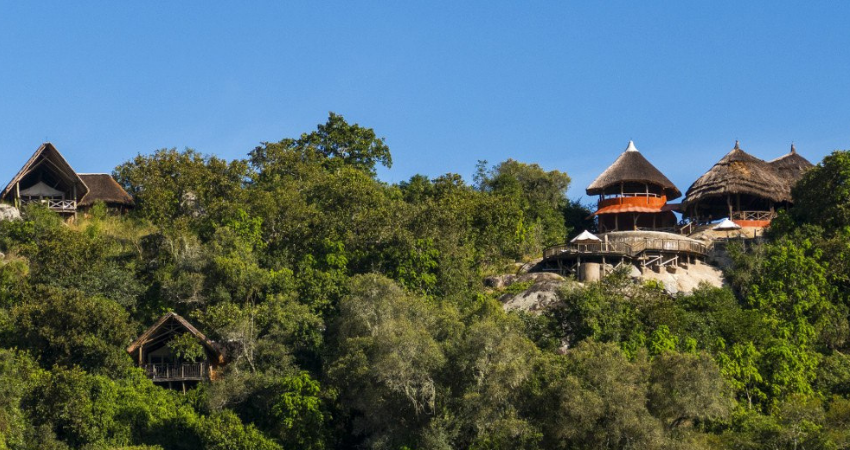
For those looking for deluxe touches, privacy and authentic experiences, Mihingo Lodge will pamper you during your stay at Lake Mburo. Perched on a hill with expansive views over the park’s rolling savannah and distant lakes, the lodge has beautifully furnished cottages with verandas that are ideal for taking in sunrise and sunset over the plains. Guests are treated to gourmet meals, individualized service and guided safaris, such as the one of a kind horseback safaris that offer serene, up-close contact with zebras, giraffe and impala. Mihingo lodge combines luxury and nature with modern services in an authentic safari atmosphere. For travellers who like a combination of adventure and comfort this lodge offers a memorable experience to explore the park and its wildlife.

Mid-Range Accommodation

Mid-range places like Rwakobo Rock Lodge and Arcadia Cottages give you the best of both worlds in terms of comfort, access and value. The lodges are located adjacent to park fences so guests can enjoy early morning game drives as well as a choice of walking safaries, boat cruises. Rooms are comfortable and spacious and come with private terraces overlooking the savannah, nearby lakes or the bush. Visitors are treated to personal service, intimate dining and fully programmed activities managed in-house. Mid-range lodges give you the opportunity to observe the wildlife and landscapes of Lake Mburo in comfort without paying top-end prices of exclusive lodges and are perfect for couples or small groups or families wishing a quality safari experience.

Budget Accommodation

Budget visitors are also well catered for thanks to a selection of places to stay such as Eagles’ Nest and Leopard Rest Camp, which although clean, comfortable and relatively inexpensive, allow access to the park’s prime sights. Perfect for those who like to experience a stay closer to nature, the rooms are basic but comfortable, the facilities are shared, with friendly, helpful staff. At the park gates, the Uganda Wildlife Authority (UWA) offers bandas and campsites; an even more rustic option in which you can stay within walking distance of key wildlife areas – cut out the journey times for those early morning safaris or night drives. Affordable accommodations are great for travelers who prefer wildlife and outdoor adventure over high-end accommodations, and these budget options still provide an authentic safari experience without skimping on safety and convenience.

Book Now

Name

Related wildlife Tours

Scroll to Top

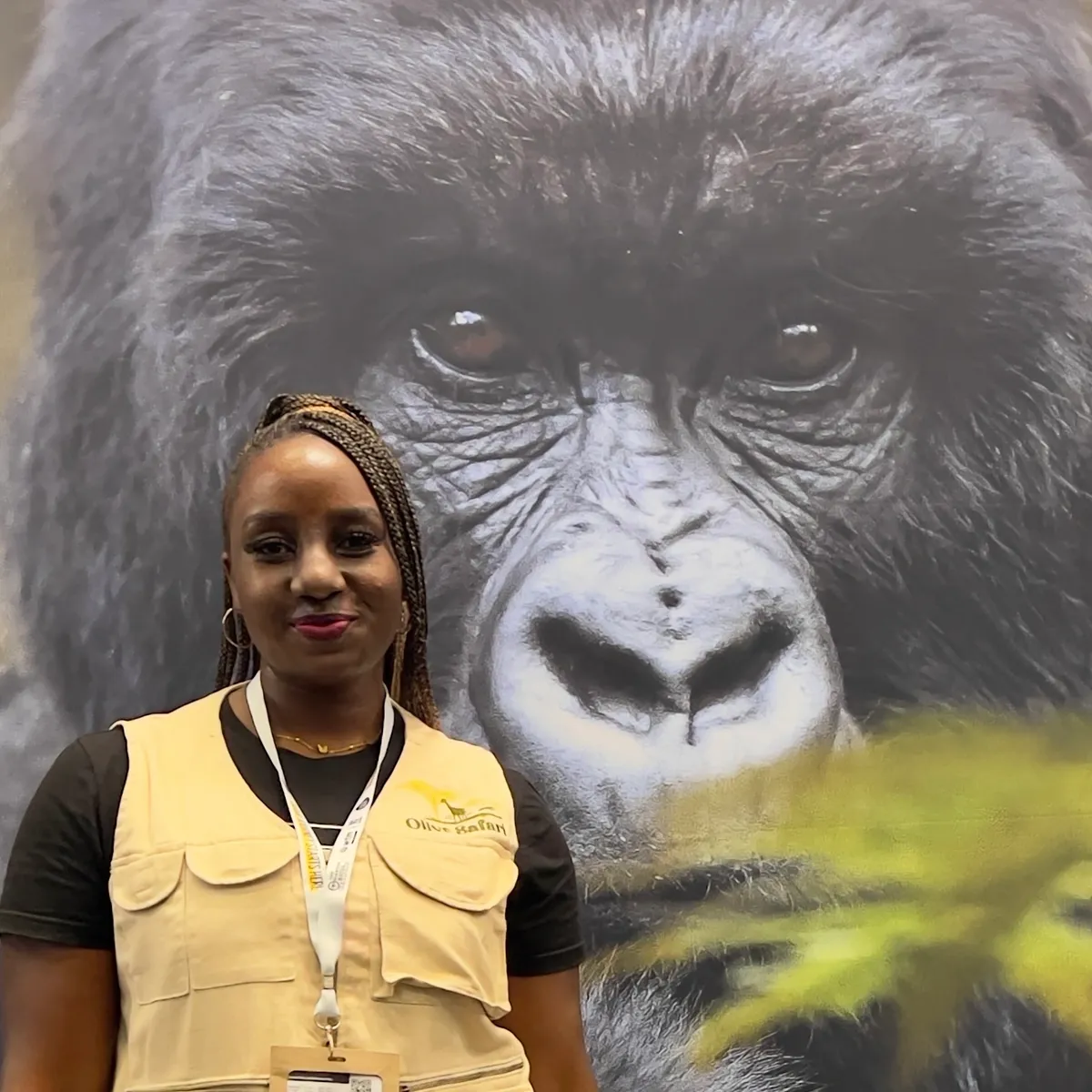
Director/Sales & Marketing: Tusiime Cheryl Myra

Cheryl, the eldest daughter of Olive, has embraced the responsibility of carrying forward her mother’s legacy with resilience and determination. After losing her father at the age of six, she was raised by her mother, Olive, with the support of Christer. Olive’s passing in 2017, when Cheryl was just 19, became a defining moment in her journey.

Having been involved in the foundations of Sunset Hotel Entebbe and Olive Safari Uganda from a young age, Cheryl stepped up to manage the businesses alongside Christer. Under his mentorship, she navigated the complexities of entrepreneurship and discovered her passion for tourism.

With a Master’s degree in Business Administration and hands-on leadership, Cheryl has been instrumental in maintaining loyal clientele at Sunset Hotel Entebbe, adapting it to post-COVID standards, and expanding Olive Safari Uganda. As a certified tour guide for Uganda, Tanzania and Zanzibar, she remains committed to upholding her mother’s vision of exceptional service and unforgettable travel experiences.

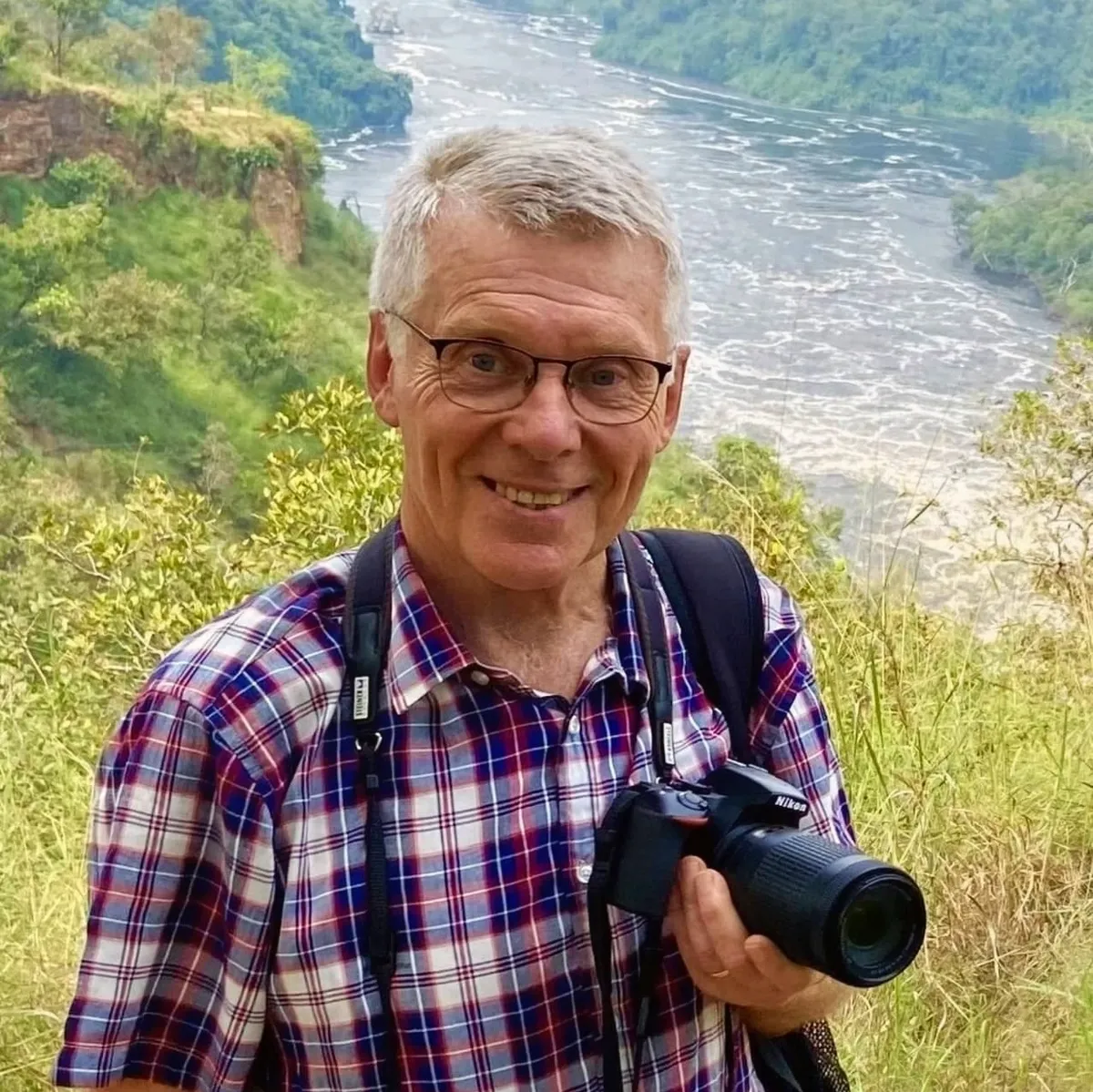
Founder & CEO: Christer Torstensson

Christer, a Swedish education consultant with over 40 years of experience guiding travelers across Africa, co-founded Olive Safari Uganda with a deep passion for the continent’s wonders. His extensive journeying, particularly through Zimbabwe, Uganda, Tanzania, and Kenya, enriched his understanding of Africa’s landscapes and cultures. As a consultant, he also contributed to education and development, notably establishing an automotive school in Zimbabwe. His work with the Global Journey program brought him to Uganda, where he collaborated with municipalities and fell in love with the country’s heritage.

During this time, he met Olive, whose exceptional leadership and organizational skills later turned their professional relationship into a personal one. Their shared vision led to the creation of Olive Safari Uganda in the early 2000s, followed later by Sunset Hotel Entebbe. While Christer split his time in Sweden managing the Global Journey program, Olive oversaw daily operations. Today, Olive Safari Uganda embodies Christer’s seasoned expertise as a guide and strategic insight, paired with Olive’s dedication, delivering outstanding safaris that showcase Uganda’s beauty and beyond.

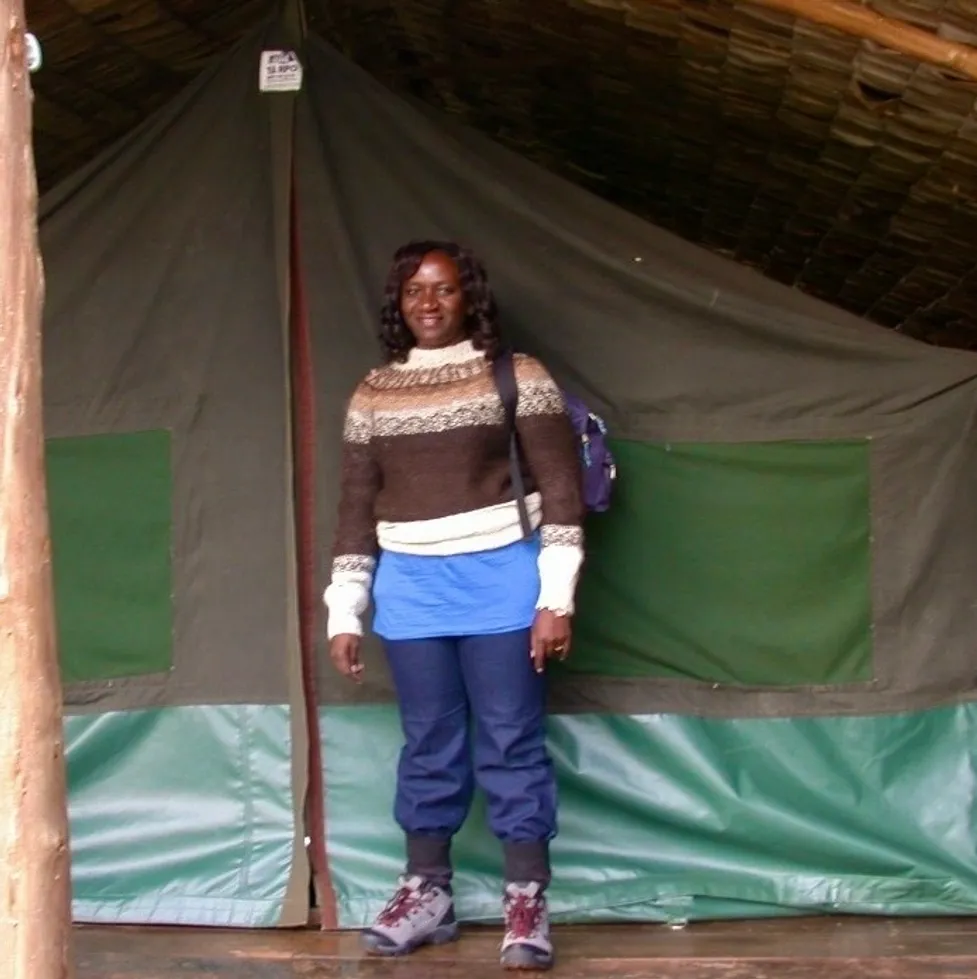
Founder & CEO: Ayebale Olive

Ayebale Olive, co-founder of Olive Safari Uganda, brought over 20 years of community service experience into the world of tourism. As secretary to Entebbe’s Mayor, she honed her skills in program management and international partnerships, playing a key role in the Global Journey program that linked Uganda and Sweden.

It was through this program that she met Christer—three years after the passing of her first husband, while raising three children. United by a shared passion for travel and discovery, they founded Olive Safari Uganda in the early 2000s. Their commitment to exceptional service quickly set the company apart.

As demand grew, they expanded their vision by establishing Sunset Hotel Entebbe, creating a welcoming space for travelers exploring Uganda. Olive’s legacy lives on, shaping the company’s dedication to authentic and unforgettable safari experiences