kidepo Valley National Park

Kidepo Valley National Park – The Untamed Wilderness of Uganda

Hidden in Uganda’s far northeastern corner, Kidepo Valley N.P. is a raw and breathtaking wilderness where rugged savannas meet distant mountains and untamed wildlife roams freely. Spanning 1,442 square kilometers, the park is often described as Uganda’s most isolated yet most magnificent safari destination. Its sweeping landscapes stretch endlessly beneath vast blue skies, with the Narus and Kidepo Valleys serving as lifelines for the park’s diverse ecosystem. Visitors are greeted by a remarkable sense of solitude and authenticity, offering one of Africa’s purest safari experiences far from the crowds.

Kidepo is home to over 77 mammal species and 475 bird species, including animals found nowhere else in Uganda, such as cheetahs, ostriches, and the striped hyena. The park’s striking beauty is enhanced by the dramatic Morungole Mountains, rolling hills, and acacia woodlands that change color with the seasons. Beyond wildlife, Kidepo offers a deep cultural richness through interactions with the Karamojong and Ik communities, whose traditional lifestyles reflect a centuries-old harmony with nature. Whether it’s the sound of roaring lions echoing across the valley or the golden light of sunset over the savannah, Kidepo Valley National Park embodies the untamed spirit of Africa.

Location & Accessibility

Located in the Karamoja region of northeastern Uganda, along the borders of South Sudan and Kenya. The park covers approximately 1,442 square kilometers of rugged savannah and mountain terrain, set between the Narus and Kidepo Valleys at altitudes ranging from 900 to 2,750 meters above sea level.

Despite its remote location, Kidepo can be reached both by road and air. The journey by road from Kampala takes about 10–12 hours, passing through scenic countryside and traditional Karimojong homesteads via routes such as Kampala–Gulu–Kitgum–Kaabong–Kidepo or Kampala–Mbale–Moroto–Kaabong–Kidepo. For a faster and more comfortable option, visitors can take charter or scheduled flights from Entebbe International Airport or Kajjansi Airstrip to Apoka Airstrip, located inside the park. The park’s remoteness is part of its charm, rewarding travelers with an exclusive and unspoiled wilderness experience.

History & Background

Kidepo Valley National Park was officially gazetted in 1962, just before Uganda gained independence, to protect the rich wildlife and unique ecosystems of the northeastern Karamoja region. Originally inhabited by the Dodoth and Ik communities, the area was set aside as a wildlife reserve in the 1950s and later elevated to national park status due to its exceptional biodiversity. Over time, Kidepo has earned a reputation as Uganda’s most remote and untouched safari destination, offering visitors an authentic glimpse into Africa’s wilderness as it once was, vast, wild, and teeming with life..

Wildlife Attractions in Kidepo Valley National Park

Bwindi is most famous for its gorillas, but it also shelters over 120 mammal species, including rare forest elephants, duikers, giant forest hogs, and several primates such as black-and-white colobus monkeys, L’Hoest’s monkeys, and olive baboons. The park is equally rich in smaller wonders, chameleons, tree frogs, and over 200 butterfly species that bring the forest floor to life. Birdlife is exceptional, with more than 350 recorded species, including 23 Albertine Rift endemics like the African Green Broadbill, Shelley’s Crimsonwing, Handsome Francolin, and Red-throated Alethe, making it a premier birding destination in Africa. The forest itself is a living attraction, with its dense, tangled vegetation giving way to giant mahoganies, clear mountain streams, hidden waterfalls, and fern-lined trails that create a magical wilderness setting.

Activities & wildlife Experience in Kidepo Valley National Park

Game Drives in the Narus Valley

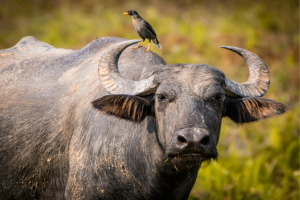
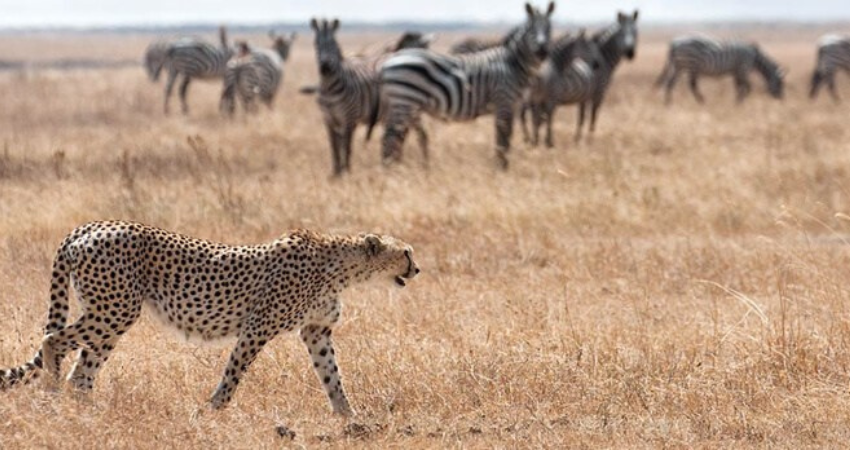
The Narus Valley is the centerpiece of wildlife tourism in Kidepo and the best place to encounter Africa’s big game. Morning and evening game drives reveal vast herds of African buffalo, often numbering over a thousand, grazing alongside elephants, zebras, and Rothschild’s giraffes. The valley’s permanent water sources make it a magnet for wildlife even in the dry season. Predators such as lions, cheetahs, and leopards are commonly sighted here, especially around Apoka. As you drive across the sweeping savannah with the Morungole Mountains in the distance, you’ll experience one of Uganda’s most dramatic safari settings, often without another vehicle in sight.

Scenic Drive to Kanangorok Hot Springs

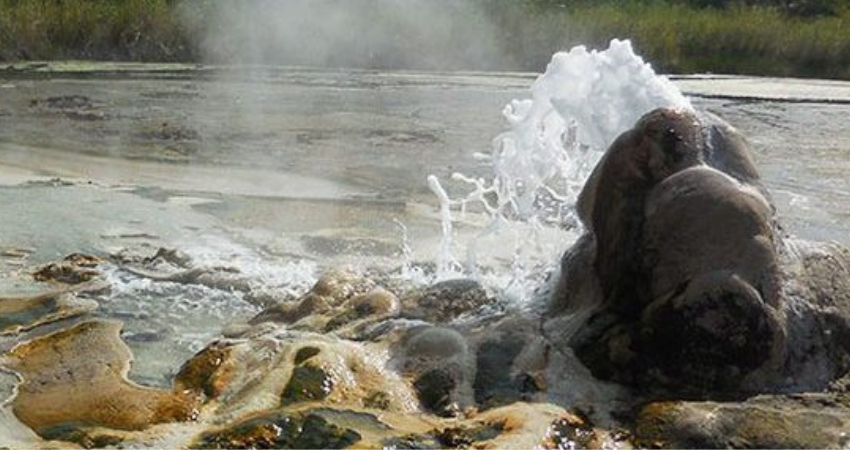
Located about 40 kilometers north of Apoka, the Kanangorok Hot Springs sit near the border with South Sudan and provide one of the park’s most scenic backdrops. The drive there crosses the dry Kidepo River, passes through acacia woodland, and offers sightings of ostriches, jackals, and foxes. The springs themselves are surrounded by palm-studded plains where visitors can walk safely with a ranger and soak in the silence of the wilderness. It’s also a great spot for photography, especially at sunset, when golden light washes over the valley’s endless horizon

Cheetah and Lion Tracking

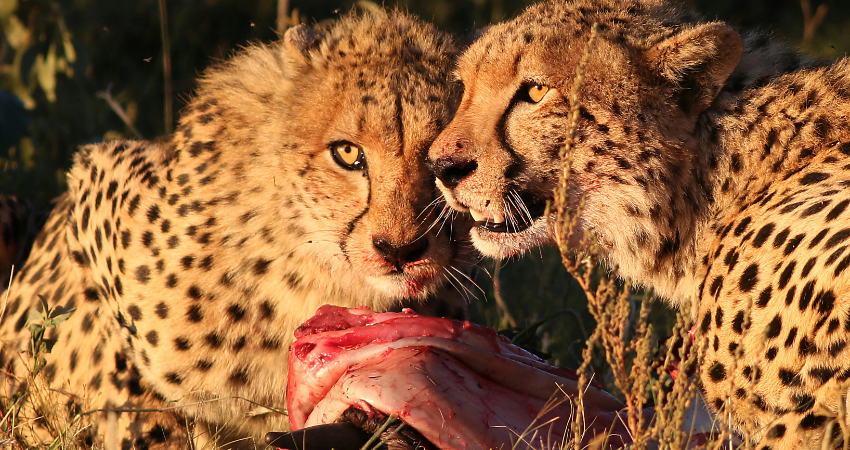
Kidepo is the only park in Uganda where visitors can spot cheetahs in their natural environment. These elegant cats thrive on the park’s open plains, especially around the Narus and Kidepo Valleys, where they hunt Uganda kobs and oribis. The rocky kopjes of Apoka and Lomej Hills also provide resting grounds for the park’s famous lions, often seen perched high above the plains surveying their territory. Rangers and guides can lead specialized drives focused on predator tracking, offering a rare chance to observe these magnificent animals up close, especially during early morning hours when they’re most active.

Cultural Encounters with the Karamojong People

A visit to Kidepo wouldn’t be complete without meeting the Karamojong, Uganda’s proud and resilient pastoralists. Guests can visit traditional manyattas (homesteads) near the park’s boundaries to witness their cattle-centered lifestyle, vibrant dances, beadwork, and spear-making. At Lorukul Village, visitors can interact with elders and learn about age-old customs of cattle raiding, communal living, and peace rituals. These cultural visits provide authentic insight into a society deeply tied to the savannah, offering a meaningful human connection that complements the park’s wildlife experience.

Birdwatching Safaris

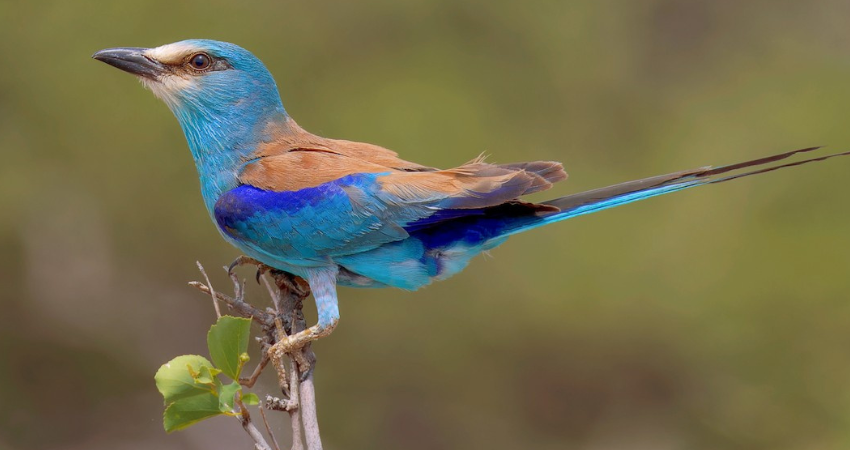
Kidepo Valley National Park is a birdwatcher’s paradise with over 470 species, including some not found elsewhere in Uganda. The semi-arid environment supports species like the ostrich, Kori bustard, Abyssinian roller, Purple heron, and Karamoja apalis—a rare endemic bird. Birding is particularly rewarding around Apoka Rest Camp, Narus Valley, and Kanangorok Hot Springs, where raptors soar over the plains and weavers nest in acacia trees. Migratory birds appear between November and April, making Kidepo a top birding destination for both amateur and professional ornithologists.

Best Time to Visit Kidepo Valley National Park

The best time to visit Kidepo Valley National Park is during the dry seasons, from December to March and June to September, when wildlife is easiest to spot around the Narus Valley’s remaining water sources. The roads are also more accessible, and game drives offer clear, uninterrupted views of the sweeping savannah and distant mountain ranges. These months provide ideal conditions for photography, birdwatching, and outdoor exploration.

During the wet seasons (April–May and October–November), the park transforms into a lush green landscape teeming with birdlife and newborn animals. However, heavy rains can make some roads challenging to navigate, especially for travelers without 4×4 vehicles. For those seeking a balance between good game viewing and fewer visitors, traveling just before or after the main dry season offers an excellent and quieter experience.

Why Visit Kidepo Valley National Park?

Kidepo Valley National Park is one of Africa’s most spectacular and least-explored wildernesses, offering a raw and authentic safari experience far from the crowds. Its vast savannahs, framed by rugged mountains, are home to an incredible diversity of wildlife, including lions, cheetahs, elephants, giraffes, and over 470 bird species. The park’s remote beauty and dramatic scenery make it a dream destination for photographers, adventurers, and nature enthusiasts seeking solitude and unspoiled landscapes.

Beyond wildlife, Kidepo offers a rare cultural dimension through interactions with the Karamojong and Ik communities, whose traditional lifestyles remain deeply rooted in the region’s heritage. Visitors can experience their dances, crafts, and cattle culture, adding depth and authenticity to their journey. With breathtaking sunsets, sweeping plains, and a serene atmosphere, Kidepo promises a truly unforgettable safari experience unlike anywhere else in Uganda.

Travel Tips & Essentials when Visiting Kidepo Valley N.P

When visiting Kidepo Valley National Park, it’s best to plan ahead since the park’s remote location means limited services and long travel distances. Ensure your vehicle is in good condition, preferably a 4×4, as the roads can be rough, especially during the rainy season. Carry sufficient fuel, drinking water, and snacks, as shops and petrol stations are scarce beyond Kitgum or Kaabong. Booking accommodation in advance is recommended, particularly during peak safari months from June to September.

Pack lightweight clothing for the day, a warm layer for the cool evenings, sunscreen, a hat, and insect repellent. Binoculars and a good camera will help you capture Kidepo’s dramatic landscapes and abundant wildlife. Always travel with a local guide or ranger for safety and deeper insight into the park’s ecosystems and Karamojong culture. Finally, respect local customs and the fragile natural environment to help preserve the beauty and tranquility that make Kidepo one of Africa’s most untouched wilderness areas.

Accommodation in Kidepo Valley National Park

Budget

Apoka Rest Camp: Managed by Uganda Wildlife Authority, Apoka Rest Camp offers simple bandas, self-contained cottages, and camping space within the park. It’s ideal for travelers seeking an authentic bush experience on a budget, with chances to spot zebras and buffalo right from your verandah.

Kakine Self-Catering Campsite: Located near Apoka, this community-run campsite provides basic facilities and a peaceful atmosphere surrounded by vast savannah. It’s perfect for adventurers who prefer to cook their own meals and enjoy stargazing under Kidepo’s clear night skies.

Mid-range

Kidepo Savannah Lodge: Situated just outside Kalokudo Gate, this lodge combines comfort and wilderness charm. Its thatched tents and safari-style cottages overlook the Narus Valley, offering stunning views, hot showers, and a cozy restaurant serving local and international dishes.

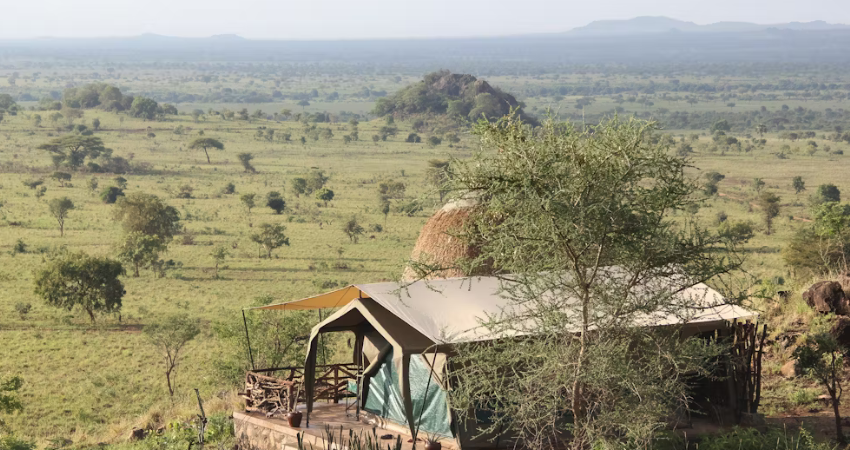
Nga’Moru Wilderness Camp: Set on a rocky outcrop with sweeping views of the plains, Nga’Moru offers comfortable tents and cottages with en-suite bathrooms. The camp provides guided nature walks, sundowners, and close proximity to game drives within Kidepo’s untamed landscapes.

Luxury

Apoka Safari Lodge: The park’s premier luxury lodge, Apoka Safari Lodge, features spacious stone cottages with outdoor bathtubs overlooking the savannah. Guests enjoy gourmet dining, personalized service, and wildlife viewing from private verandahs—elephants and lions often roam nearby.

Adere Safari Lodge: Located on the outskirts of the park, Adere blends contemporary comfort with traditional African design. The lodge offers elegant rooms, a swimming pool with panoramic views, and cultural performances from the local Karamojong community, creating a refined yet immersive safari experience.

Book Now

Name

Related wildlife Tours

Scroll to Top

Director/Sales & Marketing: Tusiime Cheryl Myra

Cheryl, the eldest daughter of Olive, has embraced the responsibility of carrying forward her mother’s legacy with resilience and determination. After losing her father at the age of six, she was raised by her mother, Olive, with the support of Christer. Olive’s passing in 2017, when Cheryl was just 19, became a defining moment in her journey.

Having been involved in the foundations of Sunset Hotel Entebbe and Olive Safari Uganda from a young age, Cheryl stepped up to manage the businesses alongside Christer. Under his mentorship, she navigated the complexities of entrepreneurship and discovered her passion for tourism.

With a Master’s degree in Business Administration and hands-on leadership, Cheryl has been instrumental in maintaining loyal clientele at Sunset Hotel Entebbe, adapting it to post-COVID standards, and expanding Olive Safari Uganda. As a certified tour guide for Uganda, Tanzania and Zanzibar, she remains committed to upholding her mother’s vision of exceptional service and unforgettable travel experiences.

Founder & CEO: Christer Torstensson

Christer, a Swedish education consultant with over 40 years of experience guiding travelers across Africa, co-founded Olive Safari Uganda with a deep passion for the continent’s wonders. His extensive journeying, particularly through Zimbabwe, Uganda, Tanzania, and Kenya, enriched his understanding of Africa’s landscapes and cultures. As a consultant, he also contributed to education and development, notably establishing an automotive school in Zimbabwe. His work with the Global Journey program brought him to Uganda, where he collaborated with municipalities and fell in love with the country’s heritage.

During this time, he met Olive, whose exceptional leadership and organizational skills later turned their professional relationship into a personal one. Their shared vision led to the creation of Olive Safari Uganda in the early 2000s, followed later by Sunset Hotel Entebbe. While Christer split his time in Sweden managing the Global Journey program, Olive oversaw daily operations. Today, Olive Safari Uganda embodies Christer’s seasoned expertise as a guide and strategic insight, paired with Olive’s dedication, delivering outstanding safaris that showcase Uganda’s beauty and beyond.

Founder & CEO: Ayebale Olive

Ayebale Olive, co-founder of Olive Safari Uganda, brought over 20 years of community service experience into the world of tourism. As secretary to Entebbe’s Mayor, she honed her skills in program management and international partnerships, playing a key role in the Global Journey program that linked Uganda and Sweden.

It was through this program that she met Christer—three years after the passing of her first husband, while raising three children. United by a shared passion for travel and discovery, they founded Olive Safari Uganda in the early 2000s. Their commitment to exceptional service quickly set the company apart.

As demand grew, they expanded their vision by establishing Sunset Hotel Entebbe, creating a welcoming space for travelers exploring Uganda. Olive’s legacy lives on, shaping the company’s dedication to authentic and unforgettable safari experiences