Gishwati-Mukura National Park

Golden monkeys in a Rwandan montane forest, a primate of Gishwati-Mukura National Park

Overview

Gishwati-Mukura National Park is one of Rwanda’s newest and quietest protected areas. It sits in the west of the country, on the ridge between Lake Kivu and the Congo-Nile Divide. Here you can track chimpanzees and other primates, spot rare birds and walk through a rainforest that is slowly coming back to life.

The park joins two restored forests: Gishwati in the north and Mukura in the south. A protected landscape corridor links them. In addition, the park forms the core of the wider Gishwati-Mukura Landscape, which UNESCO recognises as a Biosphere Reserve for its conservation and community model.

The story of the forest is one of recovery. For decades, farming, settlement and grazing cleared most of Gishwati’s original cover. However, Rwanda set aside the remaining forest and began a long restoration effort. As a result, Gishwati-Mukura became a national park in 2015, and native trees and wildlife are steadily returning.

Today, Gishwati-Mukura National Park protects rare primates, rich birdlife, waterfalls and lush green hills. Moreover, it offers an intimate rainforest experience with very few crowds. That makes it a perfect add-on to Nyungwe Forest and Volcanoes National Park if you love authentic nature, forest walks and community-based tourism. For official park updates, you can also visit Visit Rwanda.

Activities and Wildlife in Gishwati-Mukura National Park

Chimpanzee and Primate Tracking

Gishwati-Mukura National Park offers excellent chances to see primates in a calm, uncrowded setting. Guided tracking takes you along lush forest trails where several species thrive. Gishwati is home to a small community of eastern chimpanzees, and tracking them is the park’s headline activity.

Because the forest is small, the chimpanzees are easier to follow than in larger parks. Even so, they move fast and sightings are never guaranteed. Your ranger guide reads the signs, listens for calls and leads you to the group when possible. Notable primates in the park include:

  • Eastern chimpanzees
  • Golden monkeys
  • L’Hoest’s monkeys
  • Blue monkeys
  • Black-and-white colobus monkeys

The compact forest also increases your chances of close sightings on guided walks. Meanwhile, the low visitor numbers mean you often have the trail to yourself. If you want more primate time, combine this park with our chimpanzee tracking experiences in Nyungwe or Uganda.

Waterfalls, Nature Walks and Scenic Trails

Gishwati-Mukura has a network of guided nature trails through forest, streams and hills. Popular experiences include:

  • Waterfall hikes
  • Tree identification walks
  • Herbal medicine interpretation
  • Riverside nature trails

These walks help you learn about indigenous plants and forest ecology. In addition, your guide explains why the forest matters to local communities, from clean water to traditional medicine. Most trails are moderate. However, slopes can be steep and muddy after rain, so good walking shoes are essential.

Walks here move at a gentle pace. Therefore, they suit travellers who prefer quiet discovery to long, demanding treks.

Birdwatching and Biodiversity

Regal sunbird, an Albertine Rift bird found in Gishwati-Mukura National Park

The park is an emerging hotspot for birdwatchers. It hosts more than 200 recorded species, including Albertine Rift endemics and forest specialists. Bird highlights include:

  • Rwenzori turaco
  • Mountain yellow warbler
  • Regal sunbird
  • Grauer’s swamp warbler
  • Stripe-breasted tit

The quiet setting and restored habitats create excellent conditions for photography, birding and nature observation. For example, early mornings along the forest edge are often busy with sunbirds, turacos and flocks of smaller species. Keen birders can find more ideas on our bird watching safaris page.

Community Tourism Experiences

Gishwati-Mukura National Park is surrounded by lively communities that take an active part in conservation. We can arrange meaningful community visits, including:

  • Beekeeping experiences
  • Traditional dance and storytelling
  • Farm visits and rural life tours
  • Handcraft and cooperative visits
  • Cultural exchange programmes

Tourism income directly supports local families. In turn, it helps protect the forest from future damage. These visits also give you a warm, honest view of rural life in western Rwanda. For similar experiences elsewhere, see our cultural tours.

Best Time to Visit Gishwati-Mukura National Park

You can visit the park all year. However, the best months for primate tracking and nature walks fall in the dry seasons:

  • June to September
  • December to February

During these months, trails are drier, wildlife is easier to follow and the light is good for photography. On the other hand, the green seasons of March to May and October to November also have their charm. For instance, the forest looks its freshest, and birdlife is especially rewarding. Just pack a light rain jacket, because showers are common in the hills of western Rwanda.

How to Get to Gishwati-Mukura National Park

The park lies between Rubavu District and the Karongi area, so it is easy to reach from western Rwanda. Approximate travel times by road are:

  • 2.5 to 3 hours from Kigali
  • 1 to 1.5 hours from Rubavu (Gisenyi) on Lake Kivu
  • About 2 hours from Karongi

We handle all transfers in comfortable 4×4 vehicles with experienced driver-guides. Moreover, the location makes Gishwati-Mukura National Park ideal for a multi-destination safari. You can easily combine it with relaxing days at Lake Kivu and Karongi, chimpanzees in Nyungwe or gorillas in Volcanoes.

Accommodation Options

There are several eco-lodges, community-run guesthouses and forest stays near the park. We partner with carefully chosen properties that offer comfort, local hospitality and easy access to the forest. Options include:

  • Eco-lodges near Gishwati Forest
  • Lake Kivu resorts in Rubavu or Karongi
  • Community-based guesthouses
  • Mid-range forest lodges

Many travellers choose to stay on the shores of Lake Kivu and visit the park on a day trip. That way, you enjoy lakeside comfort and still reach the forest early. For more upmarket stays elsewhere in the country, see our guide to the best luxury safari lodges in Rwanda.

Plan Your Gishwati-Mukura National Park Safari

Gishwati-Mukura rewards travellers who want something different from the busy safari circuit. In addition, it fits neatly into a wider Rwanda itinerary with gorillas, chimpanzees and Lake Kivu. Browse our safari tours for inspiration. Then contact us, and we will design a Gishwati-Mukura National Park trip around your dates and interests.

Book Now

Name

Related wildlife Tours

Scroll to Top

Director/Sales & Marketing: Tusiime Cheryl Myra

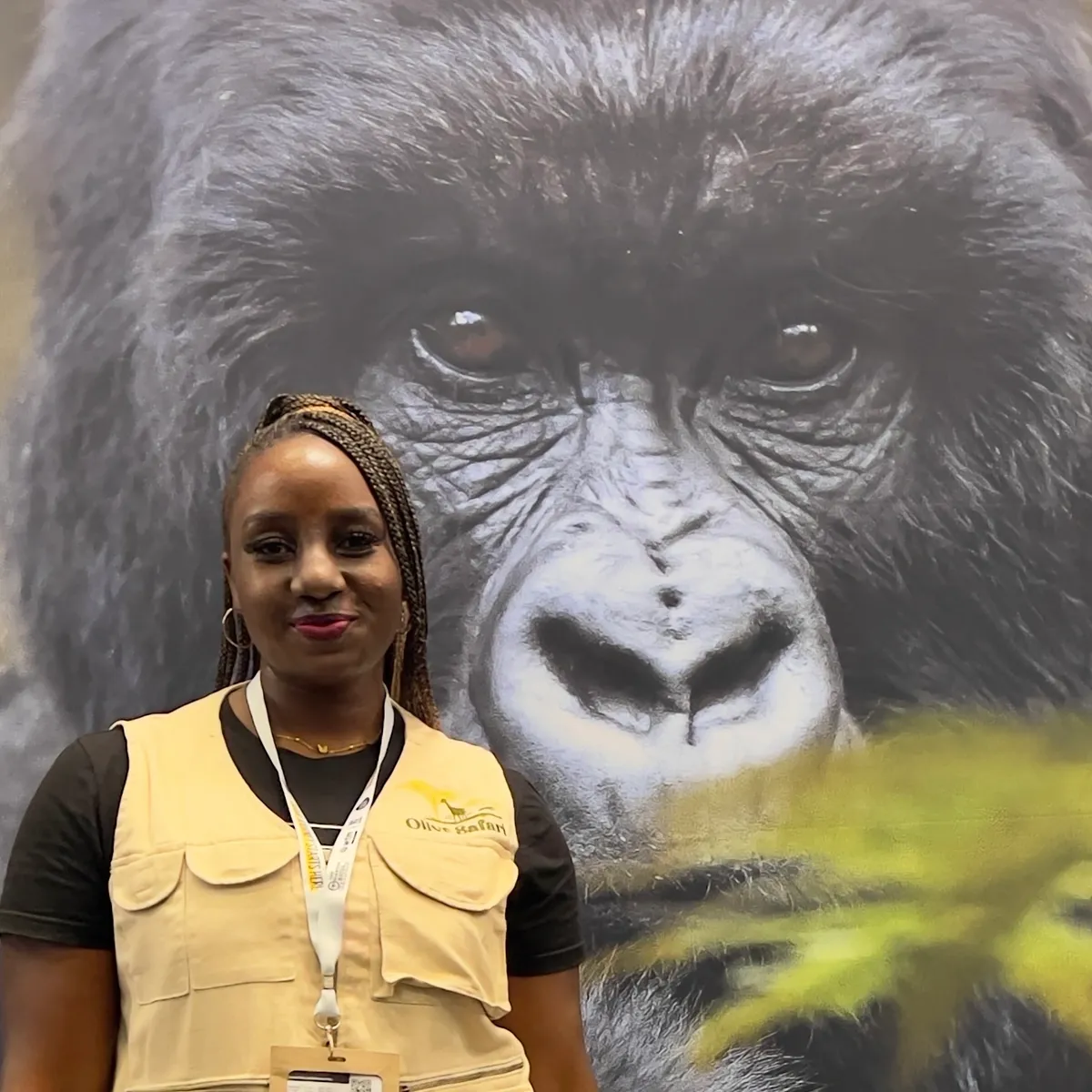
Cheryl, the eldest daughter of Olive, has embraced the responsibility of carrying forward her mother’s legacy with resilience and determination. After losing her father at the age of six, she was raised by her mother, Olive, with the support of Christer. Olive’s passing in 2017, when Cheryl was just 19, became a defining moment in her journey.

Having been involved in the foundations of Sunset Hotel Entebbe and Olive Safari Uganda from a young age, Cheryl stepped up to manage the businesses alongside Christer. Under his mentorship, she navigated the complexities of entrepreneurship and discovered her passion for tourism.

With a Master’s degree in Business Administration and hands-on leadership, Cheryl has been instrumental in maintaining loyal clientele at Sunset Hotel Entebbe, adapting it to post-COVID standards, and expanding Olive Safari Uganda. As a certified tour guide for Uganda, Tanzania and Zanzibar, she remains committed to upholding her mother’s vision of exceptional service and unforgettable travel experiences.

Christer Torstensson - Founder & CEO

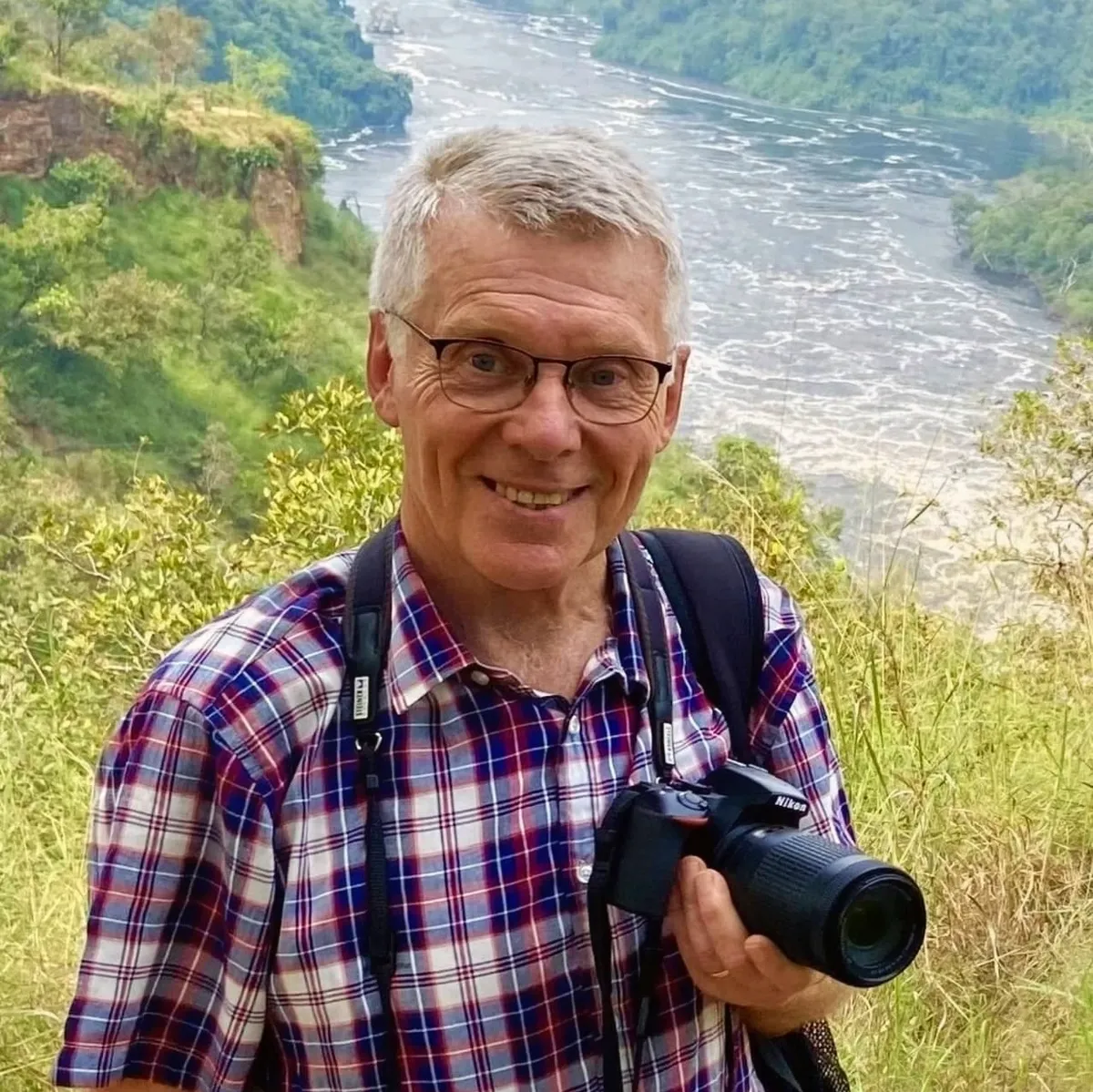
Founder & CEO: Christer Torstensson

Christer, a Swedish education consultant with over 40 years of experience guiding travelers across Africa, co-founded Olive Safari Uganda with a deep passion for the continent’s wonders. His extensive journeying, particularly through Zimbabwe, Uganda, Tanzania, and Kenya, enriched his understanding of Africa’s landscapes and cultures. As a consultant, he also contributed to education and development, notably establishing an automotive school in Zimbabwe. His work with the Global Journey program brought him to Uganda, where he collaborated with municipalities and fell in love with the country’s heritage.

During this time, he met Olive, whose exceptional leadership and organizational skills later turned their professional relationship into a personal one. Their shared vision led to the creation of Olive Safari Uganda in the early 2000s, followed later by Sunset Hotel Entebbe. While Christer split his time in Sweden managing the Global Journey program, Olive oversaw daily operations. Today, Olive Safari Uganda embodies Christer’s seasoned expertise as a guide and strategic insight, paired with Olive’s dedication, delivering outstanding safaris that showcase Uganda’s beauty and beyond.

Olive Ayebale.

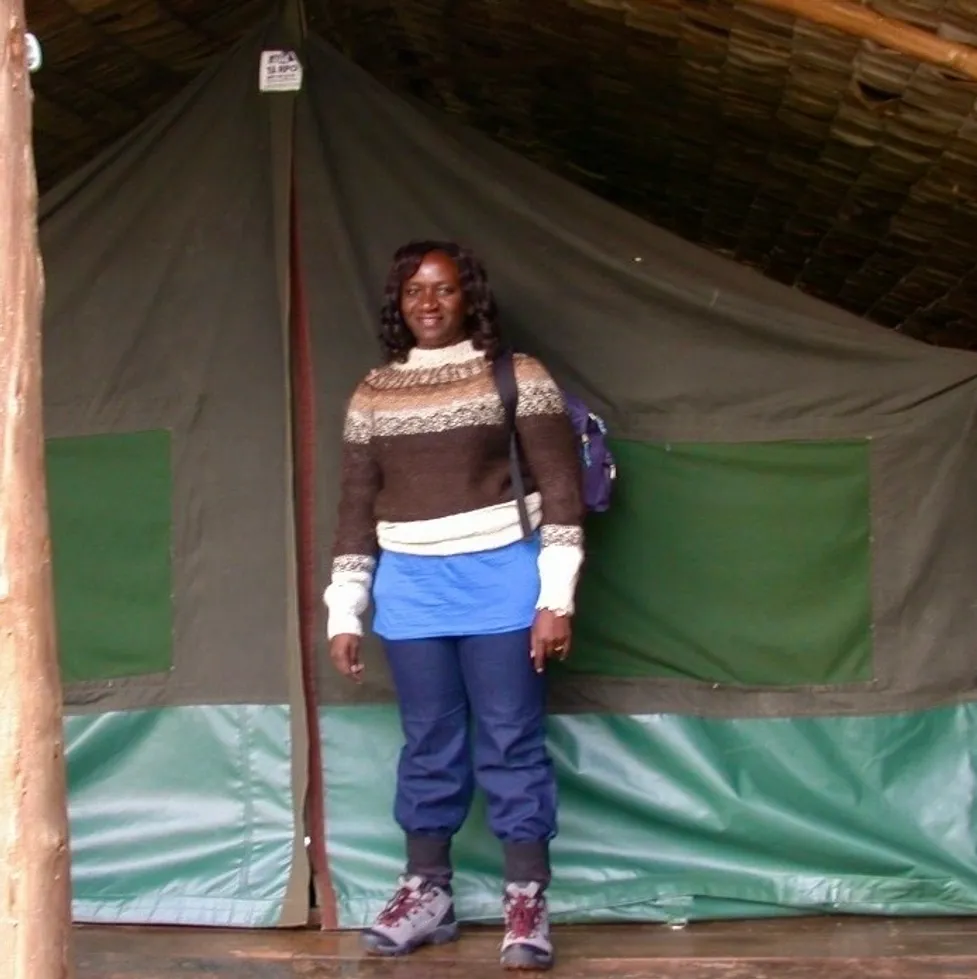
Founder & CEO: Ayebale Olive

Ayebale Olive, co-founder of Olive Safari Uganda, brought over 20 years of community service experience into the world of tourism. As secretary to Entebbe’s Mayor, she honed her skills in program management and international partnerships, playing a key role in the Global Journey program that linked Uganda and Sweden.

It was through this program that she met Christer—three years after the passing of her first husband, while raising three children. United by a shared passion for travel and discovery, they founded Olive Safari Uganda in the early 2000s. Their commitment to exceptional service quickly set the company apart.

As demand grew, they expanded their vision by establishing Sunset Hotel Entebbe, creating a welcoming space for travelers exploring Uganda. Olive’s legacy lives on, shaping the company’s dedication to authentic and unforgettable safari experiences