Home » Wildlife Safari Experience in Kibale National park
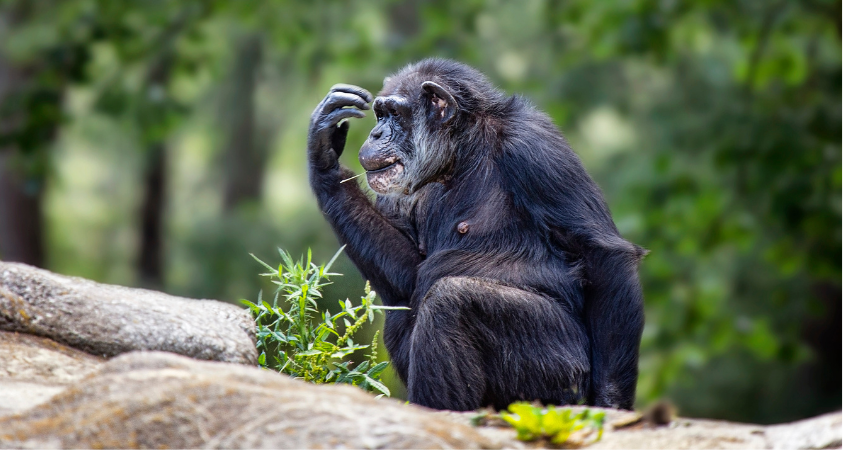
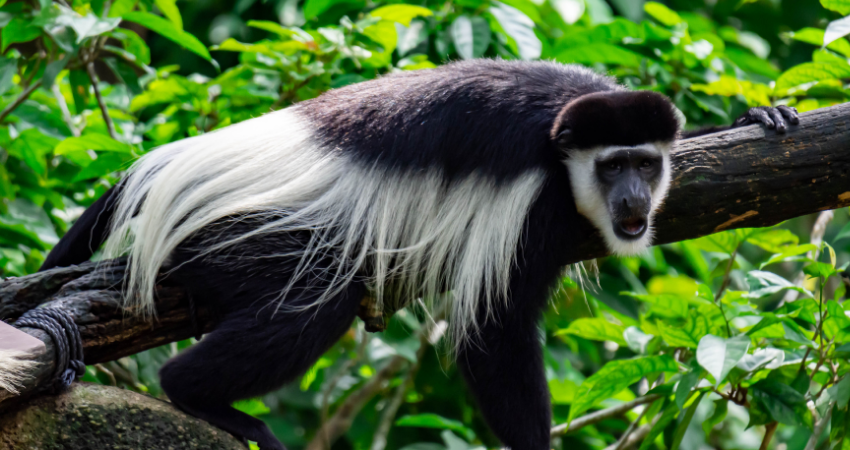
Kibale National Park, often referred to as the Primate Capital of the World, offers an unrivaled wildlife safari experience for travelers who want to see Uganda’s most intelligent residents up close. The dense tropical rainforest is alive with the sounds of chimpanzees, red colobus monkeys, and a symphony of forest birds. Safaris here are unique because they allow you to walk beneath the forest canopy rather than view wildlife only from a vehicle. The intimacy of hearing chimpanzees call from tree to tree or spotting a troop of red-tailed monkeys swinging above makes Kibale a one-of-a-kind wildlife destination in East Africa. Home to 13 primate species, Kibale is the best place in Africa for chimpanzee tracking safaris. More than 1,500 chimpanzees live in the park, many of which are habituated to human presence, making encounters consistent and rewarding. Beyond chimps, Kibale shelters rare primates like L’Hoest’s monkey, Uganda mangabey, and the black-and-white colobus, all of which are a delight for wildlife enthusiasts. For travelers who want a primate-focused safari in Uganda, Kibale is unmatched.
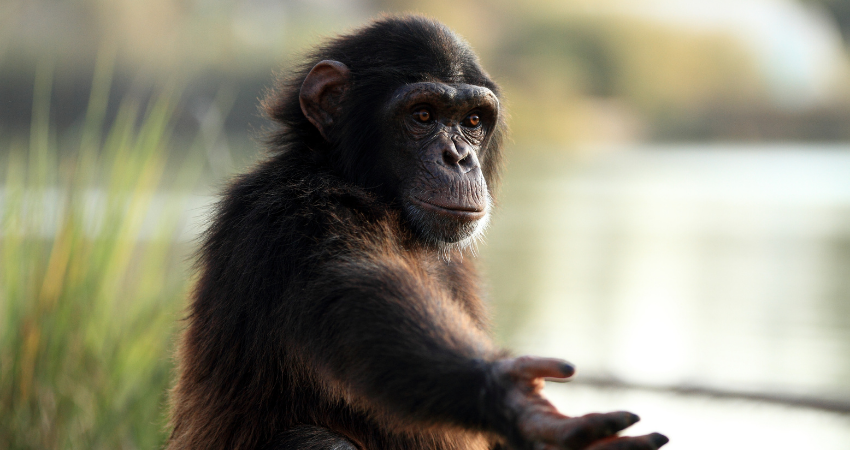
Chimpanzee tracking is the signature wildlife experience of Kibale National Park, drawing visitors from all over the world. Treks begin in the morning with a briefing by Uganda Wildlife Authority rangers, followed by a guided walk deep into the forest. As you follow trails through towering trees and tangled undergrowth, the anticipation builds until you hear the loud hoots and pant-hoots echoing across the canopy, a clear sign that a chimpanzee troop is near. Once located, you spend up to one unforgettable hour watching them interact: grooming, feeding, playing, or noisily communicating with one another. With a success rate of over 95%, Kibale offers the best chimpanzee tracking experience in Uganda, combining adventure, education, and a rare chance to connect with our closest relatives.

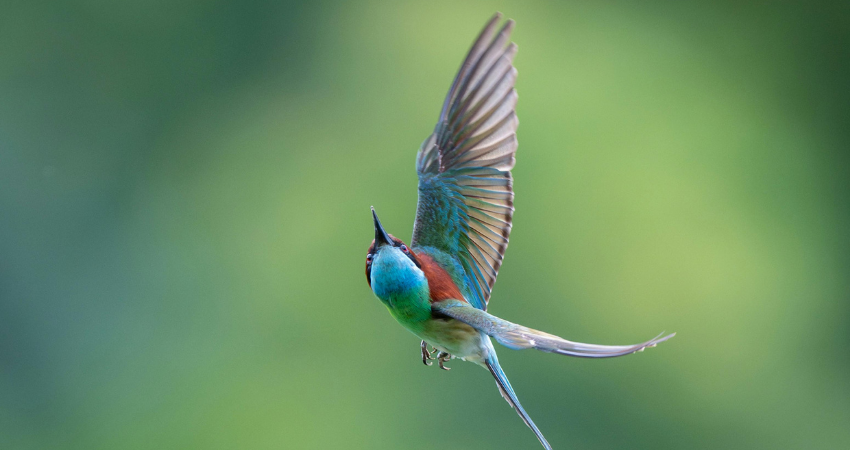
A visit to Kibale is not complete without experiencing the rich cultural life of the communities living around the park. Through guided cultural encounters, visitors are welcome to nearby villages such as Bigodi, where local hosts share their traditions, stories, and ways of life. These immersive tours often include visits to smallholder farms, demonstrations of traditional cooking, basket weaving, and storytelling sessions that highlight the deep connection between people and the forest. Guests may also meet traditional healers who explain the use of medicinal plants found in the rainforest, or enjoy music and dance performances that celebrate local heritage. Beyond the cultural learning, these experiences directly support community-based tourism initiatives, ensuring that conservation and local livelihoods grow together. Cultural encounters in Kibale provide a meaningful balance to wildlife adventures, offering travelers a deeper appreciation of Uganda’s people and their harmonious relationship with nature.

Guided forest walks in Kibale allow you to experience the forest at a slower pace. Trails reveal towering mahogany and fig trees, butterflies, and smaller mammals. The night forest walk is particularly exciting, where spotlights reveal nocturnal creatures like bushbabies, pottos, and nightjars. These walks bring the forest to life beyond chimpanzees, making Kibale a multi-layered experience.
Kibale National Park is open throughout the year, but the timing of your trip can influence the wildlife experiences. The dry seasons, from December to February and June to September, are ideal for chimpanzee tracking. During these months, forest trails are firmer and less muddy, making trekking easier and more comfortable. Wildlife sightings, especially of primates, are often more predictable, and the dry conditions allow for longer, uninterrupted forest walks.
The wet seasons, from March to May and October to November, bring lush greenery and abundant flowering plants, which attract a wealth of birds, including migratory species. Birdwatchers will find these months particularly rewarding, as colorful species like the African Pitta and Black Bee-eater are more active and visible. However, forest walks may be slippery and more physically demanding, so we recommend appropriate gear. Overall, the choice of season depends on your focus: dry months for chimpanzee trekking and easier forest exploration, and wet months for birding and witnessing the rainforest at its most vibrant.
Kibale is renowned for its primate population, offering the most reliable chimpanzee tracking in Africa. Its blend of wildlife, birding, cultural interaction, and intimate forest walks makes it unlike any other park in Uganda. Whether you’re a wildlife enthusiast, birder, or adventure traveler, Kibale guarantees an immersive connection with nature.
Planning your Visit to Kibale National Park. If you are planning on visiting Kibale National Park, there are a few details you should keep in mind before making the trip to this primate- and community-packed rainforest. Comfortable, tough clothes are a must; you’ll want long-sleeved shirts and trousers (to ward off insects and sun), and solid walking shoes or hiking boots for all that mud-tromping. Rain gear is also a must-have here, especially during the rainy season, as rain bursts are frequent. For wildlife viewing, pack binoculars, a camera with a zoom lens, and insect repellent. It’s often cooler in the early morning, so make sure to layer up. Carry water and snacks, although local guides could give short pauses during longer walks. Display a profound respect for wildlife and local people: keep a respectful distance from wildlife, listen and obey guide regulations, and ask permission before photographing people. Visitors are encouraged to pack their park passes in advance, particularly for chimpanzee trekking and the Chimpanzee Habituation Experience, as these are in demand and have limited numbers available. Due to the prevailing health conditions, you should use malaria prophylaxis and have required shots updated, and a small first aid set to treat minor scratches.
By preparing well, you can have a safe, comfortable, and memorable experience, whether tracking chimpanzees, bird-watching, or exploring the Bigodi Wetland Sanctuary.
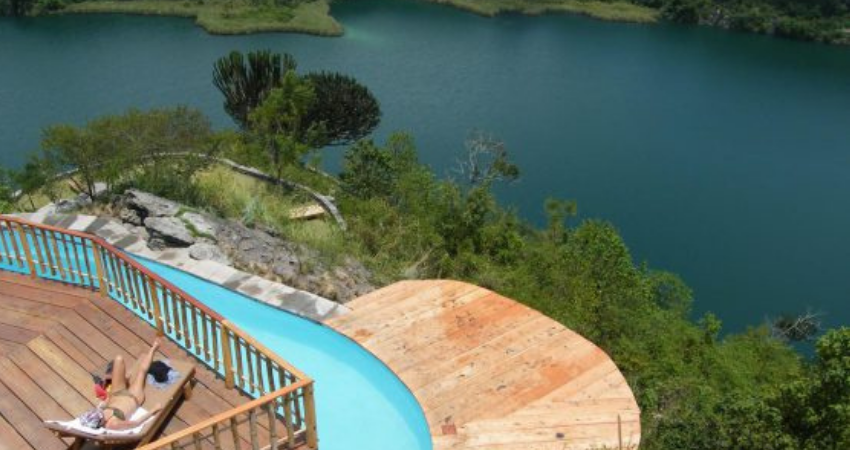
There is a broad range of accommodation options in Kibale National Park to fit the diverse budgetary requirements and tastes, and the Kasenda volcanic crater lakes and the Uganda rainforest. For travelers wanting style and comfort, lodges such as Kyaninga Lodge and Crater Safari Lodge offer large, light cottages and sophisticated interiors as well as five-star facilities. These are usually situated near crater lakes, rolling hills, or forest edges, perfect places to relax after a day of trekking or birding. You can enjoy fine dining, spa treatments, and organised nature experiences, which can be arranged either at the lodge itself or as part of your stay.
For midrange budgets, however, places like Turaco Treetops and other lodges provide cozy, well-appointed cottages within easy reach of the park trails. They offer a mix of creature comforts and immersion in nature, sometimes on raised platforms, nestled among trees, where one can spot birds and wildlife while lounging on your veranda.
More budget-conscious guests can stay in small guesthouses near Bigodi Village, with its simple but clean rooms and the opportunity to engage with the local community. These are suitable for those who would like to do early morning tracking of chimps or Bigodi Wetland walks due to their proximity to the forest.
Being a stone’s throw from the park, you can easily make early starts for chimpanzee tracking, birding, and foresting far more pleasurable and relaxed when the sights and sounds of the rainforest are at their most peaceful, and what you want to do then is take it all in. There is something for everyone in every type of lodging, warmth of Uganda, proximity to nature, and proximity to wildlife in the company of welcoming, friendly Ugandan people.
WhatsApp us
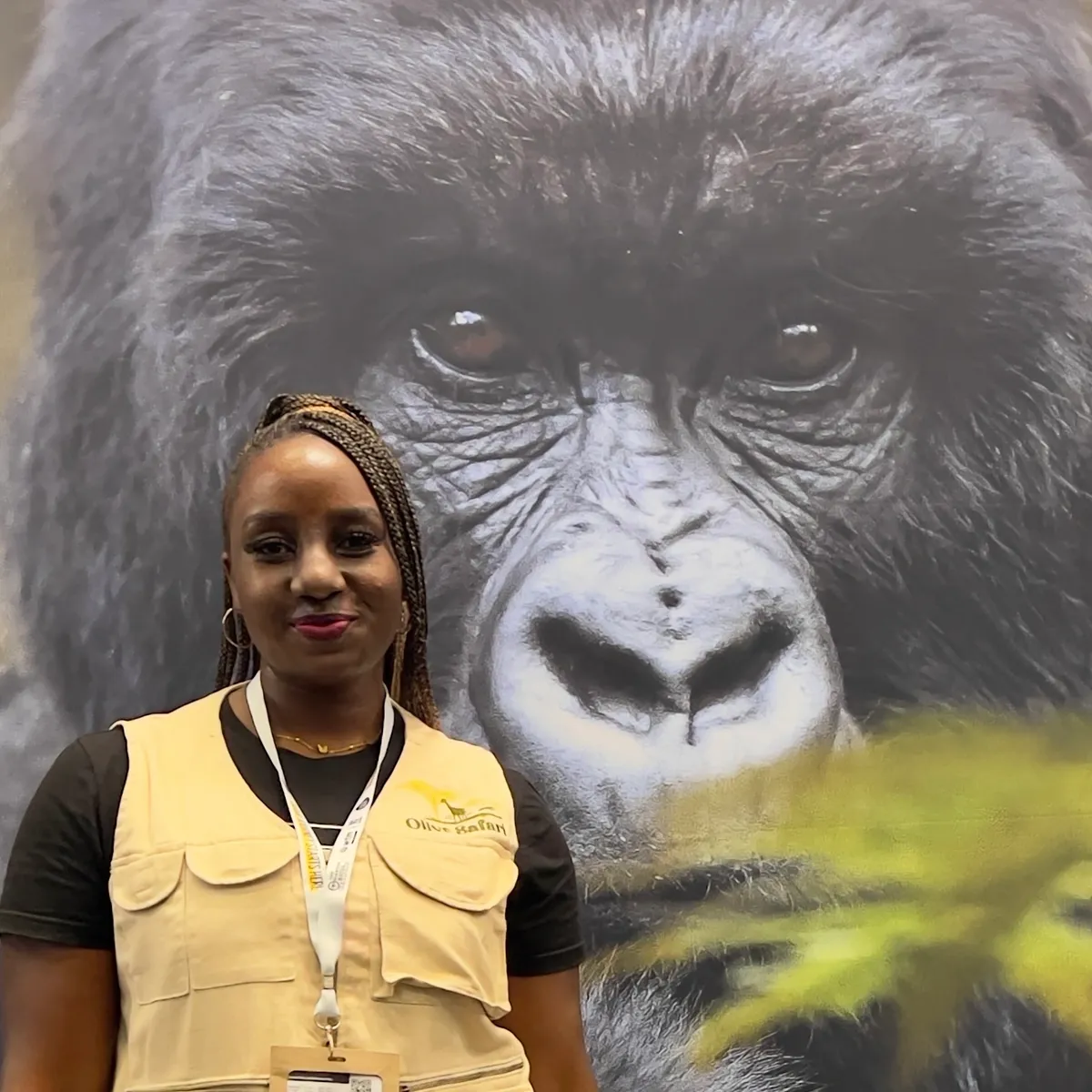
Cheryl, the eldest daughter of Olive, has embraced the responsibility of carrying forward her mother’s legacy with resilience and determination. After losing her father at the age of six, she was raised by her mother, Olive, with the support of Christer. Olive’s passing in 2017, when Cheryl was just 19, became a defining moment in her journey.
Having been involved in the foundations of Sunset Hotel Entebbe and Olive Safari Uganda from a young age, Cheryl stepped up to manage the businesses alongside Christer. Under his mentorship, she navigated the complexities of entrepreneurship and discovered her passion for tourism.
With a Master’s degree in Business Administration and hands-on leadership, Cheryl has been instrumental in maintaining loyal clientele at Sunset Hotel Entebbe, adapting it to post-COVID standards, and expanding Olive Safari Uganda. As a certified tour guide for Uganda, Tanzania and Zanzibar, she remains committed to upholding her mother’s vision of exceptional service and unforgettable travel experiences.

Christer, a Swedish education consultant with over 40 years of experience guiding travelers across Africa, co-founded Olive Safari Uganda with a deep passion for the continent’s wonders. His extensive journeying, particularly through Zimbabwe, Uganda, Tanzania, and Kenya, enriched his understanding of Africa’s landscapes and cultures. As a consultant, he also contributed to education and development, notably establishing an automotive school in Zimbabwe. His work with the Global Journey program brought him to Uganda, where he collaborated with municipalities and fell in love with the country’s heritage.
During this time, he met Olive, whose exceptional leadership and organizational skills later turned their professional relationship into a personal one. Their shared vision led to the creation of Olive Safari Uganda in the early 2000s, followed later by Sunset Hotel Entebbe. While Christer split his time in Sweden managing the Global Journey program, Olive oversaw daily operations. Today, Olive Safari Uganda embodies Christer’s seasoned expertise as a guide and strategic insight, paired with Olive’s dedication, delivering outstanding safaris that showcase Uganda’s beauty and beyond.
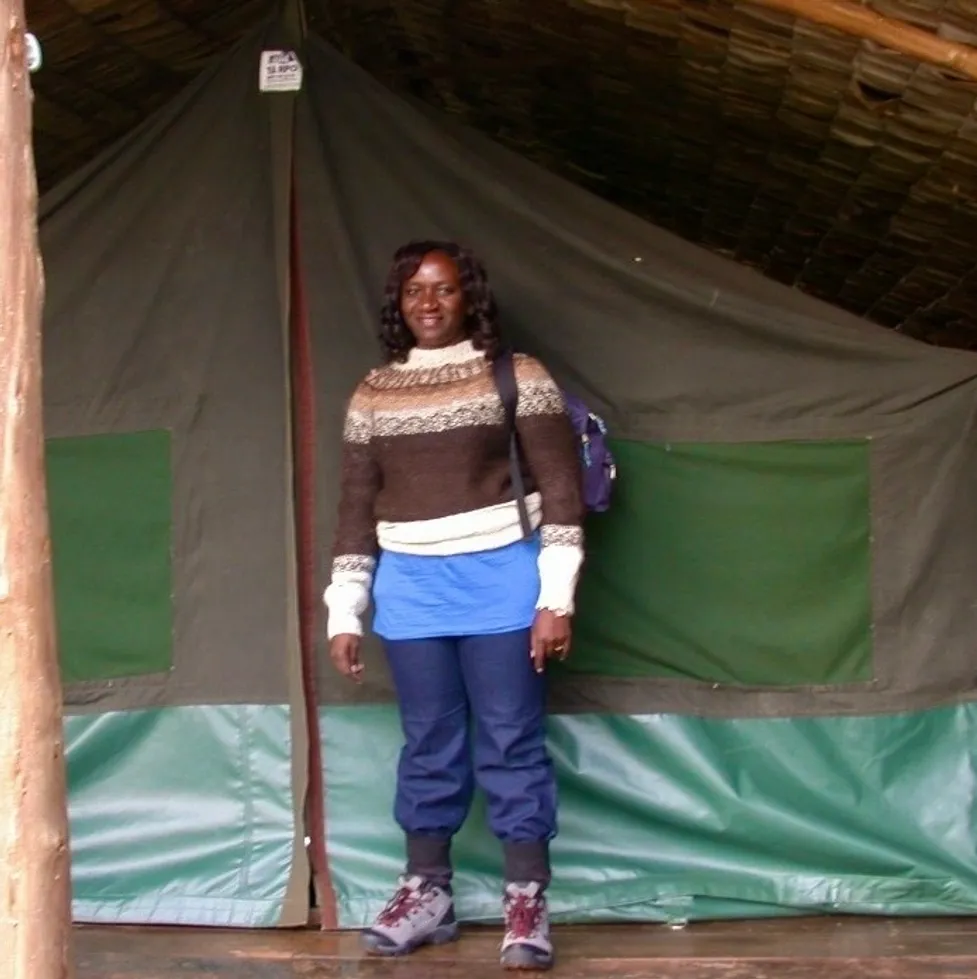
Ayebale Olive, co-founder of Olive Safari Uganda, brought over 20 years of community service experience into the world of tourism. As secretary to Entebbe’s Mayor, she honed her skills in program management and international partnerships, playing a key role in the Global Journey program that linked Uganda and Sweden.
It was through this program that she met Christer—three years after the passing of her first husband, while raising three children. United by a shared passion for travel and discovery, they founded Olive Safari Uganda in the early 2000s. Their commitment to exceptional service quickly set the company apart.
As demand grew, they expanded their vision by establishing Sunset Hotel Entebbe, creating a welcoming space for travelers exploring Uganda. Olive’s legacy lives on, shaping the company’s dedication to authentic and unforgettable safari experiences