Home » Wildlife Safari Experience in Mabamba Swamp

Mabamba Swamp, which is located on the northern shores of Lake Victoria, approximately 50km west of Entebbe, is a famous birding haven and one of Uganda’s important Ramsar-listed wetlands of International importance. The swamp is internationally renowned for being the most dependable site in the country to see a shoebill stork, a prehistoric-looking bird with a gigantic beak and a regal bearing that still delights both ornithologists and tourists around the world. But the wetland ecosystem is more than the shoebill. Indeed, it is home to more than 300 bird species, including papyrus gonoleks, malachite kingfishers, African jacanas, blue-breasted bee-eaters and many species of migratory waterbirds. We access Mabamba by traditional canoe, which transfers us silently between swishing reeds and it rises higher than a man’s reach into the sky, creating an intimate and holistic wildlife experience. More than just a place to go birding, the swamp is also home to other wildlife, and you may even catch a glimpse of otters, monitor lizards or sitatunga antelope. The uncrowded, peaceful environment of still water provides you with a respite from city life, and the community guide system, with a local guide, can lead you to learn about the wetland’s ecology and cultural meanings. For birders and photographers or anyone with a passion for nature, Mabamba Swamp is less a trip and more of an iconic safari whose specialty is summing up Uganda’s avian wonders.
Easily accessed from Entebbe or Kampala – the swamp is a great day trip for bird lovers, nature enthusiasts, or people transiting through Entebbe International Airport. Travel by road from Entebbe takes approximately 1.5 hours; another, more scenic, option is taking the short boat trip over Lake Victoria to Kasanje, and then a brief drive to the swamp. A number of tours also visit Mabamba with other sights in the Entebbe area such as the Uganda Wildlife Education Centre or Botanical Gardens.
Mabamba Swamp on the northwestern shores of Lake Victoria has always been an important moist habitat for the birds as well as for the local people. The swamp has traditionally supported the Banda and Baganda fishing settlements who have relied on its waters for fish, for collecting papyrus – to make baskets, mats and other items – and hunting, and more recently, for subsistence farming of fruit and vegetables. The thick papyrus reed beds served as a natural sanctuary and habitat for birds and other wetic birds and other wetland species.
The importance the wetland as a habitat led to it being declared a Ramsar Wetland of International Importance in 2006. The global significance of the swamp is emphasized in providing a habitat for rare and endangered bird species, such as the shoebill stork, an elusive bird, as well as many indigenous bird species, both resident and migratory. Conservation efforts during recent decades have been directed toward sustainable resource utilization, community-based tourism and habitat protection that have enabled Mabamba to remain both an important wildlife area and economic resource for local communities.
Mabamba Swamp is now considered one of the best birding sites in Uganda, where visitors can glimpse rare wildlife as well as contribute to the conservation efforts being championed by the government and local communities.
The flagship of Mabamba Swamp is undoubtedly the shoebill stork, one of the most prized bird for the world. This monstrous, prehistoric-looking bird will often be seen motionless standing amongst the papyrus reeds stalking lungfish and other prey. For many birders a shoebill seen here is the ultimate prize; whatever else you are here for, pay a visit to Mabamba on any Ugandan safari. But the swamp’s allure is broader than a single species. With over 300 recorded bird species, Mabamba has a superb list of birds including papyrus gonolek, swamp flycatcher, blue swallow, malachite kingfisher, purple heron, African jacana and pied kingfisher. Seasonal migrant birds also add to the environment change and guarantee new sightings every year. The wetland system is also home to various small mammals, reptiles, amphibians and aquatic life that when combined, form a healthy ecological diversity. This mix of star turns and artistic treasures makes Mabamba Swamp an extraordinary wildlife reserve.
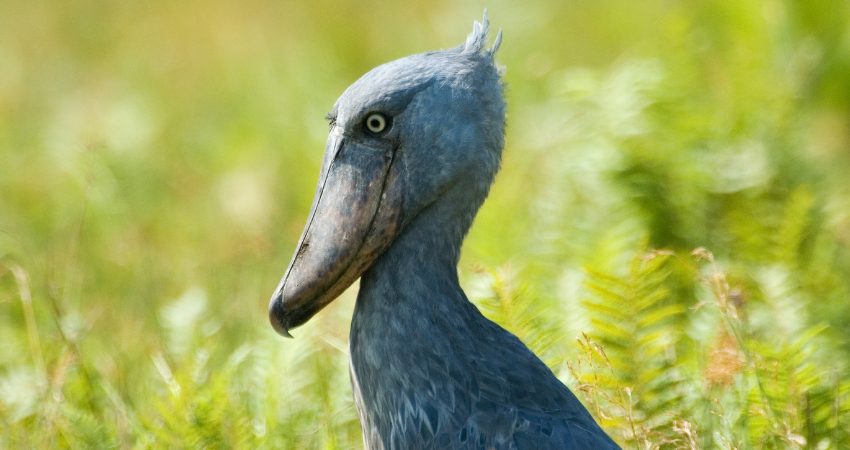
Birding for the shoebill is the flagship activity at Mabamba Swamp and the world’s birders and photographers have reason not to run-off. With the help of experienced local guides, guests venture out in canoes to navigate narrow channels and papyrus fringes and have the chance to see shoebills up close. These guides know the ecosystem of the swamp and read bird calls, movement, and habits to increase chances of sightings. There is nothing more exhilarating than witnessing a shoebill stealthily hunting its prey and then pouncing with maurading quickness. For photographers, what a shot it is – those great height, huge bill and prehistoric look out against a natural wetland background. It is an activity that combines adventure with patience and reward, and which provides one of Uganda’s most iconic wildlife experiences.
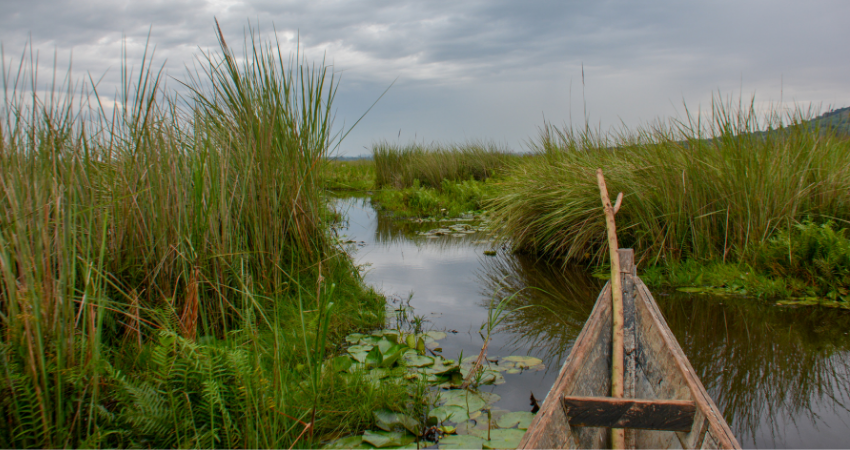
The best way to visit the swamp is on a wooden canoe paddle silently through the marshes as you traverse through the narrow channels that crisscross Mabamba bay. The ride provides visitors with up-close encounters with a tapestry of habitats, from dense papyrus and lily-coated waterways to open lagoons teeming with bird activity. They are being led in canoes by local wranglers who expertly maneuver even the most slender passageways, indicating hidden species and relating the ecological function of the wetland. At every bend, there are surprises, a motionless shoebill, a kingfisher flash of malachite, otters at play, splashing about in the water. The swamp’s eeriness heightens all sounds and shapes associated with, it making canoe trips both meditative and richly rewarding.
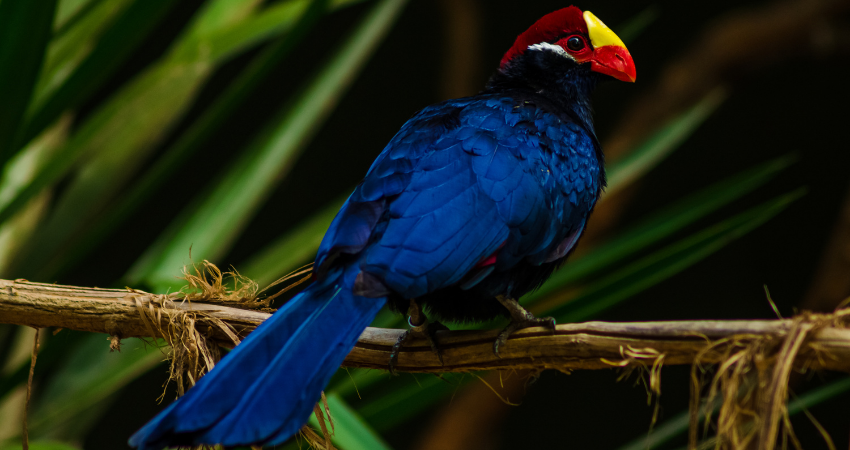
Mabamba isn’t the only place to spot the shoebill, the swamp supports more than 300 bird species, which makes it a top spot for hard core birders. Papyrus-endemic birds including papyrus gonolek, white-winged warbler and blue-headed coucal occur in healthy numbers. Seasonal migrants also enhance the experience; these include blue swallow and northern migrant, both coming during certain months. Birding excursions tend to run for several hours, enabling participants to soak in the swamp’s birdlife. Palmer says that visitors who bring binoculars are able to watch as herons, egrets and jacanas feed —and as kingfishers dart and dive, right next to them. Guides by calls and behavior ensure even beginner birders get the thrill of finding rare and difficult birds. Each trip is a magical ornithological treasure hunt.
More than a birding paradise, Mabamba swamp is also a successful community-based tourism site. Travelling visitors also have the chance to meet with the local fishermen and villagers who depend on the swamp for their daily needs. Visiting with them, you get a little window into the old ways, the conservation puzzles and the locals’ connection to this delicate ecosystem. Cultural excursions almost always involve storytelling, demonstrations of fishing or canoe crafting and meal sharing with local families. Crucially, tourism-related income goes directly toward helping local initiatives education, healthcare, conservation programmes and so on. Visitors to Mabamba by helping to build and support sustainable livelihoods and the permanent protection of the swampland.
Apart from birding, visitors at Mabamba Swamp can also get an insight into the cultural life of the local people by joining fishermen for traditional fishing trips. In canoes, travelers learn age-old techniques like net casting and fish traps that have been used for generations. Though you may not always reel in a fish, the true fisherman catches tales of how the swamp lives side by side with its people. Fishing tours provide a microcosm of the difficulties of local people when it comes to weighing the value of their livelihood with the role of wetland conservation. This practical, immersive experience reveals Mabamba as a natural as well as a living resource, fostering in the visitors a richer understanding of the interconnectedness of man and nature.
Mabamba Swamp is a super birding site at any time of year however December – February and June – August are the best months for a canoe safari. The water levels during these months are lower and steadier, making it easier to glide along papyrus detours. While shoebills are be easier to see right now, as they hunt for fish in shallow waters, making this period of the dry season rewarding for birdwatchers and photographers.
From November to April, they join the swamp residents to produce incredible diversity of wildlife. And though access can be more challenging when it rains, the wet season comes with verdant landscapes and interesting sightings. It’s the best time to visit: early morning when the swamp is filled with birds calling, birds flying, and the best chance of seeing shoebills.
The Mabamba Swamp is more than a birder’s stopover, it is a unique natural haven that offers one of the most memorable wildlife experiences in Uganda. It owes its fame to its status as one of the best places in Africa to spot the elusive shoebill stork in the wild, a bird that looks prehistoric enough to be the stuff of Jurassic parquet so desirable that it ranks at the top of the bucket list of many tourists and ornithologists around the world. It is quite an experience to see this huge bird standing quietly in the papyrus, just waiting for a prey. Unlike the usual game safari, at Mabamba one can experience a serene wetland setting where the just silence is part of the adventure too.
Packing for a visit to Mabamba Swamp It is important to pack appropriately for a comfortable and rewarding visit to Mabamba Swamp. Binoculars and cameras are a necessity to fully appreciate the incredible birdlife, and to get a glimpse of the elusive shoebill stork. Sunscreen, bug spray, and a hat will help shield you from the sun and biting insects. Canoe rides are generally in the open, with no shade. Loose, breathable attire should be packed/ is advised for the wet style of heat, as well as a sturdy pair of shoes fit to tread in the swamp’s landing places. For the best chance of spotting shoebills, arrange to depart in the early morning when the birds are at their most active and the light is ideal for photography.
WhatsApp us
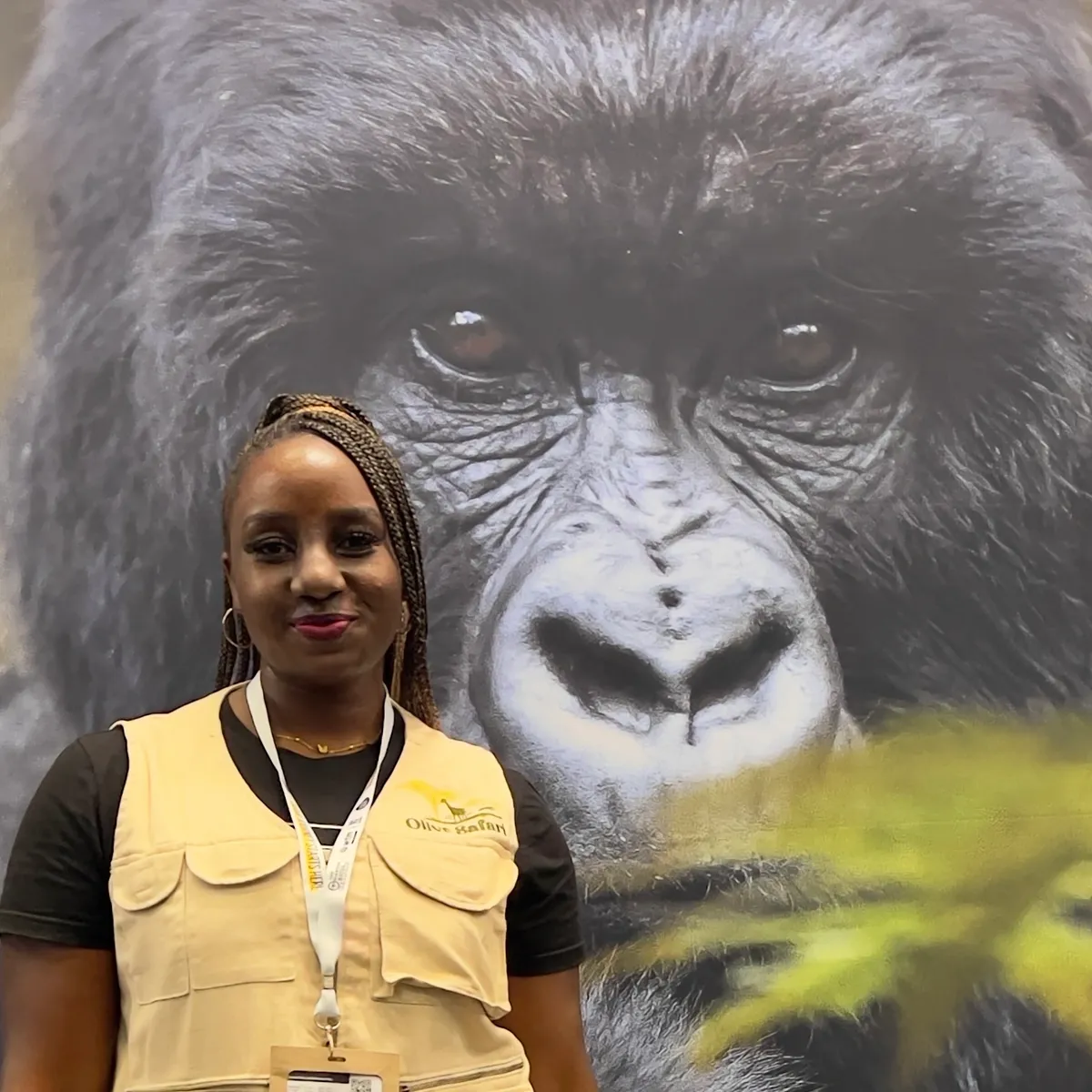
Cheryl, the eldest daughter of Olive, has embraced the responsibility of carrying forward her mother’s legacy with resilience and determination. After losing her father at the age of six, she was raised by her mother, Olive, with the support of Christer. Olive’s passing in 2017, when Cheryl was just 19, became a defining moment in her journey.
Having been involved in the foundations of Sunset Hotel Entebbe and Olive Safari Uganda from a young age, Cheryl stepped up to manage the businesses alongside Christer. Under his mentorship, she navigated the complexities of entrepreneurship and discovered her passion for tourism.
With a Master’s degree in Business Administration and hands-on leadership, Cheryl has been instrumental in maintaining loyal clientele at Sunset Hotel Entebbe, adapting it to post-COVID standards, and expanding Olive Safari Uganda. As a certified tour guide for Uganda, Tanzania and Zanzibar, she remains committed to upholding her mother’s vision of exceptional service and unforgettable travel experiences.
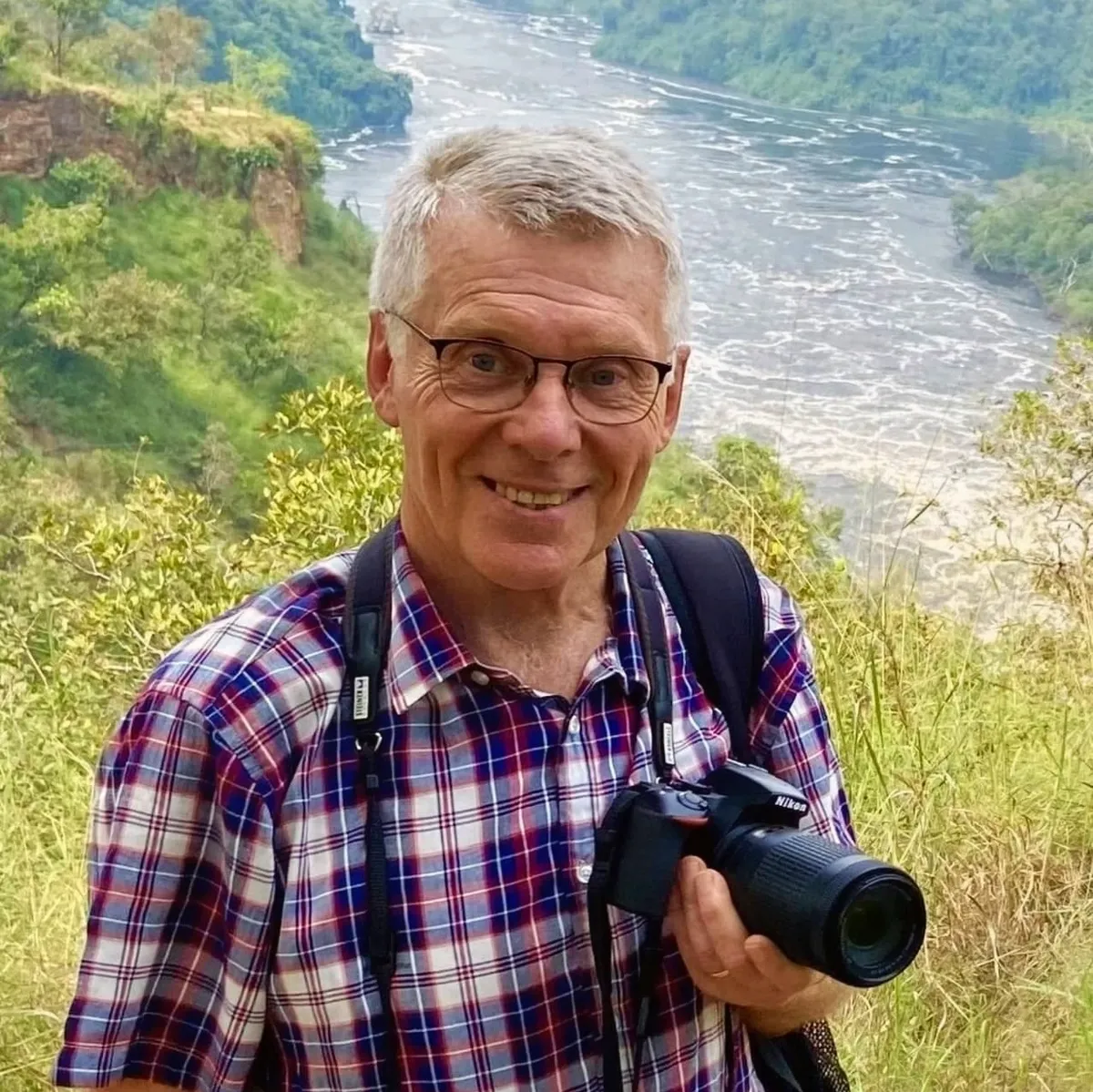
Christer, a Swedish education consultant with over 40 years of experience guiding travelers across Africa, co-founded Olive Safari Uganda with a deep passion for the continent’s wonders. His extensive journeying, particularly through Zimbabwe, Uganda, Tanzania, and Kenya, enriched his understanding of Africa’s landscapes and cultures. As a consultant, he also contributed to education and development, notably establishing an automotive school in Zimbabwe. His work with the Global Journey program brought him to Uganda, where he collaborated with municipalities and fell in love with the country’s heritage.
During this time, he met Olive, whose exceptional leadership and organizational skills later turned their professional relationship into a personal one. Their shared vision led to the creation of Olive Safari Uganda in the early 2000s, followed later by Sunset Hotel Entebbe. While Christer split his time in Sweden managing the Global Journey program, Olive oversaw daily operations. Today, Olive Safari Uganda embodies Christer’s seasoned expertise as a guide and strategic insight, paired with Olive’s dedication, delivering outstanding safaris that showcase Uganda’s beauty and beyond.
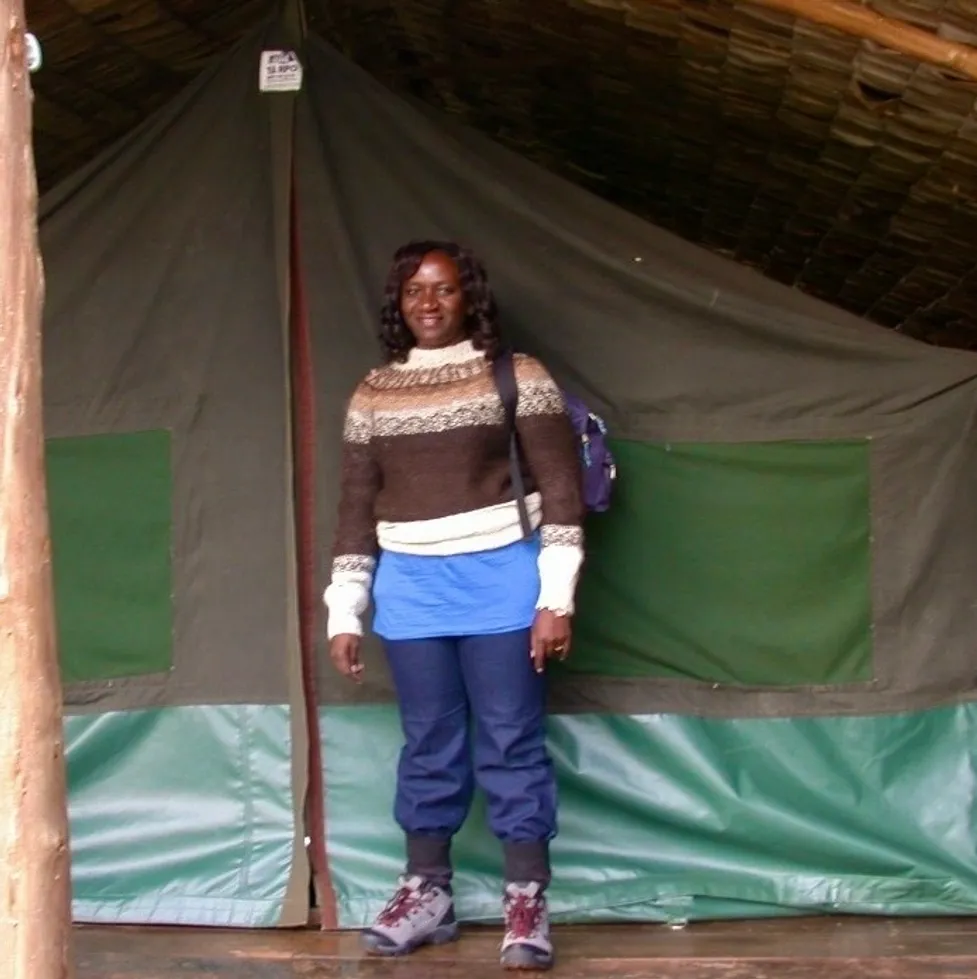
Ayebale Olive, co-founder of Olive Safari Uganda, brought over 20 years of community service experience into the world of tourism. As secretary to Entebbe’s Mayor, she honed her skills in program management and international partnerships, playing a key role in the Global Journey program that linked Uganda and Sweden.
It was through this program that she met Christer—three years after the passing of her first husband, while raising three children. United by a shared passion for travel and discovery, they founded Olive Safari Uganda in the early 2000s. Their commitment to exceptional service quickly set the company apart.
As demand grew, they expanded their vision by establishing Sunset Hotel Entebbe, creating a welcoming space for travelers exploring Uganda. Olive’s legacy lives on, shaping the company’s dedication to authentic and unforgettable safari experiences