
3-Day Tooro Kingdom & Crater Lake Culture Tour
Fort portal Nature, Safari and Culture Price per person based on a group of 6persons Day by Day Program This

Home » Activities » Cultural Tours in Uganda
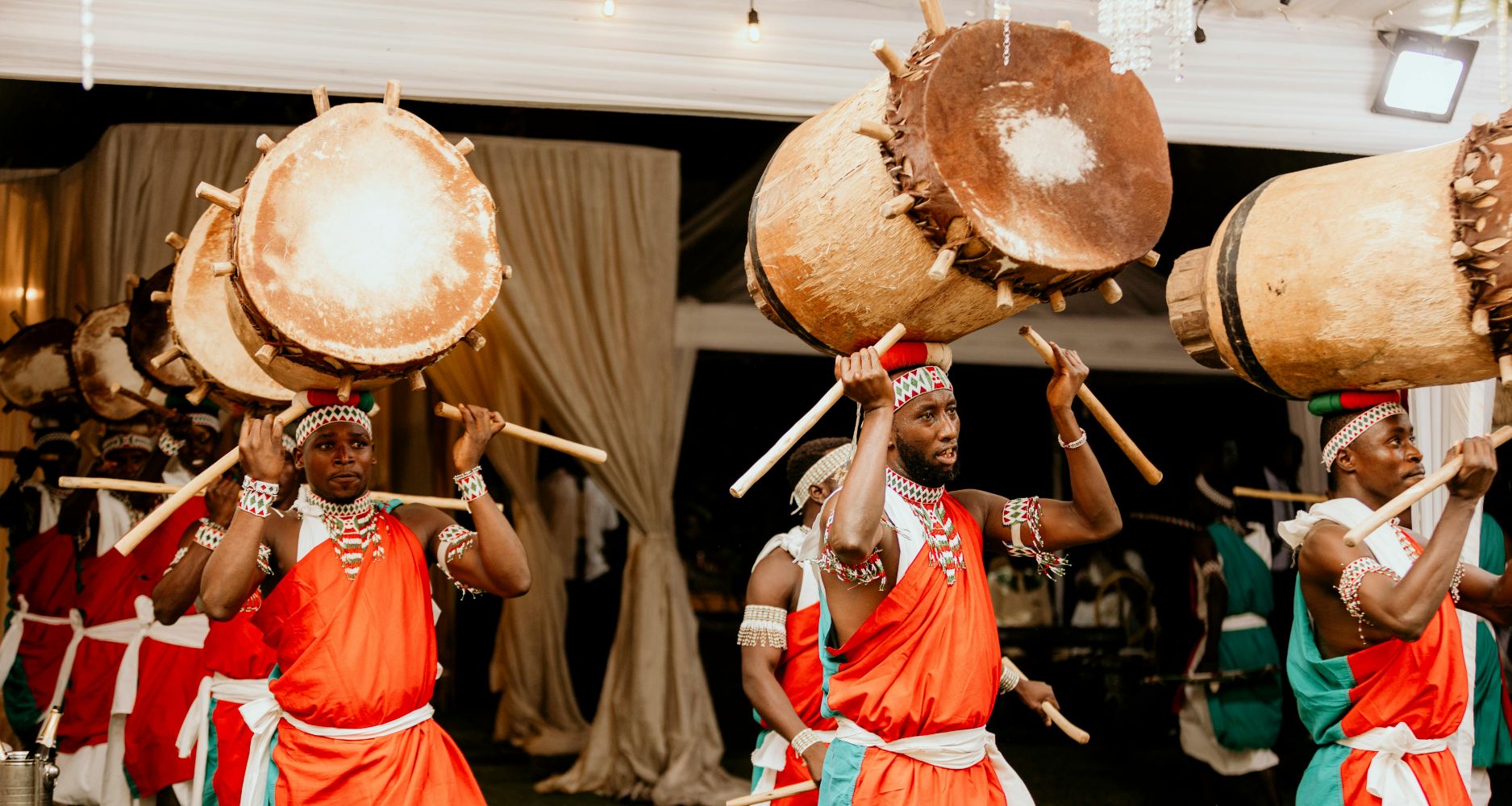
Our Cultural tours in Uganda, Rwanda, and Tanzania aren’t complete without connecting with the people who call these places home. From the vibrant traditions of the Batwa and Karamojong in Uganda, to Rwanda’s resilience and rich storytelling, and the age-old customs of the Maasai in Tanzania—every encounter offers a deeper understanding of the land.
Whether you’re dancing to local drums, sharing stories around a fire, or visiting a rural homestead, these moments remind us that travel is about more than landscapes—it’s about connection, humility, and shared humanity.
Fort portal Nature, Safari and Culture Price per person based on a group of 6persons Day by Day Program This

Karamoja Nature, Safari and Culture Price per person based on a group of 6persons Day by Day Program Tucked away

Buganda Kingdom UNESCO sites and Culture Price per person based on a group of 6persons Full-Day Kampala City Tour itinerary

Perched on Kasubi Hill just outside Kampala’s bustling city center, the Kasubi Tombs are a spiritual and cultural cornerstone of the Buganda Kingdom—Uganda’s largest and most influential traditional monarchy. This UNESCO World Heritage Site serves as the royal burial ground for four of Buganda’s kabakas (kings). It stands as a living testament to centuries of tradition, clan systems, and spiritual beliefs. The tombs are not just monuments but living spaces where sacred rituals and cultural knowledge are continuously practiced and passed down, making the site an irreplaceable link between Uganda’s past and present.
Located only 5 kilometers from downtown Kampala, the Kasubi Tombs are easily accessible by car, boda-boda, or public transport. The site sits atop the tranquil Kasubi Hill, offering a panoramic view of the capital’s skyline while providing a serene environment for cultural reflection.
Its proximity to the capital makes it an ideal stop for both short-stay visitors and long-term travelers seeking to engage meaningfully with Uganda’s rich cultural heritage.
The tombs are the final resting place of four Buganda kings and are considered one of the most spiritually significant sites in Uganda. The most iconic structure, the Muzibu Azaala Mpanga, is a marvel of traditional Ganda architecture, built using thatch, wood, reeds, and bark cloth—materials chosen not just for their functionality but also for their spiritual symbolism.
As a sacred site still used for rituals and clan gatherings, Kasubi Tombs reflect a dynamic culture that has survived colonialism, modernization, and even fire destruction. Visitors often leave with a sense of reverence, having witnessed how history is not merely preserved but actively lived through storytelling, spiritual ceremonies, and clan leadership.
Cultural tours in Uganda take you through the inner sanctum of the tombs, where you’ll see the intricacies of traditional architecture and hear captivating stories about the reigns, rituals, and legacies of Buganda kings. Cultural custodians, often descendants of the royal lineage, offer valuable insights into clan structures, royal symbolism, and spiritual customs that continue to shape Buganda society today.
The experience is immersive and emotional, drawing you into a narrative that combines dignity, heritage, and identity. Photography is limited in some areas due to spiritual restrictions, which further emphasizes the sacredness and authenticity of the encounter.
At the Kasubi Tombs, visitors can take part in insightful guided heritage tours led by cultural custodians who explain the site’s royal lineage and architectural symbolism. You can witness or learn about traditional Buganda rituals still practiced at the tombs, visit the royal drums and regalia displays, and explore nearby cultural landmarks such as the Kabaka’s Palace and the Royal Mile. Visitors may also engage with artisans selling Buganda-themed crafts, bark cloth garments, and wood carvings, which support local families and preserve indigenous craftsmanship.
The Kasubi Tombs are open throughout the year. Still, the most favorable times to visit are during the dry seasons—June to August and December to February—when the grounds are easier to explore and cultural activities are more frequent.
During the rainy months, the site may be slightly muddy, so wearing comfortable walking shoes is advisable. Visiting in the morning or late afternoon offers a cooler climate and a quieter experience.

Tucked deep within the misty highlands of southwestern Uganda, the Batwa Cultural Trail offers a rare and respectful glimpse into one of Africa’s oldest indigenous communities—the Batwa, also known as the pygmies. Once forest dwellers of Bwindi Impenetrable Forest, the Batwa lived in harmony with nature for thousands of years until they were evicted in the 1990s to preserve the national park. This immersive trail, developed in partnership with the Batwa community and conservationists, invites you to walk in their footsteps—literally—through the forest paths they once called home. Here, stories of survival, spirituality, and tradition unfold beneath the forest canopy, reminding visitors of a cultural identity nearly lost to time.
The Batwa Cultural Trail is located in the southern sector of Bwindi Impenetrable National Park, primarily near the Buhoma and Rushaga trailheads. This area is part of a UNESCO World Heritage Site and is also globally recognized for gorilla trekking.
Nestled within thick rainforest and high-altitude terrain, the trail is easily accessed by road from Kabale or Kisoro towns. The location blends pristine nature with authentic culture, making it a perfect dual experience for eco-tourists and cultural explorers alike.
The Batwa were the original forest dwellers of Uganda—hunter-gatherers who depended entirely on the forest for food, medicine, and shelter. Their displacement in 1991 led to a near collapse of their way of life, which makes this cultural trail a powerful act of reclamation and preservation.
By walking the trail, you help sustain a living culture that remains deeply rooted in spiritual ties to the forest. The experience is not just a tribute to the past, but also a step toward the Batwa’s cultural resilience, dignity, and rightful place in Uganda’s heritage landscape.
Led by Batwa guides, the trail recreates life as it once was. You’ll see how they lit fires by friction, gathered medicinal herbs, built grass-thatched huts, and hunted with bow and arrow.
Perhaps the most moving moment is the visit to the Garama Cave, a sacred site once used by Batwa kings and warriors. Inside, Batwa women perform haunting traditional songs—laments of a lost home, but also hymns of strength and identity.
While visiting the Batwa Cultural Trail, you’ll trek through traditional forest paths once used by the Batwa during their time as forest dwellers. Along the way, guides and Batwa elders demonstrate ancient survival skills such as hunting with bows and arrows, identifying medicinal plants, and gathering wild food—practices that once sustained their entire community. A highlight of the experience is a visit to the sacred Garama Cave, a spiritual site where the Batwa held ceremonies and sought refuge. The journey also includes vibrant live performances of traditional Batwa music and dance, often set against the backdrop of the forest, as well as opportunities for open and respectful dialogue with Batwa elders and storytellers who share their history, beliefs, and personal experiences with heartfelt authenticity.
Cultural tours in Uganda are best experienced in the dry seasons—June to August and December to February—when forest paths are less slippery and the weather is ideal for trekking.
However, since Bwindi is a rainforest, occasional showers are expected throughout the year. Be sure to wear good hiking boots and bring a light rain jacket, regardless of the season.

Karamoja, located in the northeastern corner of Uganda, is one of the country’s most culturally distinct regions. Often referred to as the “last cultural frontier of Uganda,” it offers an unfiltered, immersive experience into the lives of the Karamojong people—semi-nomadic pastoralists with a rich heritage, deep community ties, and resilient traditions. While historically isolated due to harsh terrain and security concerns, Karamoja is now increasingly accessible and drawing cultural tourists seeking raw, untouched experiences. The region’s beauty lies not only in its vast savannahs and rugged hills but in its people’s fierce pride in their heritage, vibrant dances, ancient storytelling, and fascinating cattle culture.
Karamoja lies in northeastern Uganda, bordered by Kenya to the east and South Sudan to the north. Its major towns include Moroto, Kotido, and Kaabong, with Moroto serving as the cultural hub and gateway for most heritage safaris.
Although the region was once remote, its infrastructure has undergone significant improvement. Today, it’s accessible by road (via Mbale or Soroti) or air (via Moroto airstrip), making cultural safaris both convenient and memorable.
The Karamojong people are known for their strong warrior traditions, distinctive dress, and spiritual connection to cattle. Their heritage has been preserved for centuries with minimal outside influence, offering a glimpse into a lifestyle largely untouched by modernization. The Karamojong continue to live in traditional manyattas (homestead communities), wear handcrafted beads and body markings, and maintain communal decision-making systems led by elders.
More than just a people, the Karamojong culture represents a worldview where cattle are currency, songs are oral records, and ceremonies are pivotal to community life. This makes Karamoja a living museum, where heritage isn’t just told—it’s felt.
Travelers can visit authentic manyattas, where local elders and youth welcome them with traditional songs, dances, and storytelling sessions. You’ll learn about age-old customs, including courtship rituals, initiation rites, and community governance systems. Interactive experiences may include participating in village chores, watching artisans make jewelry or spears, and joining communal dances around the fire.
In Moroto, the Karamoja Museum offers curated insights into the region’s archaeology, traditional tools, and oral history. For those seeking more, community-guided hikes to Mount Moroto or the Tepeth tribe homesteads provide breathtaking views and deeper engagement with lesser-known clans.
While in Karamoja, cultural travelers can tour manyattas and engage in conversations with elders and women’s groups to learn about family roles, leadership, and spirituality. You’ll witness or participate in traditional dances, try local cuisine, and observe the symbolic value of cattle in everyday life. Explore the Karamoja Cultural Museum in Moroto for historical context, and visit markets where handmade crafts and beadwork are sold. For the adventurous, hike the surrounding ranges to meet the Tepeth, one of the oldest groups in the region, and discover their mountain way of life.
Karamoja is best visited during the dry season from December to March and June to August, when the weather is most favorable for village visits, hiking, and cultural performances. These months also coincide with key community events, such as cattle ceremonies and festivals.
Travelers are encouraged to plan visits with local cultural tourism groups for respectful, safe, and meaningful engagement, ensuring experiences are enriching for both visitors and host communities.
East Africa’s culture is as rich and diverse as its wildlife. In Uganda, over 53 tribes each bring their own language, dance, food, and traditions—making every region feel like a new cultural discovery. In Rwanda, visitors are welcomed into a deeply resilient and unified culture shaped by tradition and healing. Tanzania offers timeless experiences with iconic groups like the Maasai, known for their striking dress, nomadic lifestyle, and proud warrior heritage. Whether you visit a village, join a dance, or share a local meal, these moments invite real connection—with stories that stay with you long after your safari ends.
Uganda is home to over 53 tribes, each with its own language, customs, and history—making it one of the most culturally diverse countries in Africa. Spend time with the Batwa near Bwindi, one of Africa’s oldest Indigenous forest communities. In the north, the Karamojong welcome visitors into their cattle-keeping, warrior tradition. In central Uganda, explore the heritage of the Baganda, the kingdom behind the capital Kampala, with its rich royal history and vibrant music. In the west, meet the Banyoro and Banyankole, known for their deep storytelling, graceful dances, and strong cattle traditions. Whether you’re visiting a homestead or joining a traditional performance, Uganda offers countless ways to connect meaningfully with its people.
The Batwa, often called “The Keepers of the Forest,” lived for generations in Uganda’s Bwindi and Mgahinga rainforests. Today, cultural visits offer a rare opportunity to walk alongside Batwa guides, hear their stories, and learn ancient forest survival skills. These visits are not performances—they are shared experiences rooted in dignity and cultural preservation. Your visit supports community-led efforts to keep Batwa history alive and empower new generations through education and awareness.
In the remote plains of northeastern Uganda, the Karamojong people continue to live in harmony with the land. Known for their cattle-keeping traditions, vibrant jewelry, and warrior spirit, the Karamojong offer a rare window into one of Uganda’s most resilient and least-visited cultures. Visiting a manyatta (traditional homestead) or sharing in dance and storytelling is both humbling and eye-opening. These encounters are best done with trusted local guides who ensure mutual respect and meaningful exchange.
The Maasai are among East Africa’s most recognizable communities, known for their red robes, beaded jewelry, and deep connection to the land. Living near the Serengeti and Ngorongoro Crater, they coexist with some of Africa’s greatest wildlife. Visiting a Maasai boma (village) allows you to learn about their way of life, traditions, and values. With songs, dances, and storytelling passed down through generations, every moment spent with the Maasai adds heart and history to your Tanzanian safari.
Across Uganda, Rwanda, and Tanzania, rhythm is a way of life. Drums beat during celebrations, dances mark rites of passage, and stories are told beneath starlit skies. In Uganda, the Ndere Cultural Centre showcases diverse dances from the country’s many tribes. In Rwanda, Intore dancers perform centuries-old warrior routines, while in Tanzania, Maasai chants echo across the plains. These traditions are not just performances—they are living expressions of identity, history, and joy.
Cultural experiences become even more meaningful when they support the people you meet. Many of our cultural visits in Uganda, Rwanda, and Tanzania are part of community-based tourism projects—which means your presence directly supports education, health, and local livelihoods. Whether you’re buying crafts from a women’s cooperative, visiting a community-run lodge, or joining a storytelling session, your trip becomes part of something bigger: respectful, empowering, and deeply human.
Visiting a local community is a privilege, and small gestures of respect go a long way. Dress modestly, ask before taking photos, and approach each moment with humility and curiosity. Learning a few local greetings—like “Agandi” in Uganda or “Asante sana” in Tanzania—can create an instant connection. Our team will guide you on cultural do’s and don’ts to help ensure your visit is warm, respectful, and welcomed by the people you meet.
WhatsApp us
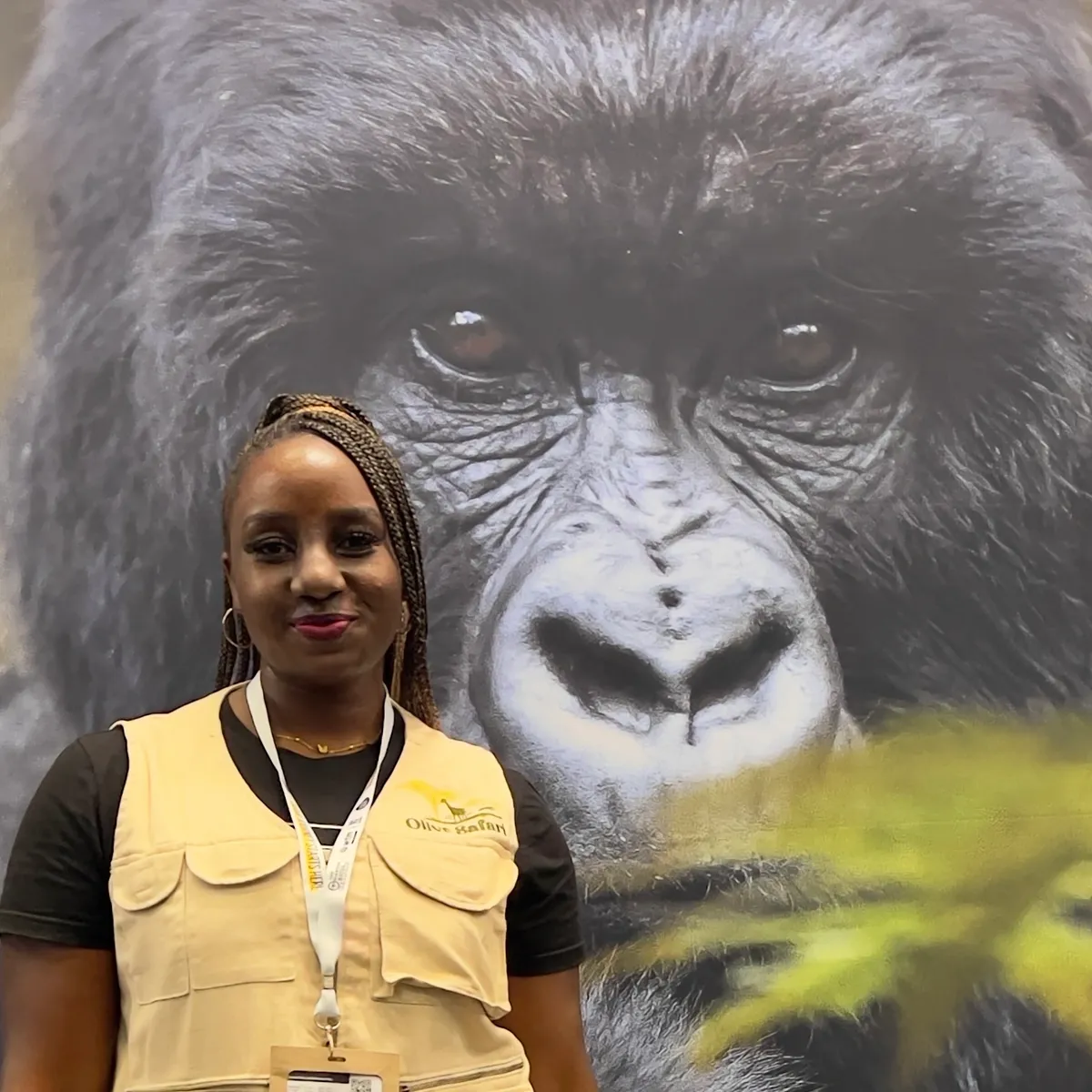
Cheryl, the eldest daughter of Olive, has embraced the responsibility of carrying forward her mother’s legacy with resilience and determination. After losing her father at the age of six, she was raised by her mother, Olive, with the support of Christer. Olive’s passing in 2017, when Cheryl was just 19, became a defining moment in her journey.
Having been involved in the foundations of Sunset Hotel Entebbe and Olive Safari Uganda from a young age, Cheryl stepped up to manage the businesses alongside Christer. Under his mentorship, she navigated the complexities of entrepreneurship and discovered her passion for tourism.
With a Master’s degree in Business Administration and hands-on leadership, Cheryl has been instrumental in maintaining loyal clientele at Sunset Hotel Entebbe, adapting it to post-COVID standards, and expanding Olive Safari Uganda. As a certified tour guide for Uganda, Tanzania and Zanzibar, she remains committed to upholding her mother’s vision of exceptional service and unforgettable travel experiences.
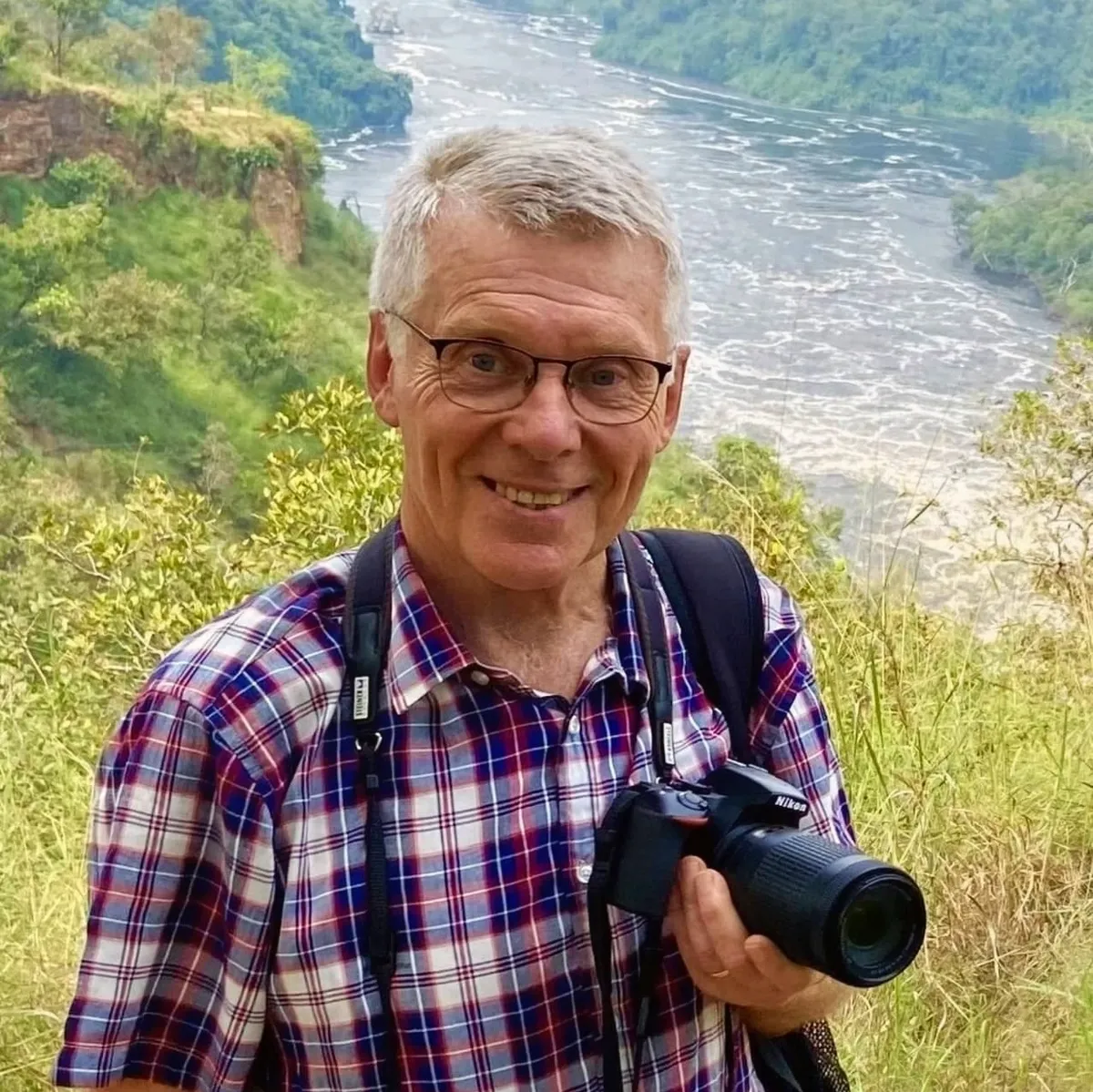
Christer, a Swedish education consultant with over 40 years of experience guiding travelers across Africa, co-founded Olive Safari Uganda with a deep passion for the continent’s wonders. His extensive journeying, particularly through Zimbabwe, Uganda, Tanzania, and Kenya, enriched his understanding of Africa’s landscapes and cultures. As a consultant, he also contributed to education and development, notably establishing an automotive school in Zimbabwe. His work with the Global Journey program brought him to Uganda, where he collaborated with municipalities and fell in love with the country’s heritage.
During this time, he met Olive, whose exceptional leadership and organizational skills later turned their professional relationship into a personal one. Their shared vision led to the creation of Olive Safari Uganda in the early 2000s, followed later by Sunset Hotel Entebbe. While Christer split his time in Sweden managing the Global Journey program, Olive oversaw daily operations. Today, Olive Safari Uganda embodies Christer’s seasoned expertise as a guide and strategic insight, paired with Olive’s dedication, delivering outstanding safaris that showcase Uganda’s beauty and beyond.
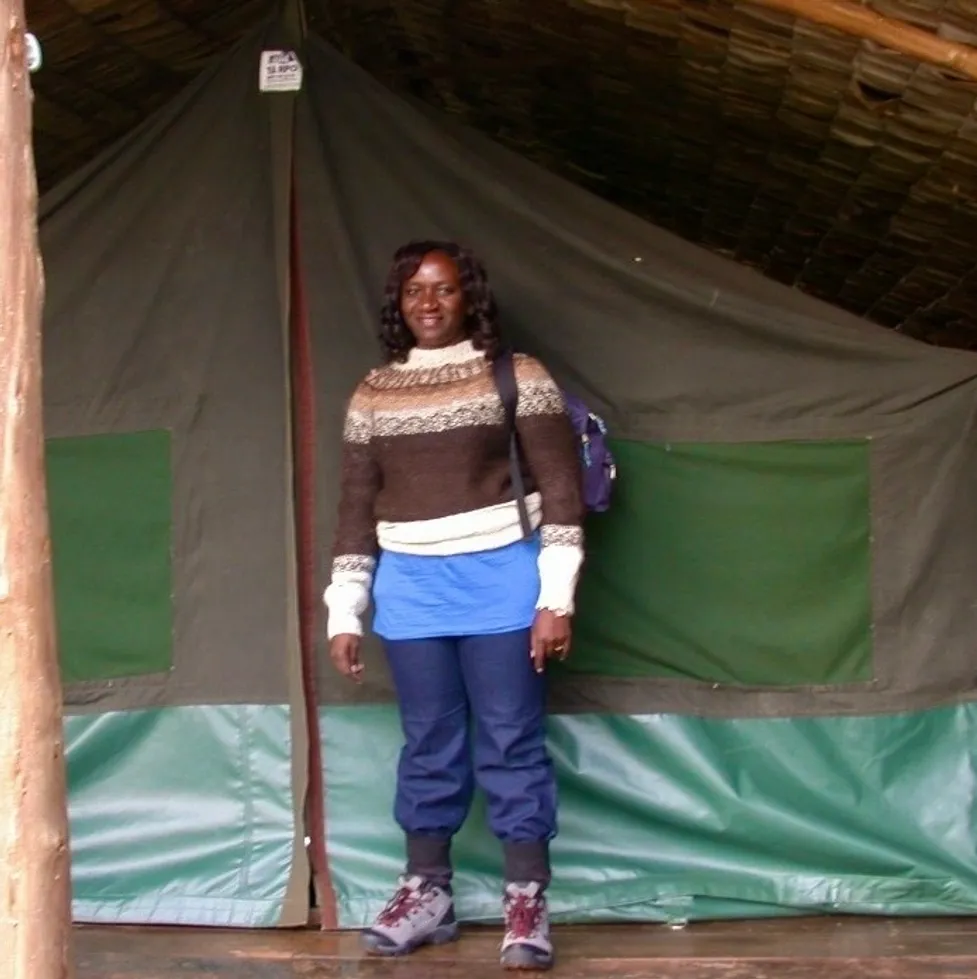
Ayebale Olive, co-founder of Olive Safari Uganda, brought over 20 years of community service experience into the world of tourism. As secretary to Entebbe’s Mayor, she honed her skills in program management and international partnerships, playing a key role in the Global Journey program that linked Uganda and Sweden.
It was through this program that she met Christer—three years after the passing of her first husband, while raising three children. United by a shared passion for travel and discovery, they founded Olive Safari Uganda in the early 2000s. Their commitment to exceptional service quickly set the company apart.
As demand grew, they expanded their vision by establishing Sunset Hotel Entebbe, creating a welcoming space for travelers exploring Uganda. Olive’s legacy lives on, shaping the company’s dedication to authentic and unforgettable safari experiences