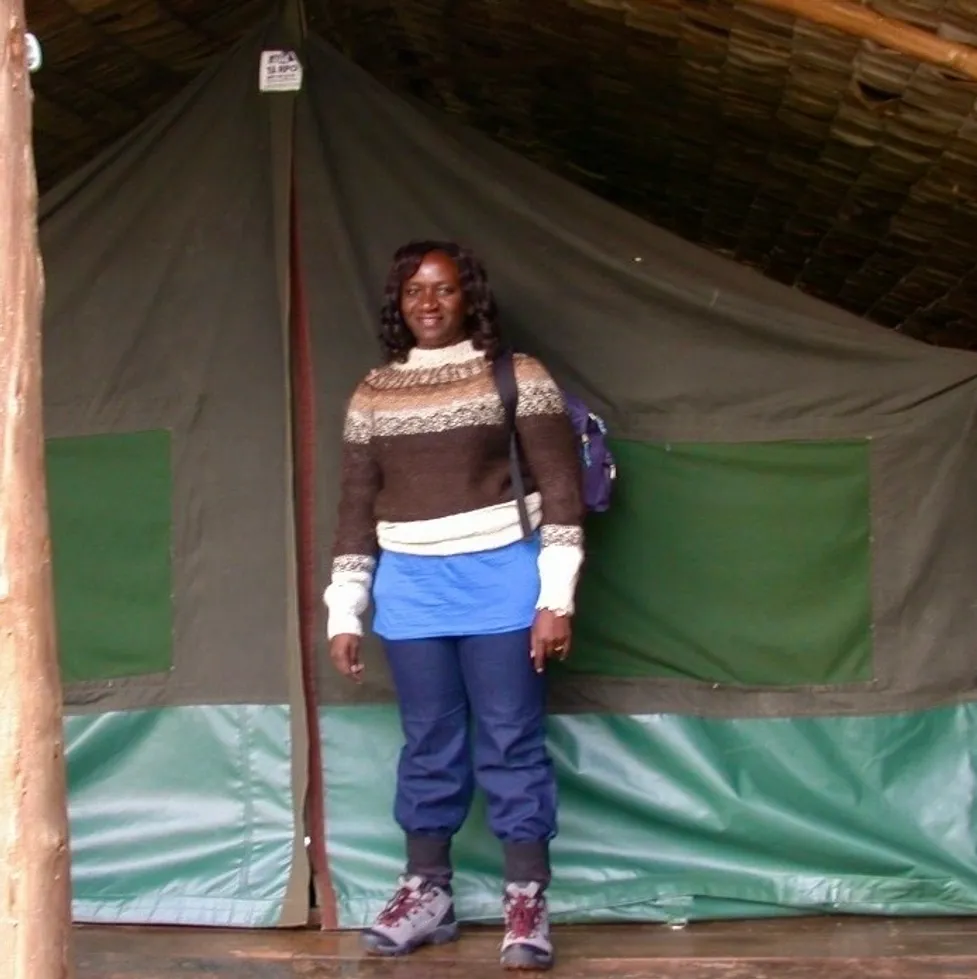
While Uganda is internationally celebrated for its mountain gorillas, spectacular landscapes and abundant wildlife, many travellers leave saying that the country’s greatest treasure is its people. Indeed, Uganda culture is one of the most rewarding parts of any safari here.
Often referred to as the Pearl of Africa, Uganda is also one of the continent’s most culturally diverse nations. It is home to more than 65 indigenous ethnic groups, each with its own language, traditions, music, cuisine and history. As a result, you can experience an extraordinary range of cultures within a relatively small area.
Despite this diversity, Uganda enjoys a strong sense of national identity. English and Swahili serve as official languages, while shared values of hospitality, respect and community help unite people across the country. Visitors consistently describe Ugandans as some of the warmest and friendliest people they meet anywhere in Africa.
You might be exploring the bustling streets of Kampala, hiking through villages around Bwindi, relaxing beside Lake Bunyonyi or visiting the remote plains of Karamoja. Wherever you are, you are likely to be welcomed with genuine smiles, friendly conversation and heartfelt curiosity.
The Spirit of Ugandan Hospitality
Hospitality is deeply woven into Ugandan society.
Guests are regarded with great respect. It is common to be warmly welcomed into homes, offered food or a drink, or greeted enthusiastically by complete strangers. Even in busy towns, it is considered polite to greet someone before asking a question or beginning a conversation.
You will quickly notice that Ugandans are generous with both their time and kindness. Conversations are rarely rushed, and people often take a genuine interest in where you have come from and how you are enjoying your stay.
In rural communities especially, children frequently wave excitedly at passing vehicles. Meanwhile, adults respond with cheerful greetings such as “You are welcome,” “How are you?” or simply “Welcome.”
This culture of friendliness is one of the reasons Uganda consistently receives praise from international visitors.
A Nation of Many Cultures
Uganda’s cultural diversity reflects centuries of migration and settlement.
The country’s ethnic groups belong primarily to four major linguistic families:
- Bantu, found mainly in central, western and southern Uganda.
- Nilotic, dominant in the north and north-east.
- Central Sudanic, mainly in the north-west.
- Kuliak, represented by small indigenous communities in the north-east.
Each group has developed its own traditions, architecture, music, storytelling, clothing, cuisine and ceremonies. Together, they contribute to Uganda’s shared national identity.
This cultural richness means that travelling across Uganda is not only a journey through changing landscapes but also through different histories and ways of life.
Traditional Kingdoms and Uganda Culture
One of Uganda’s most distinctive cultural features is that several of its ancient kingdoms still exist today as recognised cultural institutions.
Although Uganda is governed as a republic, these kingdoms remain important custodians of history, language, customs and traditional leadership.
The most prominent include:
- The Kingdom of Buganda
- The Kingdom of Bunyoro-Kitara
- The Kingdom of Toro
- The Kingdom of Busoga
Each kingdom has its own cultural monarch, royal traditions, ceremonies, palaces, symbols and historical sites.
For visitors, these kingdoms offer fascinating insight into centuries-old African governance long before European colonisation. Royal palaces, museums, cultural festivals and the UNESCO-listed Kasubi Royal Tombs all reveal these enduring traditions.
Music, Dance and Storytelling
Music is woven into everyday life throughout Uganda.
Traditional songs accompany weddings, harvest celebrations, religious ceremonies, royal events, births and community gatherings. Every region has developed its own distinctive dances, rhythms and instruments that reflect local history and identity.
Among the best-known cultural traditions are:
- The royal drum ensembles of Buganda.
- The energetic Bwola dance of the Acholi people.
- The graceful Runyege dance performed in western Uganda.
- The lively Tamenhaibuga dances of Ankole.
- The colourful Ekizino dance of the Bakiga.
- The jumping dances and warrior traditions of Karamoja.
Traditional instruments include large royal drums, xylophones, thumb pianos (lamellophones), flutes, horns, rattles and stringed instruments. Many of them are still played during festivals and ceremonies today.
Storytelling also remains an important part of Ugandan culture. Oral history has preserved legends, family histories, folklore and traditional knowledge for generations, with elders passing stories to younger members of the community.
Family and Community
Family lies at the heart of Ugandan society.
Many households consist of extended families rather than only parents and children. Grandparents, aunts, uncles and cousins all play active roles in daily life.
Communities often come together to support one another during weddings, funerals, harvests, building projects and times of need.
Respect for elders is deeply valued. Younger people are taught from an early age to greet older people politely, offer assistance and seek their guidance.
You will often notice that people introduce themselves carefully, enquire about each other’s families and value relationships before discussing business.
Traditional Ceremonies
Across Uganda, traditional ceremonies remain an important expression of cultural identity.
These may include:
- Traditional marriage ceremonies and bride introductions.
- Naming ceremonies for newborn children.
- Harvest celebrations.
- Coronations of cultural leaders.
- Initiation ceremonies.
- Seasonal festivals.
- Clan gatherings.
Many visitors are fortunate enough to witness these colourful events. They often feature traditional dress, dancing, singing, drumming, storytelling and elaborate feasts.
With permission and respectful behaviour, guests are usually welcome to observe or even participate.
Religion
Religion plays an important role in everyday life for many Ugandans.
The majority of the population is Christian, with both Roman Catholic and Anglican communities well represented. Islam is also widely practised, particularly in eastern Uganda and parts of Kampala. Smaller communities follow Hinduism, traditional African religions and other faiths.
Places of worship are found throughout the country, and religious festivals are celebrated with enthusiasm and respect.
You will often see churches and mosques standing side by side, reflecting Uganda’s tradition of religious coexistence.
Major Ethnic Groups
Although Uganda is home to more than 65 ethnic groups, several are particularly influential in shaping the country’s culture and history.
Baganda
The Baganda are Uganda’s largest ethnic group and form the majority population across central Uganda, including Kampala and Entebbe.
They are the people of the historic Kingdom of Buganda, and their language, Luganda, is the most widely spoken local language in the country. You will quickly become familiar with Luganda greetings and expressions, even though English remains widely used.
The Baganda are known for their rich royal traditions, bark cloth production, drumming and ceremonies centred on the Kabaka (King).
Banyankole
The Banyankole inhabit south-western Uganda and are closely associated with cattle keeping.
Their magnificent Ankole long-horned cattle, with sweeping horns sometimes measuring over two metres across, have become one of Uganda’s most recognisable cultural symbols.
If you travel through Lake Mburo National Park and the surrounding districts, you will often see these impressive herds grazing across the rolling hills.
Bakiga
Living in the cool highlands around Kabale and Kisoro, the Bakiga are renowned for their hard work and agricultural expertise.
Over generations, they transformed steep mountainsides into beautiful terraced farms where potatoes, beans, sorghum and vegetables are grown.
Many gorilla trekking visitors pass through Bakiga villages on their way to Bwindi and Mgahinga National Parks.
Basoga
The Basoga occupy eastern Uganda around Jinja and the northern shores of Lake Victoria.
Their homeland includes the famous Source of the Nile, fertile agricultural land and thriving fishing communities.
Traditional music and dance remain an important part of Basoga cultural life.
Batoro
The Batoro belong to the historic Kingdom of Toro, centred on the beautiful city of Fort Portal.
The region’s fertile volcanic soils, crater lakes, tea plantations and proximity to Kibale National Park make it one of Uganda’s most scenic destinations. In fact, many guests combine a cultural visit here with chimpanzee tracking.
You can explore the Tooro Palace and learn about one of Uganda’s most respected cultural monarchies.
Acholi and Langi
Northern Uganda is home to the Acholi and Langi, communities with rich oral traditions, distinctive music and energetic dances.
Storytelling, drumming and community celebrations remain central to cultural life. Meanwhile, northern Uganda’s expanding tourism industry lets you experience this often-overlooked part of the country.
Iteso
The Iteso live mainly in eastern Uganda around Soroti.
Traditionally known for farming and cattle keeping, they have developed rich musical traditions and colourful cultural ceremonies that continue to thrive today.
Bakonjo
The Bakonjo inhabit the foothills of the Rwenzori Mountains in western Uganda.
Their lives have long been shaped by the mountains, with farming, traditional beliefs and close connections to the dramatic landscape defining their culture.
If you trek in the Rwenzori Mountains or explore nearby communities, you will often meet Bakonjo guides and enjoy their cultural experiences.
Karimojong
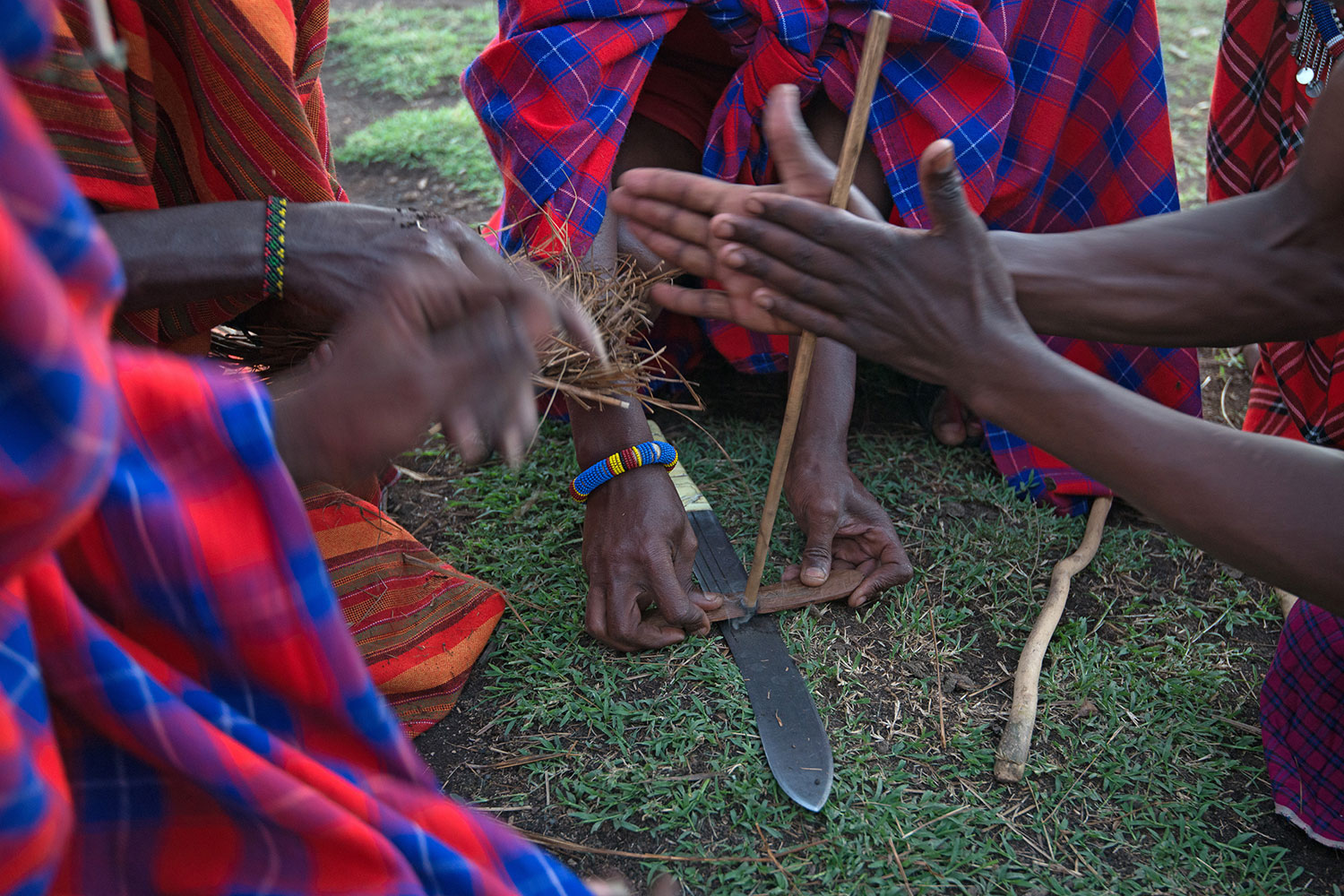
The Karimojong of north-eastern Uganda are among the country’s most distinctive pastoral communities.
Traditionally semi-nomadic cattle herders, they inhabit the rugged landscapes surrounding Kidepo Valley National Park and the Karamoja region.
Their colourful clothing, elaborate beadwork, traditional homesteads (manyattas) and strong cultural identity offer fascinating insight into one of East Africa’s oldest pastoral traditions.
Cultural Etiquette for Visitors
Understanding a few simple customs helps you connect more meaningfully with local communities.
- Always greet people before beginning a conversation.
- Ask permission before photographing individuals.
- Dress modestly when visiting villages, places of worship or cultural sites.
- Accept hospitality graciously if offered.
- Use your right hand when giving or receiving items whenever possible.
- Be patient, because relationships are often valued more highly than strict schedules.
Experiencing Uganda Culture on Safari
One of the joys of travelling in Uganda is that culture is not confined to museums or performances. Instead, it is part of everyday life. You might share a meal in a village home, learn traditional drumming, visit a royal palace or watch dancers at a local festival. Such encounters often become the most memorable moments of a journey.
Combined with extraordinary wildlife and breathtaking landscapes, Uganda’s cultural diversity offers a richer, more personal travel experience. It is this blend of authentic human connection and natural beauty that leaves so many travellers eager to return. Explore our Uganda destination guide or browse our safari tours to find a route that suits you.
Frequently Asked Questions
How many ethnic groups live in Uganda?
Uganda is home to more than 65 indigenous ethnic groups, each with its own language and traditions.
What languages are spoken in Uganda?
English and Swahili are the official languages. Luganda is the most widely spoken local language.
Can I add cultural visits to a wildlife safari?
Yes. Community walks, village visits and dance performances fit easily around gorilla treks and game drives.
Would you like to experience Uganda’s people as well as its wildlife? Contact us and we will weave meaningful cultural encounters into your safari.