Why Rwanda Has Become Africa’s Luxury Safari Capital
July 6, 2026
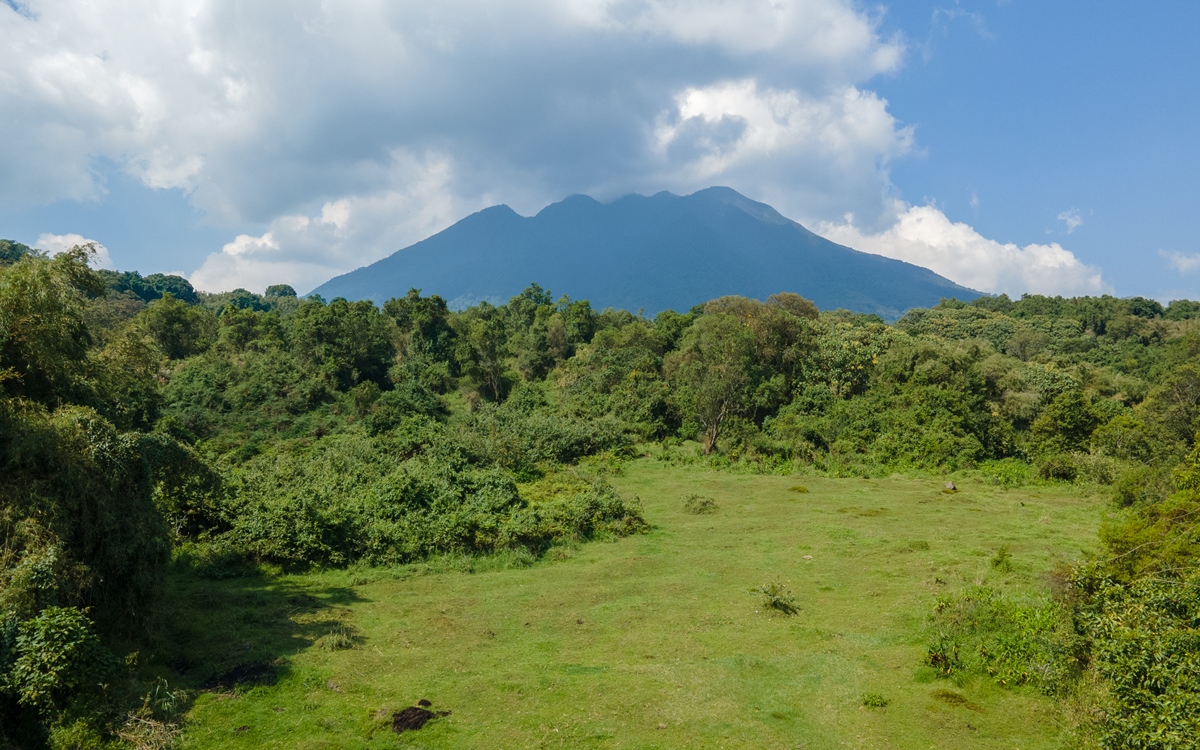
One of Uganda’s greatest advantages as a safari destination is that it can be visited at any time of the year. Thanks to its equatorial location and relatively high altitude, the country enjoys a pleasant climate throughout the year without the extreme heat experienced in many other African safari destinations.
Unlike countries where wildlife viewing is limited to a short season, Uganda offers exceptional experiences year-round. Mountain gorillas can be tracked in every month, wildlife remains active throughout the year, and many national parks retain their lush green landscapes regardless of the season.
The best time to visit ultimately depends on what you want to experience. Some travellers prioritise dry hiking trails for gorilla trekking, others prefer quieter parks and lower prices, while birdwatchers often plan their trips around migration and breeding seasons.
Fortunately, there is no wrong time to visit the Pearl of Africa.
Uganda experiences two main dry seasons:
These are generally considered the best months for most safari activities.
During the dry seasons:
These months are also Uganda’s busiest tourism season, particularly around Christmas, New Year, and the European summer holidays.
If you’re travelling during these periods, it is advisable to book gorilla permits, accommodation, and domestic flights several months in advance.
Uganda has two rainy seasons:
Rainfall usually arrives as afternoon or evening showers rather than continuous rain throughout the day, and there are still many sunny periods.
Although some forest trails become muddier and unpaved roads can be more challenging, the rainy seasons offer several advantages:
Many experienced travellers actually prefer the rainy seasons because Uganda appears at its most vibrant and colourful.
Mountain gorilla trekking is possible every month of the year.
The gorillas do not migrate or hibernate, and habituated families are monitored daily by experienced trackers.
However, trail conditions vary with the seasons.
These months usually offer:
Travelling during:
can be particularly rewarding.
These months often feature:
As of 2027, Uganda also offers discounted gorilla trekking permits for foreign non-residents during April, May, and November, making these excellent months for travellers seeking better value without compromising the quality of the experience.
Chimpanzees can also be tracked throughout the year, particularly in Kibale National Park, Budongo Forest, and Kyambura Gorge.
Dry months generally make hiking easier, but chimpanzee sightings remain excellent year-round.
During wetter months, fruiting trees can influence where chimpanzees spend their time, occasionally necessitating longer walks to locate a community.
Uganda’s classic savannah parks, including Murchison Falls National Park, Queen Elizabeth National Park, Kidepo Valley National Park, and Lake Mburo National Park offer rewarding wildlife viewing throughout the year.
Dry Season (Best Overall)
June–August and December–February are often considered the best months for game drives because:
These conditions improve the chances of spotting lions, elephants, buffalo, giraffes, leopards, and many antelope species.
Green Season
During the rainy months, wildlife remains abundant, but the parks become spectacularly green.
Many herbivores give birth during this period, attracting predators and creating fascinating wildlife interactions.
Photography also benefits from:
Uganda is regarded as one of the world’s finest birding destinations, and excellent birdwatching is possible throughout the year.
However, different seasons offer different highlights.
March to May
This period coincides with the breeding season for many resident bird species.
Birds display their brightest breeding plumage, become more vocal, and are often easier to locate.
November to April
During these months, Uganda welcomes numerous migratory birds arriving from Europe and northern Asia.
Combined with its resident species, this creates exceptional bird diversity throughout the country.
For keen birdwatchers, these months are among the very best times to visit.
Photographers often discover that Uganda’s “green season” produces some of the country’s most beautiful images.
Benefits include:
Wildlife photography also benefits from cleaner air, reduced dust, and lush natural backgrounds.
The trade-off is that some trails and roads may become muddy after heavy rain.
Travellers looking for better value should consider visiting during the rainy seasons.
Many lodges offer:
Because visitor numbers are lower, travellers often enjoy a more exclusive experience despite occasional rain.
The combination of discounted accommodation and Uganda’s seasonal gorilla permit pricing during April, May, and November can significantly reduce the overall cost of a safari.
Families travelling with children often prefer the dry seasons.
These months offer:
School holiday periods in Europe and North America also coincide with Uganda’s peak safari season, making early booking especially important.
For honeymooners and luxury travellers, Uganda is beautiful throughout the year.
Many couples choose the dry seasons for their combination of sunny weather, comfortable travel conditions, and spectacular wildlife viewing.
Luxury lodges also tend to be busiest during these periods, so early reservations are highly recommended.
Travelling during the shoulder seasons can provide an even more intimate experience, with fewer guests, lush scenery, and exceptional photographic opportunities.
Month-by-Month Guide
Months | Weather | Best For |
January – February | Dry and sunny | Gorilla trekking, wildlife safaris, and photography |
March – May | Long rainy season | Birdwatching, lush scenery, budget travel, discounted gorilla permits (April & May) |
June – August | Dry season | Gorilla trekking, game drives, family holidays, peak safari season |
September – October | Short rains begin | Green landscapes, photography, quieter parks |
November | Short rainy season | Birdwatching, fewer visitors, discounted gorilla permits |
December | Dry season returns | Wildlife, gorilla trekking, festive holidays |
The truth is that there is no single “best” time to visit Uganda, only the best time for the experience you want.
If your priority is gorilla trekking and classic safari conditions, the dry seasons from June to August and December to February offer the easiest travel and hiking. If you prefer fewer crowds, lush green landscapes, excellent photography, and better value, the rainy seasons can be equally rewarding. Birdwatchers will find Uganda exceptional throughout the year, particularly during the breeding and migratory seasons, while photographers often favour the dramatic skies and vibrant colours of the green months.
No matter when you choose to visit, Uganda’s extraordinary biodiversity, welcoming people, and year-round wildlife ensure an unforgettable journey. The key is simply to choose the season that best matches your interests—and to book your gorilla permits and accommodation well in advance, especially during peak travel months.
With our exceptional personalised safaris throughout East Africa, you will have the opportunity to enjoy the debut wildlife safaris in Tanzania, magical gorilla trekking in Uganda and Rwanda, and experiential cultural tours that take you to the soul of Africa.
Yes. Uganda is generally considered one of East Africa’s safest destinations for tourism, and the vast majority of visitors enjoy a trouble-free holiday. Popular tourist areas, including national parks and gorilla trekking destinations, are well established and regularly visited by travellers from around the world. As with any destination, take sensible precautions against petty theft, avoid displaying valuables in busy places, and always follow the advice of your guide and park rangers.
Yes. US dollars are widely accepted throughout Uganda’s tourism industry, including safari lodges, wildlife permits, and many tour operators. Bring clean, undamaged banknotes issued from 2013 onwards, as older notes are often refused or exchanged at less favorable rates.
Most visitors require a visa before entering Uganda. The most common option is the online Tourist e-Visa, while travellers combining Uganda, Kenya, and Rwanda may benefit from the East African Tourist Visa. Always check the latest visa requirements for your nationality before travelling.
Uganda can be visited throughout the year.
The dry seasons (June–August and December–February) are generally preferred for gorilla trekking and wildlife safaris, while the rainy seasons offer lush landscapes, fewer visitors, excellent birdwatching, and lower prices.
Uganda can be visited throughout the year.
The dry seasons (June–August and December–February) are generally preferred for gorilla trekking and wildlife safaris, while the rainy seasons offer lush landscapes, fewer visitors, excellent birdwatching, and lower prices.
Mountain gorillas can be tracked every month of the year. The dry seasons provide easier hiking conditions, while April, May, and November often offer quieter trails and discounted gorilla permits.
Gorilla permits are limited and can sell out months in advance, particularly during peak travel seasons. Booking early through a licensed tour operator is the best way to secure your preferred trekking date. Once you have a permit, the chances of successfully seeing gorillas are extremely high.
Most visitors with a reasonable level of fitness successfully complete the trek. Walks can last anywhere from one to six hours depending on where the gorillas are located that day. The terrain may be steep, muddy, and uneven, but experienced guides adjust the pace to suit the group.
No. The minimum age for gorilla trekking in Uganda is 15 years. This rule protects both visitors and the gorillas while ensuring participants can safely complete the trek.
Absolutely. Game drives, boat cruises, cultural visits, and many lodges are excellent for families. Some activities have age restrictions, so discuss your itinerary with your tour operator when planning your trip.
Uganda is one of the world’s premier birding destinations. With more than 1,090 recorded bird species, including the famous shoebill, Albertine Rift endemics, and numerous migratory species, birdwatchers from around the globe travel here each year.
Yes. Several companies rent 4×4 vehicles for independent travel. However, road conditions, navigation, and driving in national parks can be challenging, so most visitors prefer travelling with an experienced driver-guide.
Yes. Many travellers combine Uganda’s gorilla trekking with Rwanda’s Volcanoes National Park, Kigali, or Akagera National Park. Cross-border safaris are straightforward when arranged through a licensed tour operator.
Yes. Many travellers combine Uganda’s gorilla trekking with Rwanda’s Volcanoes National Park, Kigali, or Akagera National Park. Cross-border safaris are straightforward when arranged through a licensed tour operator.
WhatsApp us
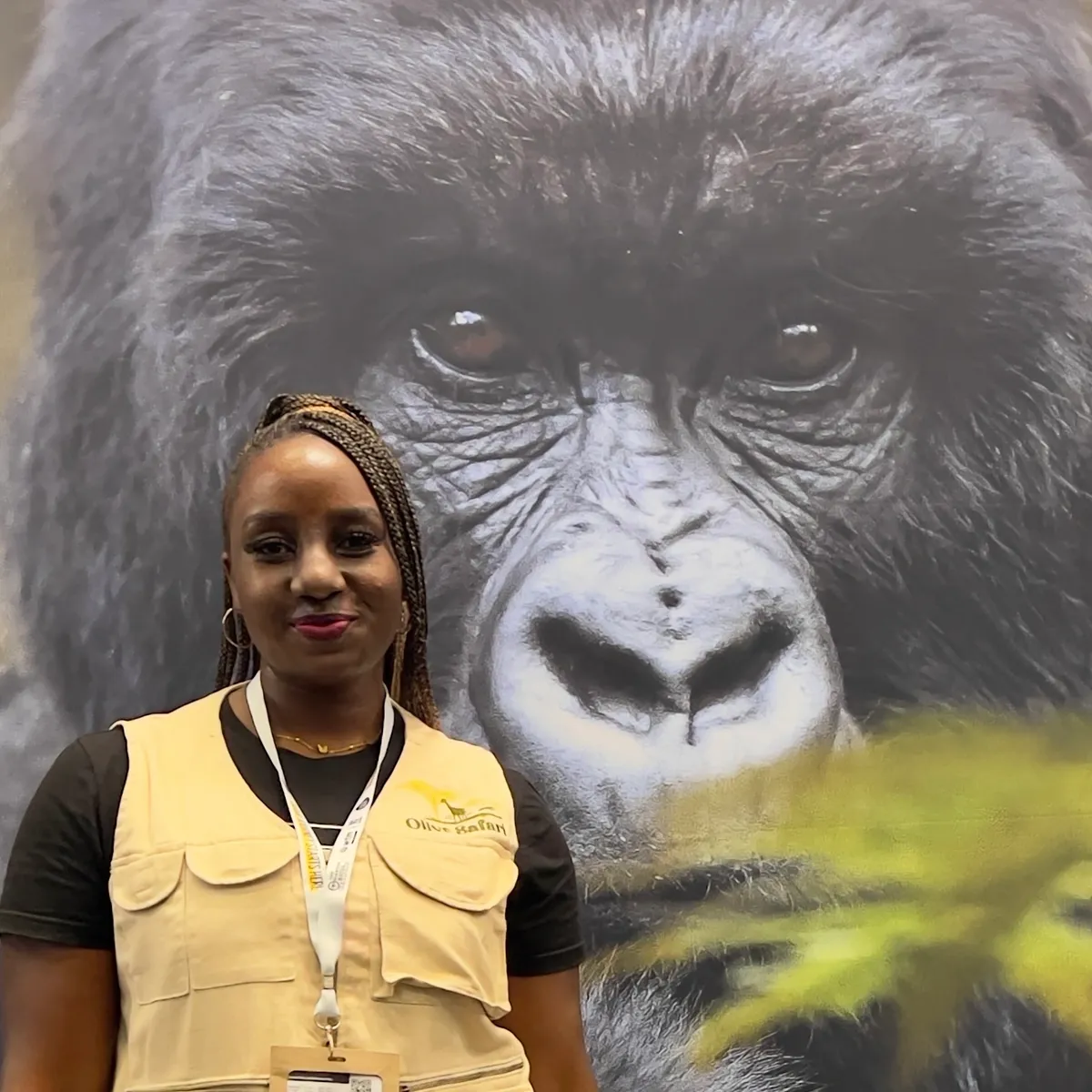
Cheryl, the eldest daughter of Olive, has embraced the responsibility of carrying forward her mother’s legacy with resilience and determination. After losing her father at the age of six, she was raised by her mother, Olive, with the support of Christer. Olive’s passing in 2017, when Cheryl was just 19, became a defining moment in her journey.
Having been involved in the foundations of Sunset Hotel Entebbe and Olive Safari Uganda from a young age, Cheryl stepped up to manage the businesses alongside Christer. Under his mentorship, she navigated the complexities of entrepreneurship and discovered her passion for tourism.
With a Master’s degree in Business Administration and hands-on leadership, Cheryl has been instrumental in maintaining loyal clientele at Sunset Hotel Entebbe, adapting it to post-COVID standards, and expanding Olive Safari Uganda. As a certified tour guide for Uganda, Tanzania and Zanzibar, she remains committed to upholding her mother’s vision of exceptional service and unforgettable travel experiences.
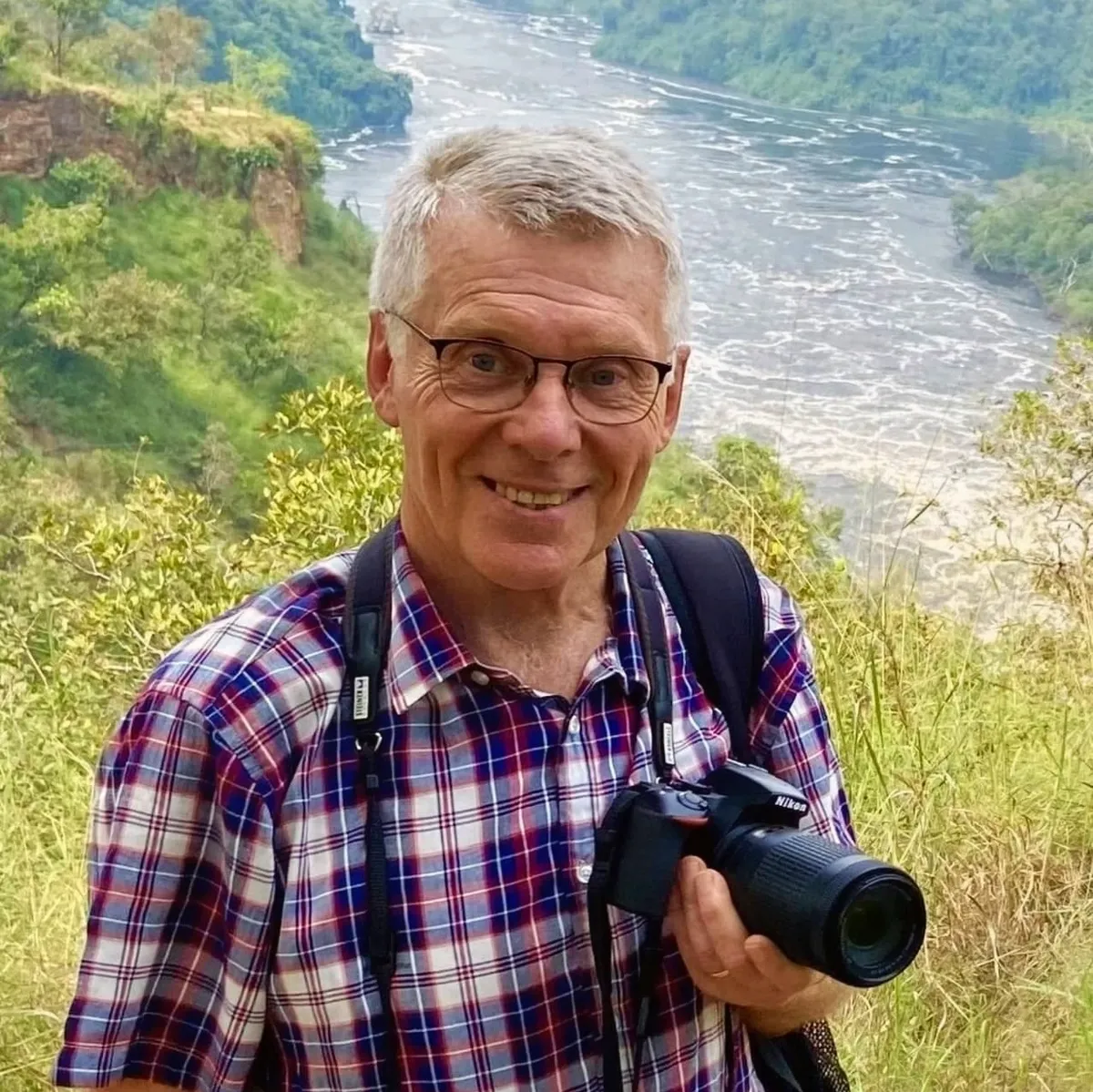
Christer, a Swedish education consultant with over 40 years of experience guiding travelers across Africa, co-founded Olive Safari Uganda with a deep passion for the continent’s wonders. His extensive journeying, particularly through Zimbabwe, Uganda, Tanzania, and Kenya, enriched his understanding of Africa’s landscapes and cultures. As a consultant, he also contributed to education and development, notably establishing an automotive school in Zimbabwe. His work with the Global Journey program brought him to Uganda, where he collaborated with municipalities and fell in love with the country’s heritage.
During this time, he met Olive, whose exceptional leadership and organizational skills later turned their professional relationship into a personal one. Their shared vision led to the creation of Olive Safari Uganda in the early 2000s, followed later by Sunset Hotel Entebbe. While Christer split his time in Sweden managing the Global Journey program, Olive oversaw daily operations. Today, Olive Safari Uganda embodies Christer’s seasoned expertise as a guide and strategic insight, paired with Olive’s dedication, delivering outstanding safaris that showcase Uganda’s beauty and beyond.
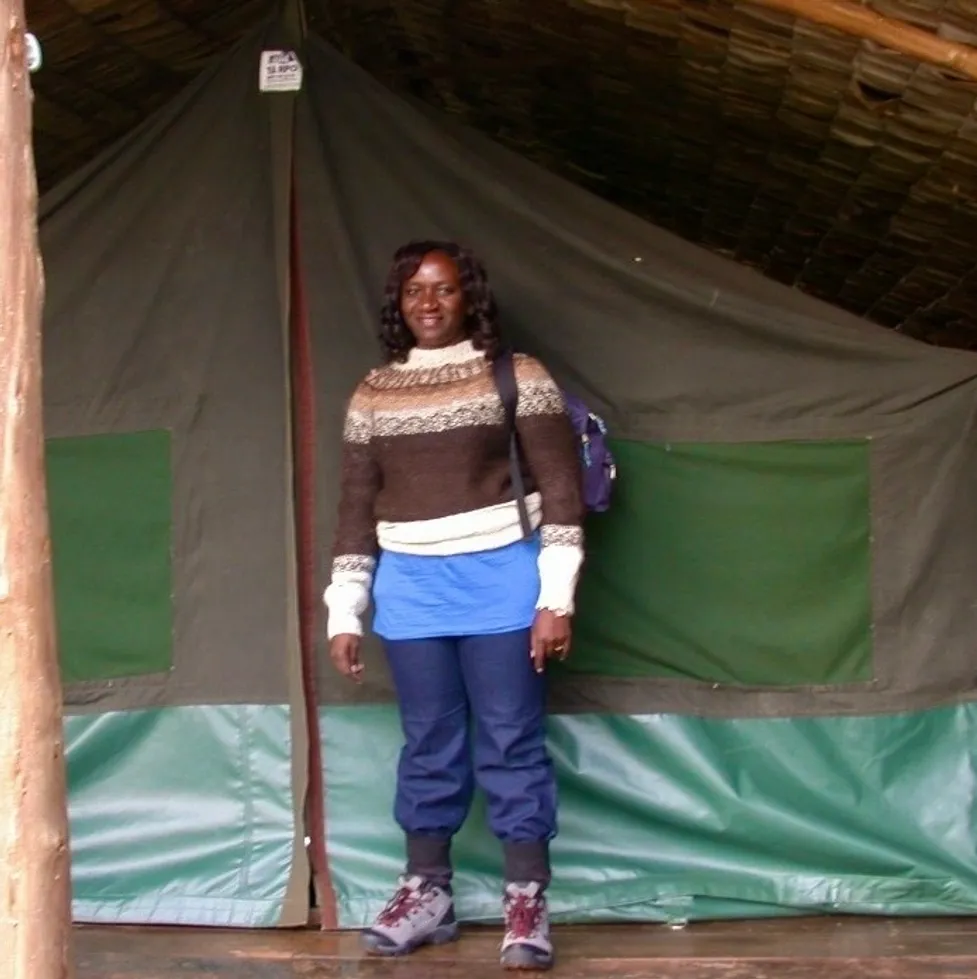
Ayebale Olive, co-founder of Olive Safari Uganda, brought over 20 years of community service experience into the world of tourism. As secretary to Entebbe’s Mayor, she honed her skills in program management and international partnerships, playing a key role in the Global Journey program that linked Uganda and Sweden.
It was through this program that she met Christer—three years after the passing of her first husband, while raising three children. United by a shared passion for travel and discovery, they founded Olive Safari Uganda in the early 2000s. Their commitment to exceptional service quickly set the company apart.
As demand grew, they expanded their vision by establishing Sunset Hotel Entebbe, creating a welcoming space for travelers exploring Uganda. Olive’s legacy lives on, shaping the company’s dedication to authentic and unforgettable safari experiences