Why Rwanda Has Become Africa’s Luxury Safari Capital
July 10, 2026
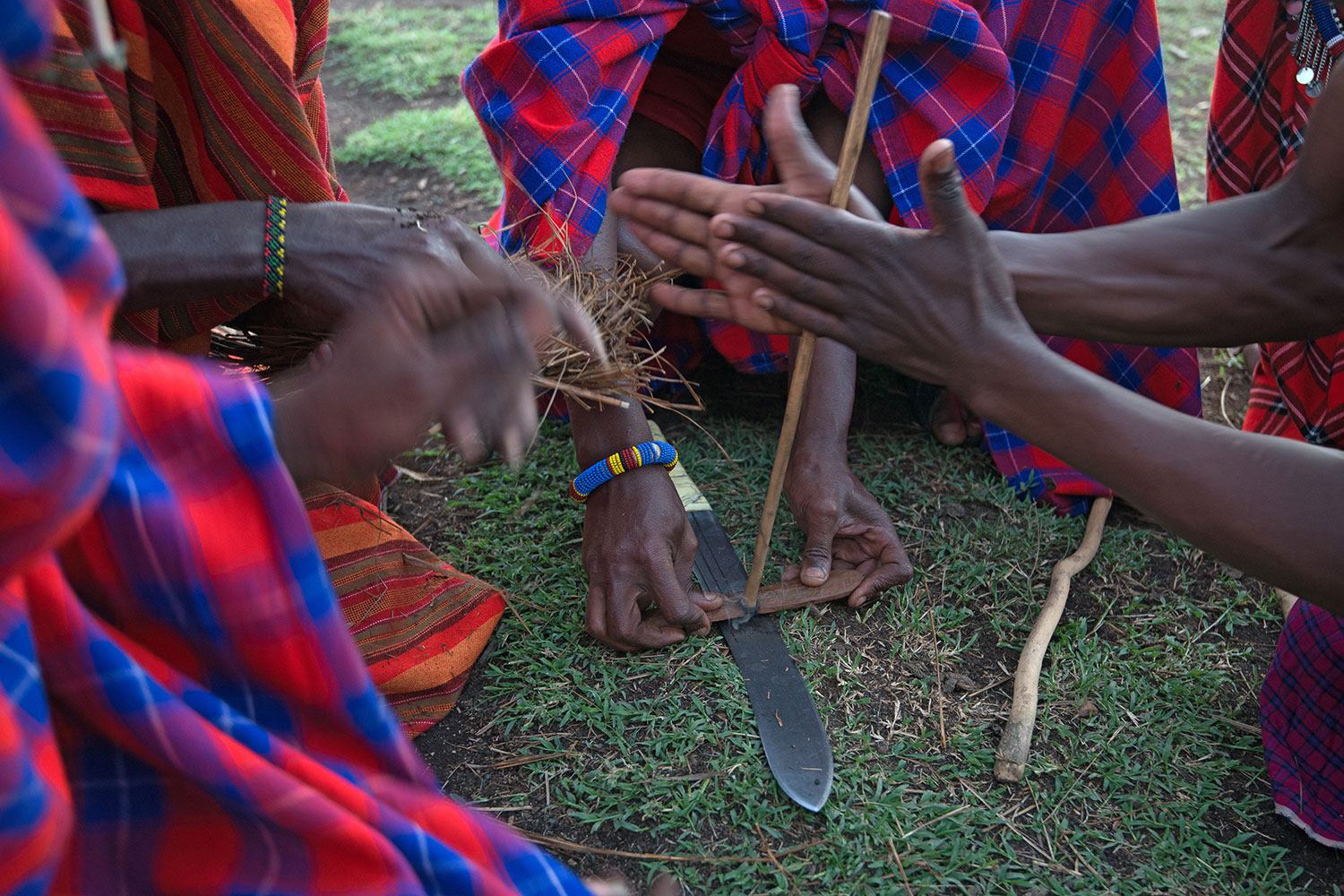
While Uganda is internationally celebrated for its mountain gorillas, spectacular landscapes, and abundant wildlife, many travellers leave saying that the country’s greatest treasure is its people.
Often referred to as the Pearl of Africa, Uganda is also one of the continent’s most culturally diverse nations. Home to more than 65 indigenous ethnic groups, each with its own language, traditions, music, cuisine, and history, Uganda offers visitors the rare opportunity to experience an extraordinary range of cultures within a relatively small geographical area.
Despite this diversity, Uganda enjoys a strong sense of national identity. English and Swahili serve as official languages, while shared values of hospitality, respect, and community help unite people across the country. Visitors consistently describe Ugandans as some of the warmest and friendliest people they meet anywhere in Africa.
Whether you are exploring the bustling streets of Kampala, hiking through villages around Bwindi, relaxing beside Lake Bunyonyi, or visiting the remote plains of Karamoja, you are likely to be welcomed with genuine smiles, friendly conversation, and heartfelt curiosity.
Hospitality is deeply woven into Ugandan society.
Guests are regarded with great respect, and it is common to be warmly welcomed into homes, offered food or a drink, or greeted enthusiastically by complete strangers. Even in busy towns, it is considered polite to greet someone before asking a question or beginning a conversation.
Visitors quickly notice that Ugandans are generous with both their time and kindness. Conversations are rarely rushed, and people often take genuine interest in where visitors have come from and how they are enjoying their stay.
In rural communities especially, children frequently wave excitedly at passing vehicles, while adults respond with cheerful greetings such as “You are welcome,” “How are you?” or simply “Welcome.”
This culture of friendliness is one of the reasons Uganda consistently receives praise from international visitors.
Uganda’s cultural diversity reflects centuries of migration and settlement.
The country’s ethnic groups belong primarily to four major linguistic families:
Each group has developed its own traditions, architecture, music, storytelling, clothing, cuisine, and ceremonies while contributing to Uganda’s shared national identity.
This cultural richness means that travelling across Uganda is not only a journey through changing landscapes but also through different histories and ways of life.
One of Uganda’s most distinctive cultural features is that several of its ancient kingdoms continue to exist today as recognised cultural institutions.
Although Uganda is governed as a republic, these kingdoms remain important custodians of history, language, customs, and traditional leadership.
The most prominent include:
Each kingdom has its own cultural monarch, royal traditions, ceremonies, palaces, symbols, and historical sites.
For visitors, these kingdoms provide fascinating opportunities to learn about centuries-old African governance long before European colonisation. Royal palaces, museums, cultural festivals, and the UNESCO-listed Kasubi Royal Tombs all offer insight into these enduring traditions.
Music is woven into everyday life throughout Uganda.
Traditional songs accompany weddings, harvest celebrations, religious ceremonies, royal events, births, and community gatherings. Every region has developed its own distinctive dances, rhythms, and instruments that reflect local history and identity.
Among the best-known cultural traditions are:
Traditional instruments include large royal drums, xylophones, thumb pianos (lamellophones), flutes, horns, rattles, and stringed instruments, many of which continue to be played during festivals and ceremonies today.
Storytelling also remains an important part of Ugandan culture. Oral history has preserved legends, family histories, folklore, and traditional knowledge for generations, with elders passing stories to younger members of the community.
Family lies at the heart of Ugandan society.
Many households consist of extended families rather than only parents and children, with grandparents, aunts, uncles, and cousins all playing active roles in daily life.
Communities often come together to support one another during weddings, funerals, harvests, building projects, and times of need.
Respect for elders is deeply valued, and younger people are taught from an early age to greet older people politely, offer assistance, and seek their guidance.
Visitors will often notice that people introduce themselves carefully, enquire about each other’s families, and place great importance on relationships before discussing business.
Across Uganda, traditional ceremonies remain an important expression of cultural identity.
These may include:
Many visitors are fortunate enough to witness these colourful events, which often feature traditional dress, dancing, singing, drumming, storytelling, and elaborate feasts.
With permission and respectful behaviour, guests are usually welcomed to observe or even participate.
Religion plays an important role in everyday life for many Ugandans.
The majority of the population is Christian, with both Roman Catholic and Anglican communities well represented. Islam is also widely practised, particularly in eastern Uganda and parts of Kampala, while smaller communities follow Hinduism, traditional African religions, and other faiths.
Places of worship are found throughout the country, and religious festivals are celebrated with enthusiasm and respect.
Visitors will often notice churches and mosques standing side by side, reflecting Uganda’s tradition of religious coexistence.
Although Uganda is home to more than 65 ethnic groups, several are particularly influential in shaping the country’s culture and history.
The Baganda are Uganda’s largest ethnic group and form the majority population across central Uganda, including Kampala and Entebbe.
They are the people of the historic Kingdom of Buganda, and their language, Luganda, is the most widely spoken local language in the country. Visitors quickly become familiar with Luganda greetings and expressions, even if English remains widely used.
The Baganda are known for their rich royal traditions, bark cloth production, drumming, and ceremonies centred around the Kabaka (King).
The Banyankole inhabit southwestern Uganda and are closely associated with cattle keeping.
Their magnificent Ankole long-horned cattle, with sweeping horns sometimes measuring over two metres across, have become one of Uganda’s most recognisable cultural symbols.
Visitors travelling through Lake Mburo National Park and surrounding districts often see these impressive herds grazing across the rolling hills.
Living in the cool highlands around Kabale and Kisoro, the Bakiga are renowned for their hard work and agricultural expertise.
Over generations, they transformed steep mountainsides into beautiful terraced farms where potatoes, beans, sorghum, and vegetables are cultivated.
Many gorilla trekking visitors pass through Bakiga villages on their way to Bwindi and Mgahinga National Parks.
The Basoga occupy eastern Uganda around Jinja and the northern shores of Lake Victoria.
Their homeland includes the famous Source of the Nile, fertile agricultural land, and thriving fishing communities.
Traditional music and dance remain an important part of Basoga cultural life.
The Batoro belong to the historic Kingdom of Toro, centred around the beautiful city of Fort Portal.
The region’s fertile volcanic soils, crater lakes, tea plantations, and proximity to Kibale National Park make it one of Uganda’s most scenic destinations.
Visitors can explore the Tooro Palace and learn about one of Uganda’s most respected cultural monarchies.
Northern Uganda is home to the Acholi and Langi, communities with rich oral traditions, distinctive music, and energetic dances.
Storytelling, drumming, and community celebrations remain central to cultural life, while northern Uganda’s expanding tourism industry allows visitors to experience this often-overlooked part of the country.
The Iteso live mainly in eastern Uganda around Soroti.
Traditionally known for farming and cattle keeping, they have developed rich musical traditions and colourful cultural ceremonies that continue to thrive today.
The Bakonjo inhabit the foothills of the Rwenzori Mountains in western Uganda.
Their lives have long been shaped by the mountains, with farming, traditional beliefs, and close connections to the dramatic landscape defining their culture.
Visitors trekking in the Rwenzori Mountains or exploring nearby communities often encounter Bakonjo guides and cultural experiences.
The Karimojong of northeastern Uganda are among the country’s most distinctive pastoral communities.
Traditionally semi-nomadic cattle herders, they inhabit the rugged landscapes surrounding Kidepo Valley National Park and the Karamoja region.
Their colourful clothing, elaborate beadwork, traditional homesteads (manyattas), and strong cultural identity provide visitors with a fascinating insight into one of East Africa’s oldest pastoral traditions.
Understanding a few simple customs can help visitors connect more meaningfully with local communities.
One of the joys of travelling in Uganda is that culture is not confined to museums or performances—it is part of everyday life. From sharing a meal in a village home and learning traditional drumming to visiting a royal palace or watching dancers perform at a local festival, cultural encounters often become some of the most memorable moments of a journey.
Combined with its extraordinary wildlife and breathtaking landscapes, Uganda’s cultural diversity offers visitors a richer, more personal travel experience. It is this blend of authentic human connection and natural beauty that leaves so many travellers eager to return.
With our exceptional personalised safaris throughout East Africa, you will have the opportunity to enjoy the debut wildlife safaris in Tanzania, magical gorilla trekking in Uganda and Rwanda, and experiential cultural tours that take you to the soul of Africa.
WhatsApp us
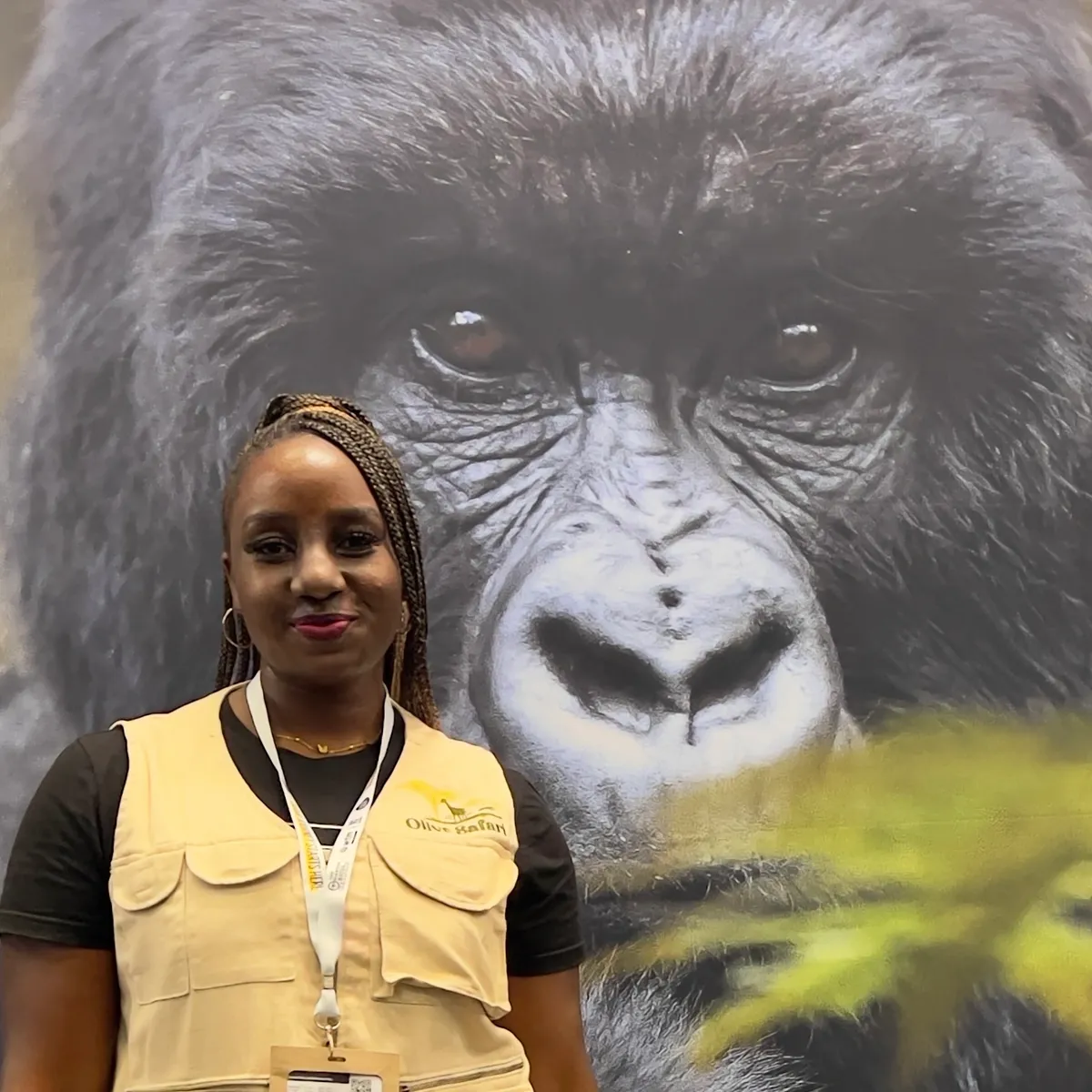
Cheryl, the eldest daughter of Olive, has embraced the responsibility of carrying forward her mother’s legacy with resilience and determination. After losing her father at the age of six, she was raised by her mother, Olive, with the support of Christer. Olive’s passing in 2017, when Cheryl was just 19, became a defining moment in her journey.
Having been involved in the foundations of Sunset Hotel Entebbe and Olive Safari Uganda from a young age, Cheryl stepped up to manage the businesses alongside Christer. Under his mentorship, she navigated the complexities of entrepreneurship and discovered her passion for tourism.
With a Master’s degree in Business Administration and hands-on leadership, Cheryl has been instrumental in maintaining loyal clientele at Sunset Hotel Entebbe, adapting it to post-COVID standards, and expanding Olive Safari Uganda. As a certified tour guide for Uganda, Tanzania and Zanzibar, she remains committed to upholding her mother’s vision of exceptional service and unforgettable travel experiences.
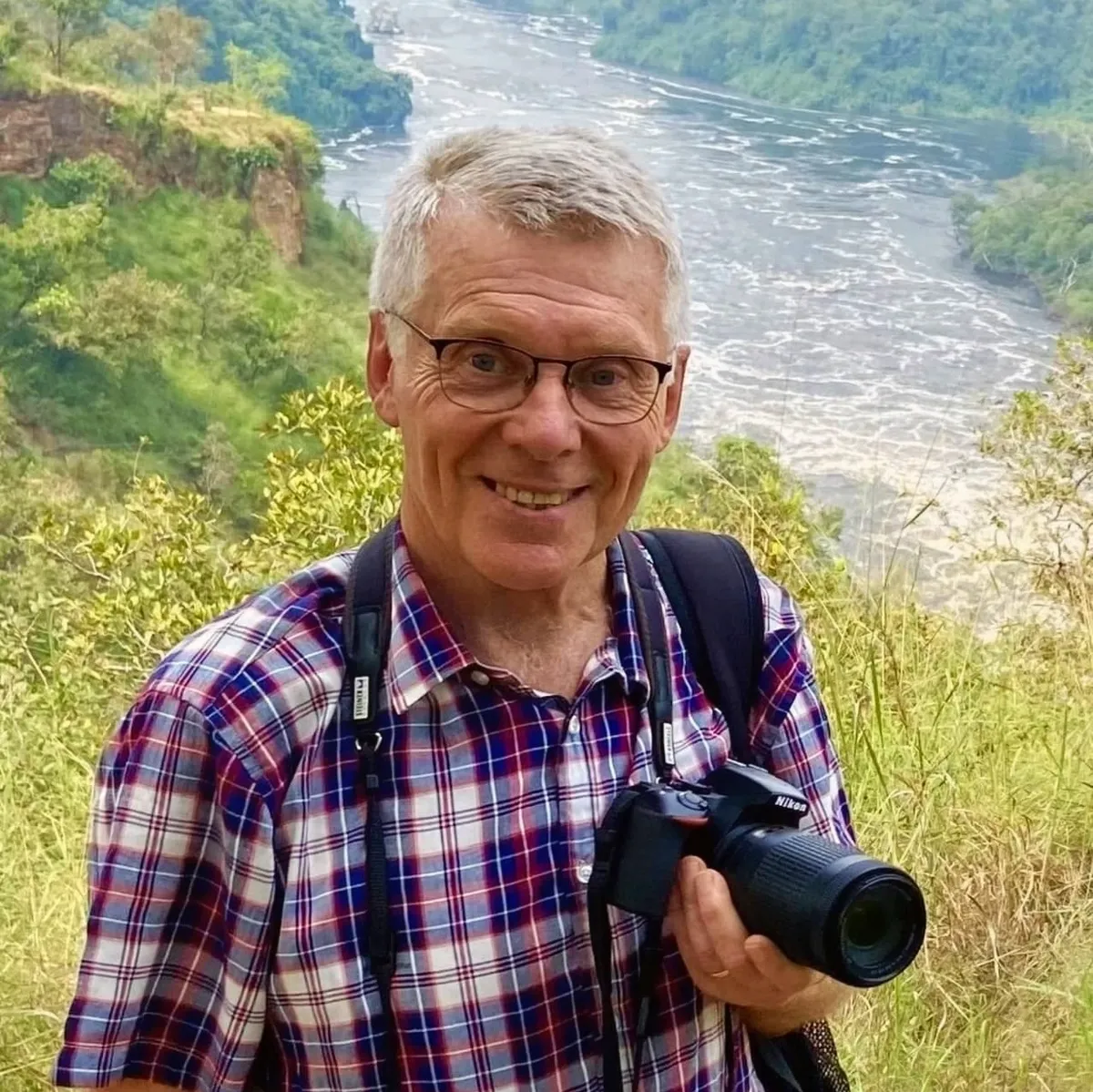
Christer, a Swedish education consultant with over 40 years of experience guiding travelers across Africa, co-founded Olive Safari Uganda with a deep passion for the continent’s wonders. His extensive journeying, particularly through Zimbabwe, Uganda, Tanzania, and Kenya, enriched his understanding of Africa’s landscapes and cultures. As a consultant, he also contributed to education and development, notably establishing an automotive school in Zimbabwe. His work with the Global Journey program brought him to Uganda, where he collaborated with municipalities and fell in love with the country’s heritage.
During this time, he met Olive, whose exceptional leadership and organizational skills later turned their professional relationship into a personal one. Their shared vision led to the creation of Olive Safari Uganda in the early 2000s, followed later by Sunset Hotel Entebbe. While Christer split his time in Sweden managing the Global Journey program, Olive oversaw daily operations. Today, Olive Safari Uganda embodies Christer’s seasoned expertise as a guide and strategic insight, paired with Olive’s dedication, delivering outstanding safaris that showcase Uganda’s beauty and beyond.
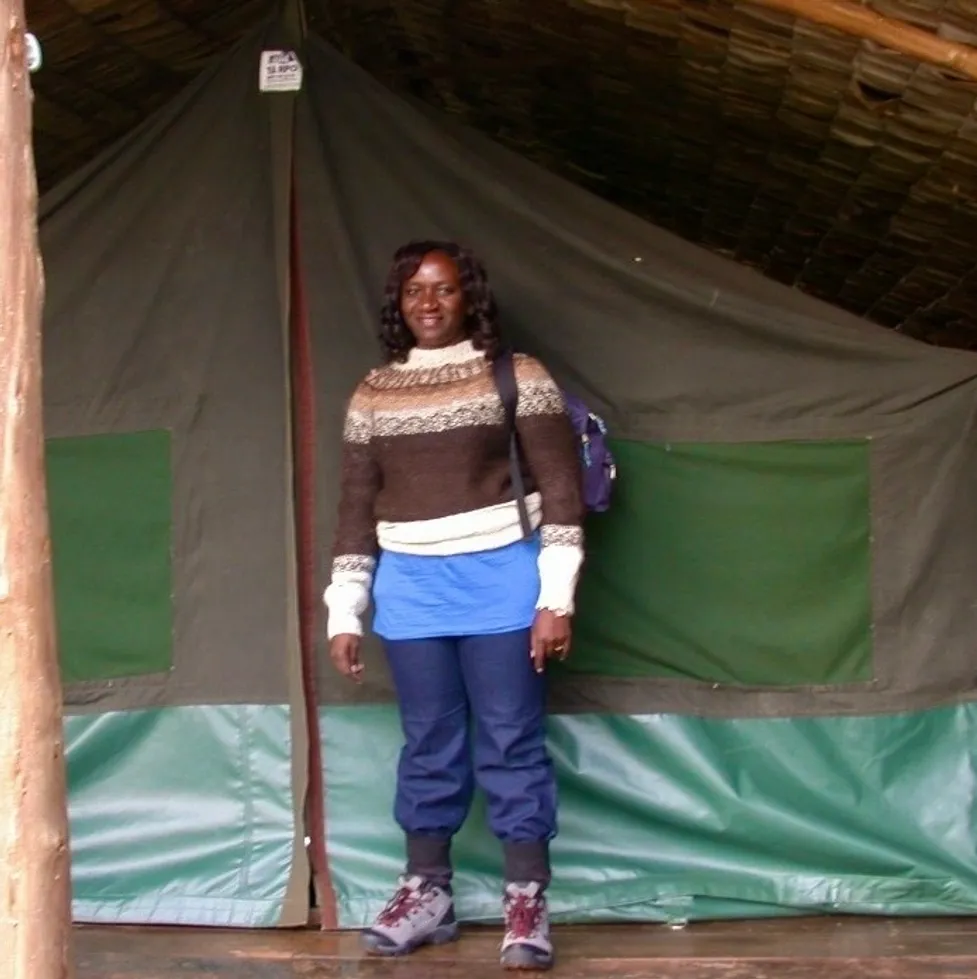
Ayebale Olive, co-founder of Olive Safari Uganda, brought over 20 years of community service experience into the world of tourism. As secretary to Entebbe’s Mayor, she honed her skills in program management and international partnerships, playing a key role in the Global Journey program that linked Uganda and Sweden.
It was through this program that she met Christer—three years after the passing of her first husband, while raising three children. United by a shared passion for travel and discovery, they founded Olive Safari Uganda in the early 2000s. Their commitment to exceptional service quickly set the company apart.
As demand grew, they expanded their vision by establishing Sunset Hotel Entebbe, creating a welcoming space for travelers exploring Uganda. Olive’s legacy lives on, shaping the company’s dedication to authentic and unforgettable safari experiences