
Home » Wildlife Safari Experience in Kidepo Valley National Park

If you enjoy Wildlife Safaris then Kidepo Valley has the perfect Safari experience for you in the Uganda Parks. Lush, remote Kidepo Valley National Park, in the far northeast of Uganda by the South Sudan and Kenyan borders, is considered the most untouched wilderness in Uganda. Covering 1,442 km², the park has spectacular scenery characterized by rolling savannah plains, with abundant wildlife like elephants, giraffes and lions amid the acacia woodlands that typify an African safari setting. Unlike more popular Ugandan parks, Kidepo provides isolation and a genuine sense of adventure, where tourists can drive for hours through a complete absence of human habitation and see large herds of elephants, buffaloes and giraffes, as well as rare predators like lions, cheetahs and leopards. The park is also home to more unusual plains species like oryx and greater kudu, which are rare elsewhere in the country. Its isolation, population of wildlife, beauty of its flora and fauna make travellers feel like they have stepped back in time, to the classic golden-age safaris to Africa, and that is what this destination is, extraordinary for wildlife enthusiasts and adventure seekers alik!
Kidepo lies in the wild northeast of Uganda, some 520 km from Kampala. The 3 routes by road either pass through Kitgum or destroy Moroto town; there is an airstrip at Kidepo too. If you are in Entebbe – or in any other Ugandan airport at all – then using the services of an airline with direct flights to Kidepo Airstrip can cut your travel time to under an hour and a half. The park is best visited as part of a multi-day trip which includes other activities in northern Uganda, such as hiking on Mount Moroto or cultural tours staying over night in Karamoja. Safaris north of the Turkana Hills are now increasingly a popular choice for wildlife watchers.The United Nations Environmental Programme (UNEP) considers Kidepo Valley National Park one of the wildest places in Africa and among just 25 remaining unspoilt regions of this kind around the world.
Kidepo Valley National Park was established in 1962, originally gazetted to protect the wildlife of northeastern Uganda’s savannah and semi-arid ecosystems. Its isolation has allowed the park to remain largely undisturbed, maintaining its natural wildlife populations. Historically, the area was home to pastoralist communities, particularly the Karimojong, whose cattle grazing shaped the landscape. Conservation efforts over the decades have balanced wildlife protection with community engagement, preserving Kidepo as one of Uganda’s most authentic safari experiences.
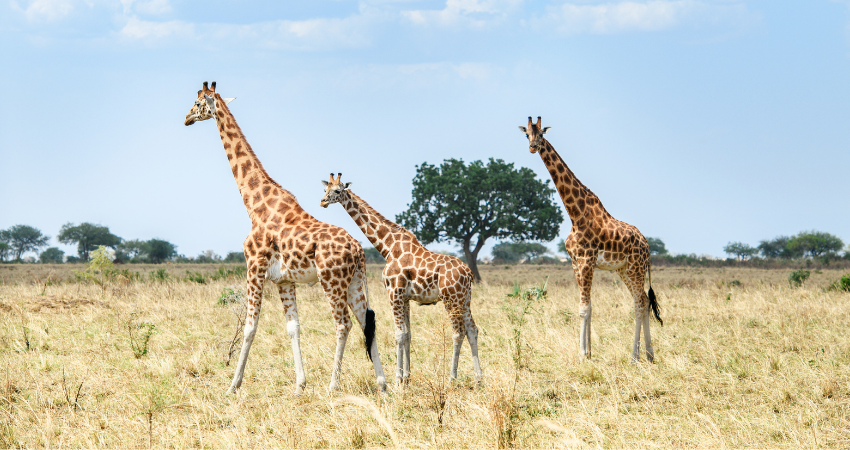
There is hardly anywhere else in Uganda where such a mixed bag of wild animals can be seen. The park horizon is dotted with African wild dogs, cheetahs, lions, leopards, giraffes, zebras, buffaloes, hartebeests, oryx antelopes and elands. There are other typical African animals in the park, but some of them are rare and not easy to see. These include lesser kudu, Gerenuk and the cinnamon-coloured or heavily striped hyenas which are almost never found in Uganda anyway. Moreover, this is an outstanding destination for birdwatchers. The published species list for Kidepo has 475 numbers on it. These range from the mighty martial eagle to the diminutive pygmy kingfisher and from the noisy white-throated bee-eater to the one we often miss every day in our gardens, the lovely Pied king fisher. Also, the river valleys and swamp areas in the park are home to monitor lizards, wild cats (although they are rarely seen here), which increases the biodiversity of forests. Its grassy plains and open tree savannahs make for good visibility, letting you see everything from lions to buffalo or lesser kudu, while offering the most fantastic photographic opportunities in a truly wild place still unvisited by the hordes of tourists.
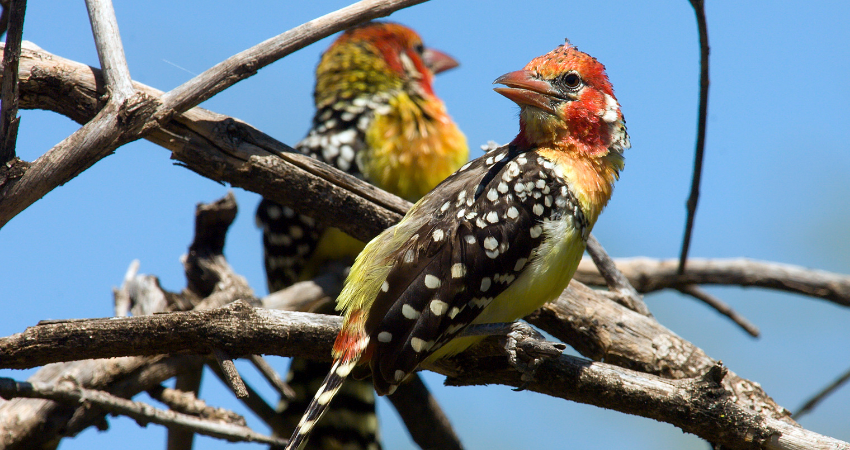
It contains more than 470 recorded species, seventy-six of which are either rare or endemic. Guided birding tours are arranged on this theme and target such species as the sokoke pipit, northern carmine bee-eater, and black-faced firefinch. Migratory birds from Europe and Asia also visit in some months, adding to this park’s seasonal variety. If you choose bird watching as an additional activity for your game drive or walking safari, the one trip can yield pictures of both avian and mammalian species. In the park, guides will teach you how to look at both plants and animals by sight and sound, and can provide information on the habitat spots. There are open plains next to a river or in dense thickets. So you can count on seeing many new things during each visit!
Kidepo is more than just a place to visit as a tourist. Here one has the chance to walk into a local market and attend various small workshops of craftspeople who work there. Traditional bead weaving is also cultivated at Kidepo–people can see this done with their own eyes. They can watch traditional pottery being made and will be in a position to understand some tips from the people who make it master. We want our visitors to feel the culture locally. In order to satisfy this worthy goal, Kidepo offers visits to villages and access handicraft products at its markets that were made by villagers. These not only enrich individuals but also help play a role in the lives of local people. They allow visitors to buy real souvenirs and gifts from the hand of those who made them, putting to theory the idea of ‘community-based tourism.’ Village visits often include storytelling sessions in which elders share legends, rituals, the history of the karimojong people and visitors gain a deeper understanding into both this region’s heritage and its harmonious relationship with wild nature.
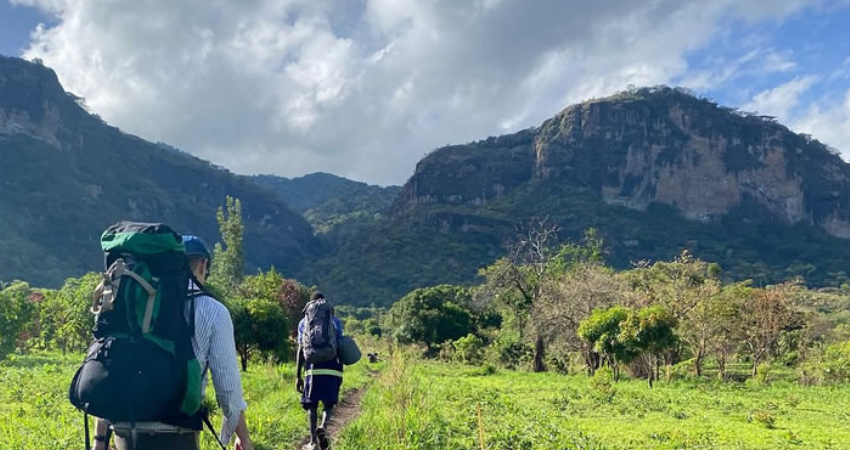
Kidepo’s topography, with its dramatic hills and escarpments, offers fine hiking opportunities. Guided mountain walks bring to light the charm of the park’s natural environment, showcasing what you see on the expedition, as well as animals pacing across valleys or plains beneath you. Paths vary in difficulty, catering to everyone from ambling holiday rambles to seasoned trekking devotees. As hikers pass through ecosystems that combine plant life and animal life (including reptiles, insects, and birds), which are otherwise rarely observed, they can always expect to see something new. Connected groups of guides present both practical knowledge, cultural legends from these peoples’ pasts, and insights into how the ecological characteristics of different types in a habitat contribute to bringing forth its diversity. Kidepo offers the best of both worlds when it comes to walking, combining exercise with sightseeing and providing numerous opportunities for wildlife observation.
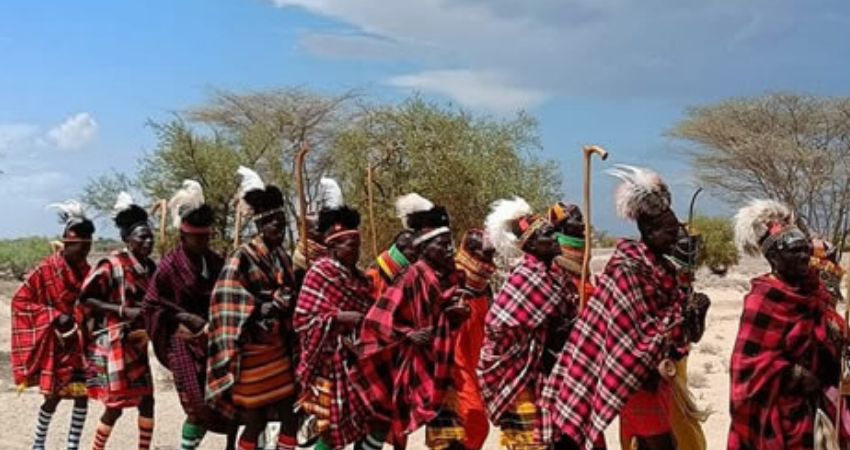
A trip to Kidepo would be incomplete without visiting the settlements of the Karimojong, railway pastoralist farming communities that live around the park. Cultural tours lead visitors into nearby villages where traditional ways prevail, cattle raising is a common practice for most households, and you can observe daily life. Here, a local mechanic demonstrates how he creates extremely intricate bead jewelry, which has been passed down from generation to generation. This type of craftsmanship has remained unchanged for hundreds of years. This is a view different from that of general tourists in Kidepo and gives us thoughtful perspectives on maintaining the rich natural environment of wildlife and ensuring sustainable development. The public also has the opportunity to get close to villagers, purchase locally made handicrafts as souvenirs,, or simply gain insight into life in these villages through living examples.
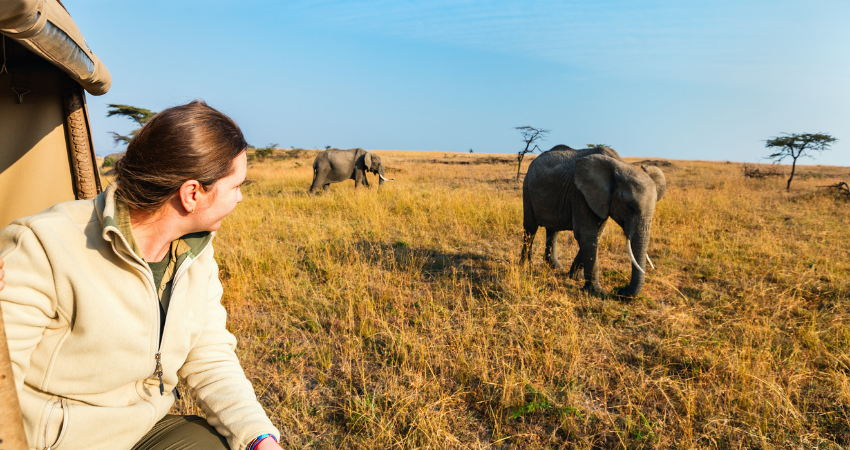
In Kidepo Valley National Park, game drives are the main business, and this is where visitors can get a taste of craggy Africa. The most active time of day for birds and beasts is in the early predawn hours or just after sunset; therefore, many know no better than to take a game drive and marvel at wonderful birds. You may go through times without seeing herds of elephants and buffalo (now in their recently-arrived settlement), large numbers of giraffes and zebras, or the peaceful eland long-cap of Africa an most powerful species antelope etc There are also carnivores here, such as lions, leopards, swift predators (like cheetahs), and African wild dogs, which sometimes come together for opportunistic hunting to benefit both parties for the time being. Experienced park guides provide an insight into the behaviour, tracks, and habitats of animals so that every visit is never boring. The vast, open spaces, dramatic hills, and acacia combretum woodlands provide such good, generally useful imagery for every safari that each one is inherently a photographic and wildlife observation experience.
In Kidepo Valley National Park, game drives are the main business, and this is where visitors can get a taste of craggy Africa. The most active time of day for birds and beasts is in the early predawn hours or just after sunset; therefore, many know no better than to take a game drive and marvel at wonderful birds. You may go through times without seeing herds of elephants and buffalo (now in their recently-arrived settlement), large numbers of giraffes and zebras, or the peaceful eland long-cap of Africa an most powerful species antelope etc There are also carnivores here, such as lions, leopards, swift predators (like cheetahs), and African wild dogs, which sometimes come together for opportunistic hunting to benefit both parties for the time being. Experienced park guides provide an insight into the behaviour, tracks, and habitats of animals so that every visit is never boring. The vast, open spaces, dramatic hills, and acacia combretum woodlands provide such good, generally useful imagery for every safari that each one is inherently a photographic and wildlife observation experience.
The dry seasons, December–February and June–August, are the best for wildlife viewing, as animals gather around water sources and open plains provide excellent visibility. The wet season (March–May, September–November) brings lush greenery and migratory birds, though some roads may be challenging for vehicles.
Kidepo is ideal for travelers seeking solitude, remote wilderness, and unique wildlife not found in other Ugandan parks. Its combination of predator sightings, rare plains game, and cultural encounters with the Karimojong makes it a distinctive and rewarding safari destination. For photographers, adventure seekers, and serious birders, Kidepo is unmatched in Uganda.
When preparing for a safari in Kidepo Valley National Park, it is important to travel well-equipped for the park’s remote and rugged wilderness. A reliable 4×4 vehicle is essential, as the terrain can be rough and difficult to access with smaller cars, especially during the rainy season. Visitors should also pack practical safari gear such as binoculars for wildlife viewing, a camera with a zoom lens for photography, and protective items like sunscreen, hats, and insect repellent. Hiring a knowledgeable local guide enriches the experience by improving wildlife spotting opportunities and offering cultural insights into the Karimojong people. Since the park is far from major towns, travelers should take malaria prophylaxis, carry sufficient drinking water, and be prepared for long game drives.
Staying in either the Apoka or Narus regions of the park offers an insider’s windows into safari life. By choosing to reside inside the park itself, visitors can go out on game drives in the early morning and late evening when wildlife is most active without having to travel long distances from lodges outside the park. The close proximity here also helps guests catch a glimpse of nocturnal animals and bask in views of sunrise across miles upon miles of savanna. Whether it is a luxury lodge such as Apoka or a medium-range camp like Narus, staying inside the park means that travelers are surrounded by the bush 24 hours a day. It enables one to begin living at one’s leisure and hear the roar of lions or hyenas calling as part of this unforgettable adventure.
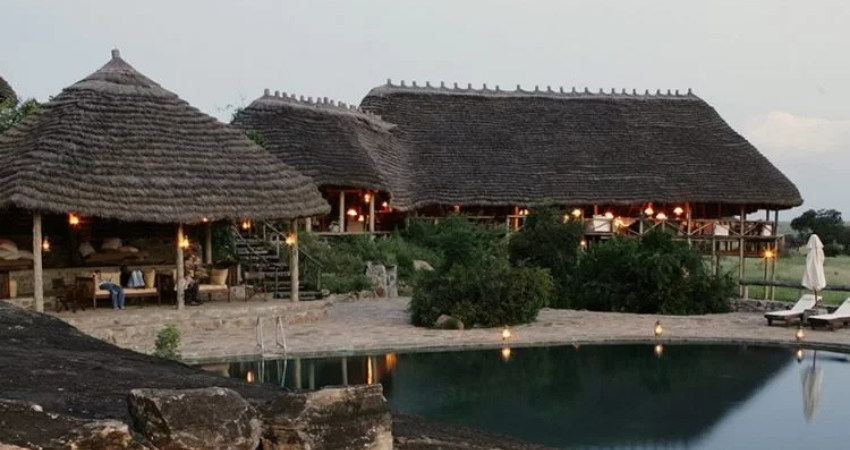
On the lookout for individuality, luxury, and comfortoudoors, visitors to Kidepo will find fine accommodations in Apoka Safari Lodge and Kidepo Savannah Lodge. Apoka Safari Lodge, in the heart of the park, has its own interpretation of luxury – its spacious cottages, high wooden ceilings and mud-walled exteriors suit the African bush, where the broad, game-filled horizon seems almost tangible. Kidepo Savannah Lodge, positioned just outside the park gate, offers luxury safari tents and cottages with breathtaking views of the Narus Valley and Mount Morungole.
These accommodations that balance international standards with simple design and limited environmental impact are the perfect places for travelers to experience some of Africa’s finest wildlife in conditions that are comfortable but never pampered.(inplace)Mid-Range
Compared to Apoka, as I said earlier, this one’s what you might call more flexible. Narus Camp, though it doesn’t have luxury, is still
Travelers looking for a balance between comfort and affordability will find excellent mid-range options in Kidepo, with Nose C being a standout choice. This camp is strategically located near the Narus Valley, the heart of wildlife activity in the park, making it perfect for guests eager to maximize their game-viewing opportunities. The camp offers spacious safari tents equipped with comfortable beds, mosquito nets, and en-suite bathrooms, ensuring a cozy and private stay in the wild. Meals are freshly prepared and served in a relaxed dining area, often with stunning views of the surrounding savannah. Its intimate setting allows guests to enjoy the sounds of nature up close while still having the comfort of reliable service. Narus Camp is ideal for families, couples, or small groups who want a genuine safari atmosphere without the high-end price tag
Those on a tight budget will find that Kidepo’s wild beauty is open to them as well. camp guest lodge such like facilities that provide a safari experience which is fairly basic yet also authentic in style. These facilities, which are run in coordination with local communities, supply their own forms of lodging at the lowest price. There are traditional huts, dormitories and camping areas where visitors can pitch their own tents. These facilities allow guests to experience the pure beauty of Kidepo while directly investing in local lives and Culture. Although spartan, the bandas and campsites often include shared cooking facilities, eco-friendly services and opportunities to interact with the Karamojong people, adding a human dimension to the safari. For adventurous travelers who want to get closer to community life and the wilderness of Africa, this choice is ideal.

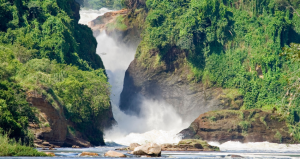
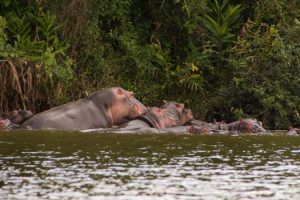
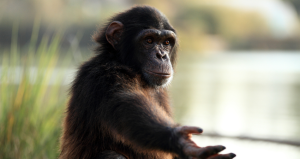
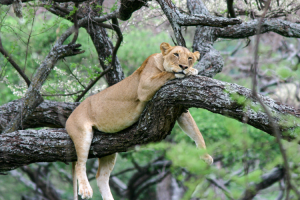
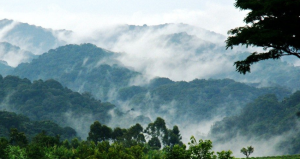
Kidepo Valley National Park
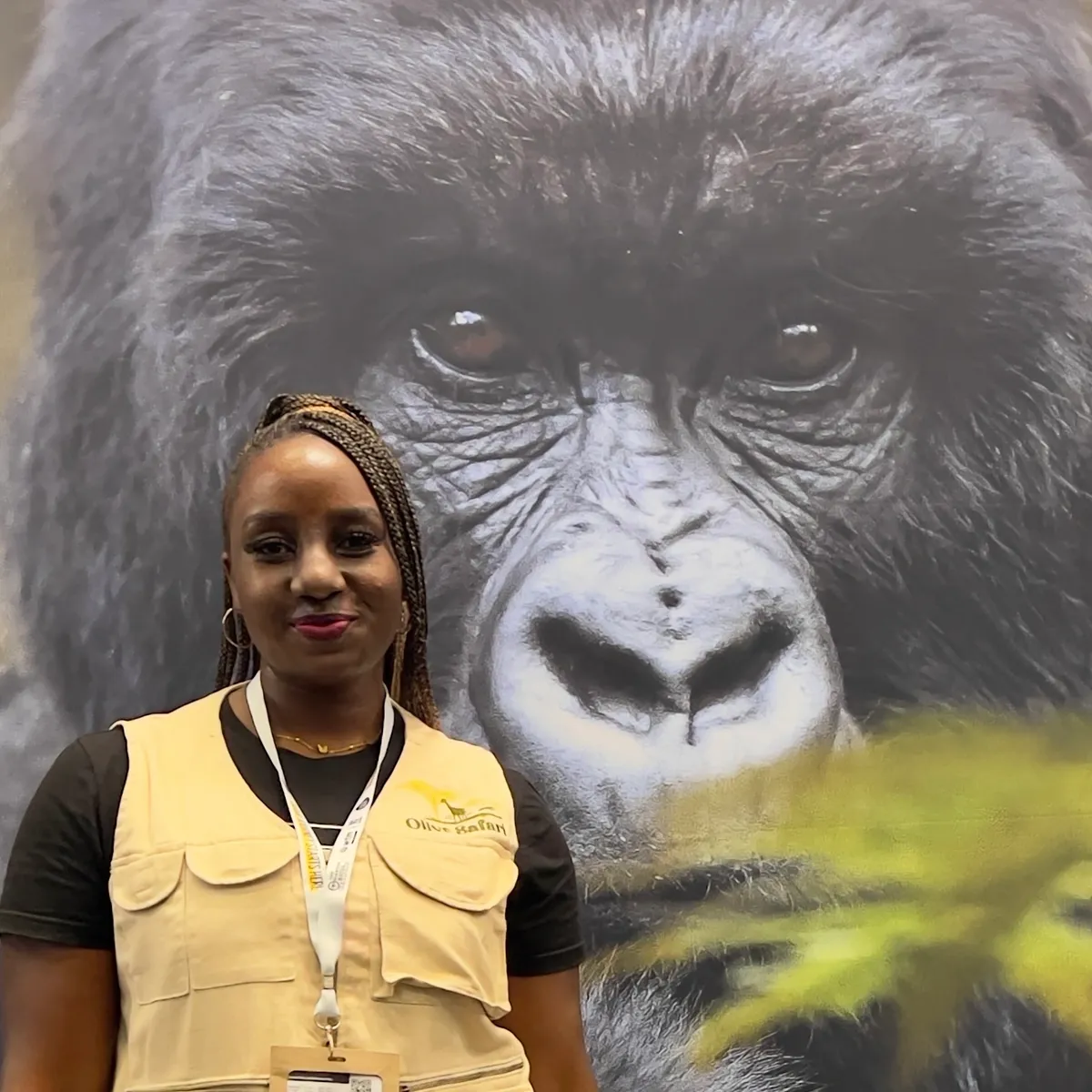
Cheryl, the eldest daughter of Olive, has embraced the responsibility of carrying forward her mother’s legacy with resilience and determination. After losing her father at the age of six, she was raised by her mother, Olive, with the support of Christer. Olive’s passing in 2017, when Cheryl was just 19, became a defining moment in her journey.
Having been involved in the foundations of Sunset Hotel Entebbe and Olive Safari Uganda from a young age, Cheryl stepped up to manage the businesses alongside Christer. Under his mentorship, she navigated the complexities of entrepreneurship and discovered her passion for tourism.
With a Master’s degree in Business Administration and hands-on leadership, Cheryl has been instrumental in maintaining loyal clientele at Sunset Hotel Entebbe, adapting it to post-COVID standards, and expanding Olive Safari Uganda. As a certified tour guide for Uganda, Tanzania and Zanzibar, she remains committed to upholding her mother’s vision of exceptional service and unforgettable travel experiences.

Christer, a Swedish education consultant with over 40 years of experience guiding travelers across Africa, co-founded Olive Safari Uganda with a deep passion for the continent’s wonders. His extensive journeying, particularly through Zimbabwe, Uganda, Tanzania, and Kenya, enriched his understanding of Africa’s landscapes and cultures. As a consultant, he also contributed to education and development, notably establishing an automotive school in Zimbabwe. His work with the Global Journey program brought him to Uganda, where he collaborated with municipalities and fell in love with the country’s heritage.
During this time, he met Olive, whose exceptional leadership and organizational skills later turned their professional relationship into a personal one. Their shared vision led to the creation of Olive Safari Uganda in the early 2000s, followed later by Sunset Hotel Entebbe. While Christer split his time in Sweden managing the Global Journey program, Olive oversaw daily operations. Today, Olive Safari Uganda embodies Christer’s seasoned expertise as a guide and strategic insight, paired with Olive’s dedication, delivering outstanding safaris that showcase Uganda’s beauty and beyond.
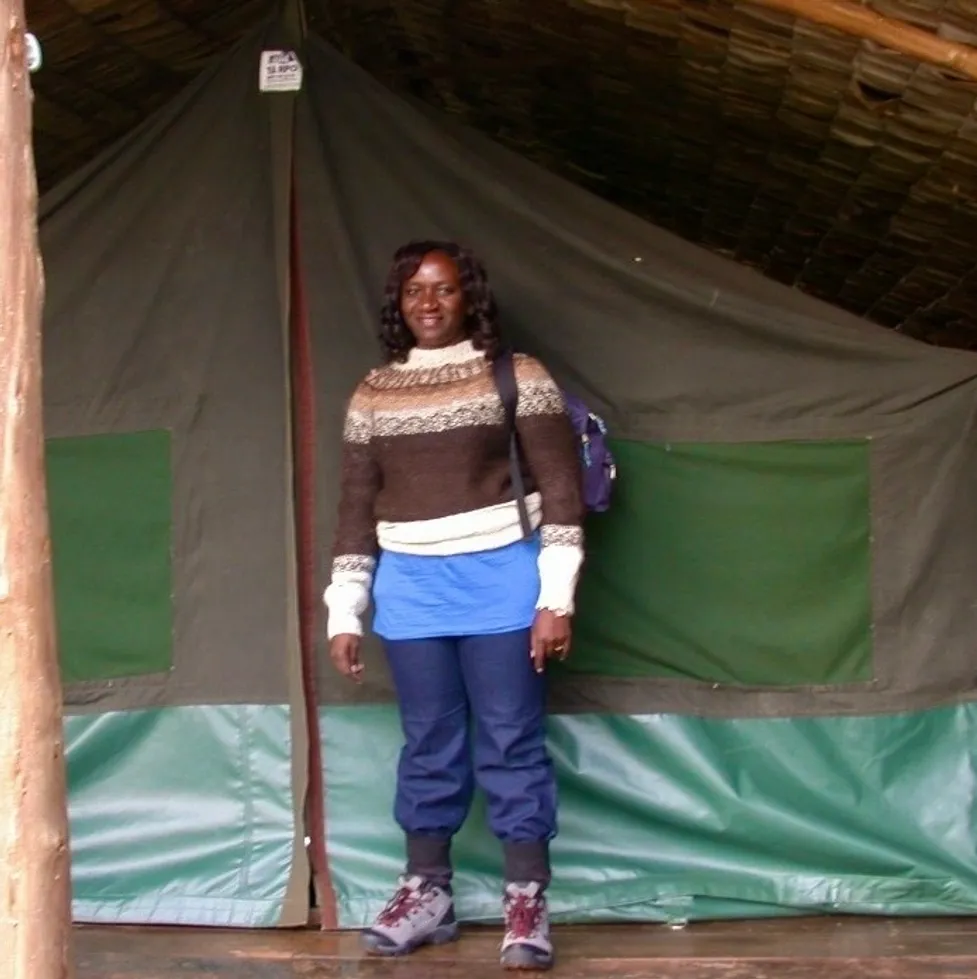
Ayebale Olive, co-founder of Olive Safari Uganda, brought over 20 years of community service experience into the world of tourism. As secretary to Entebbe’s Mayor, she honed her skills in program management and international partnerships, playing a key role in the Global Journey program that linked Uganda and Sweden.
It was through this program that she met Christer—three years after the passing of her first husband, while raising three children. United by a shared passion for travel and discovery, they founded Olive Safari Uganda in the early 2000s. Their commitment to exceptional service quickly set the company apart.
As demand grew, they expanded their vision by establishing Sunset Hotel Entebbe, creating a welcoming space for travelers exploring Uganda. Olive’s legacy lives on, shaping the company’s dedication to authentic and unforgettable safari experiences