Wildlife Safari Experience on The Mythic Source of the Nile

The Legendary Source of the Nile – Jinja, Uganda

The Source of the Nile in Jinja is one of Uganda’s most iconic landmarks. Here, the world’s longest river leaves Lake Victoria, Africa’s largest lake, and begins a journey of roughly 6,650 kilometres. It then flows north through several countries before it finally reaches the Mediterranean Sea.

Standing at this spot is a powerful experience. On one side lies the vast lake; on the other, the young Nile sets off on its long journey. Unsurprisingly, the site has shaped Jinja into a favourite destination for adventure lovers, history fans and culture seekers alike.

Today, Jinja is often called the adventure capital of East Africa. You can take a boat to the source, raft the rapids, kayak calm stretches or leap from a bungee platform above the river. Afterwards, you can relax on a riverside terrace and watch the sun set over the water.

In this guide, we explain how to get to Jinja, the history of the site, what to see and do, when to go and where to stay. For more inspiration, read our feature on Jinja, the Source of the Nile and Uganda’s adventure capital.

Source of the Nile at Jinja, Uganda

Source of the Nile: Location and How to Get There

Jinja lies about 80 kilometres east of Kampala, Uganda’s capital, so it fits easily into most itineraries. By road, the drive along the Kampala–Jinja highway usually takes 2 to 3 hours, depending on traffic.

The journey is scenic. Along the way, you pass tea estates, sugarcane fields and busy roadside markets selling fresh produce and crafts. You also drive past the edge of Mabira Forest, one of the largest natural forests in central Uganda.

In Jinja, a short boat ride takes you to the exact point where the Nile flows out of Lake Victoria. Excursions usually last an hour or two, and your boat waits to bring you back to shore.

Most international visitors arrive at Entebbe International Airport. With good planning, you can reach Jinja on the day you land. Jinja also combines well with birding at Mabamba Swamp near Entebbe, or with a longer safari to Murchison Falls National Park.

History of the Source of the Nile

The Source of the Nile is a place of deep history and culture. Long before European explorers arrived, the Basoga people living in the area regarded the river as sacred. They relied on it for fishing, trade and ceremonies that honoured its life-giving power.

The site then captured the world’s attention through the British explorer John Hanning Speke. In 1858, he reached the great lake and named it Lake Victoria. Later, in 1862, he reached the point where the Nile flows out of the lake. In doing so, he helped to solve one of the greatest geographical mysteries of the 19th century.

This discovery put Jinja firmly on the world map, attracting scholars, adventurers and colonial interest. During the 20th century, Jinja grew into an important industrial town. A key moment came in 1954, when the Owen Falls Dam, now the Nalubaale Power Station, was completed to generate hydroelectric power.

Today, the Source of the Nile is a crossroads of history, culture and natural wonder. It reminds every traveller that the world still has places that inspire awe.

What to See at the Source of the Nile

There is plenty to see here, mixing history and nature. First, a short boat ride brings you to the spot where the Nile begins its journey. A signpost marks this famous geographical point, so it is a popular place for photographs.

Nearby, the Speke Monument commemorates John Hanning Speke and his journey to the source. In addition, the waters and small islands are rich in birdlife. For example, you may see cormorants, kingfishers, herons and African fish eagles. Monitor lizards often bask on the rocks, too.

On shore, the riverbanks are green and peaceful. Consequently, it is an ideal place for photography, a picnic or simply a quiet moment beside Africa’s most famous river. If you are a keen birder, see our bird watching in Uganda page for more ideas.

Activities and Experiences at the Source of the Nile

Boat Cruises to the Source of the Nile

Boat cruise to the Source of the Nile in Jinja, Uganda

A boat ride is the best way to appreciate the river’s beauty and importance. Short guided trips take you to the very spot where the Nile leaves Lake Victoria. Alternatively, longer cruises explore nearby islands and wetlands.

Sunset cruises are especially beautiful. As the river glows golden, birds become more active, so you may see cormorants, kingfishers and herons. For a quieter outing, a canoe trip lets you enjoy the plants and wildlife up close.

Experienced guides share stories about the river’s ecology, history and culture. As a result, the trip is both scenic and educational. Whether you come for photography, relaxation or wildlife, it is a must-do in Jinja.

Fishing Excursions

Fishing excursion on the Nile near Jinja, Uganda

Jinja is a great base for sport fishing, especially for Nile perch and tilapia. Local guides take you to good fishing spots on the river. They can also show you traditional techniques used by local fishermen.

Trips range from a half day to a full day, combining relaxation with hands-on fun. Moreover, it is not just about the catch. You are likely to see waterbirds, monitor lizards and other riverside wildlife while you fish.

Fishing trips suit families, beginners and keen anglers who want a close, educational river experience. In addition, they make a calm contrast to the area’s adrenaline sports. Bring a hat, sunscreen and water, as there is little shade on the river. Your guide can usually provide the tackle you need.

White-Water Rafting on the Nile

White-water rafting on the Nile in Jinja, Uganda

Jinja is famous as the adventure capital of East Africa, largely thanks to white-water rafting on the Nile. The river has rapids from about Grade 3 to Grade 5. Therefore, there are options for both first-timers and experienced rafters.

On a guided trip, professional instructors steer you safely through twists, waves and drops. Before you start, they give a full safety briefing and practise key commands with your group. Between the rapids, you can enjoy calmer stretches with papyrus-lined banks, small islands and distant hills.

Wildlife is never far away. For instance, waterbirds and monitor lizards often rest on rocks along the edge. Rafting is also a great team-building activity, because it needs good communication and coordination. As a result, it is perfect for families with older children, friends and corporate groups. We recommend booking ahead, especially in busy seasons.

Bungee Jumping

For thrill-seekers, a bungee jump over the Nile is an unforgettable experience. You leap from a platform about 44 metres above the river, secured by a harness and elastic cord.

The jump mixes excitement with wonder. As you fall, you enjoy sweeping views of the river, hills and greenery. Experienced instructors run the activity and follow strict safety procedures throughout.

Beyond the rush, the jump offers a unique view of the Nile’s power and beauty from above. Not surprisingly, it is one of Uganda’s signature extreme sports and draws adventurers from around the world.

Kayaking and Tubing

Kayaking on the Nile near the Source of the Nile, Jinja

Kayaking and tubing offer gentler ways to enjoy the river. They are an easy introduction to the Nile if you prefer something calmer than rafting.

On a kayak trip, you paddle along flat sections of the river to explore small channels, islands and wetlands. Tubing, meanwhile, lets you float with the current in a large inflatable ring while you watch the scenery drift by.

Both activities suit beginners and families. Furthermore, they bring you closer to the water than larger boats do. Guides share safety tips and help you spot birds and plants along the way. In short, they combine relaxation with a little adventure.

Nature Walks, Horseback Rides and Cultural Tours

On land, guided nature walks along the Nile reveal papyrus wetlands, bird habitats and riverside villages. You learn how the ecosystem works while enjoying fresh air and fine views.

Horseback rides through riverside countryside offer a peaceful way to see the landscape. They suit photographers and families looking for something relaxed.

Cultural tours, meanwhile, take you into local communities. There, you can learn about fishing traditions, crafts and daily life by the river. You also see how the Nile shapes the lives and culture of people in Jinja. These outings add variety and depth to your water-based adventures. To explore more, see our cultural tours in Uganda and our guide to people and culture in Uganda.

Best Time to Visit the Source of the Nile

The Source of the Nile is open all year. Even so, the drier months of December to February and June to August are the most comfortable for outdoor activities such as rafting, cycling and cultural visits.

The rainy seasons, from March to May and September to November, bring lush green scenery and fewer visitors. Boat trips still run well, as long as you do not mind the odd shower. In fact, rain often falls in short bursts, followed by sunshine.

Whatever the month, mornings are usually calm and pleasant on the water. Therefore, we often schedule boat trips early and leave adventure activities for later in the day. For more seasonal advice, read our Uganda climate guide.

Why Visit Jinja?

Visiting the Source of the Nile gives you history, nature and adventure in one place. You can stand at a world-famous landmark, try some of Africa’s most exciting river activities and enjoy warm Ugandan culture.

Few places pack so much variety into such a small area. In one day, you might cruise to the source in the morning and raft or kayak in the afternoon. Then, in the evening, you can relax with a riverside dinner. Because Jinja is close to Kampala and Entebbe, it also works well as a short break at the start or end of a safari.

For example, many travellers combine Jinja with gorilla trekking or a classic game drive. To plan a wider trip, explore our Uganda destinations and browse our safari tours.

Travel Tips for Visiting Jinja

A little planning helps you make the most of your time in Jinja. Here are our top tips:

  • Clothing: pack light clothes, a hat and a change of clothes for water activities.
  • Protection: bring sunscreen and insect repellent for boat trips and time by the river.
  • Book ahead: reserve rafting and bungee jumping in advance, especially in busy seasons.
  • Local guides: hire a guide to learn more about the area’s culture, history and ecosystem.
  • Valuables: keep phones and cameras in a waterproof bag on the river.

Jinja is also a good base for side trips. For instance, Mabira Forest, Sezibwa Falls and Itanda Falls are all within reach. As a result, you can combine river adventures with forest walks and waterfall visits. For official travel information, visit the Visit Uganda website.

Where to Stay in Jinja

Riverside accommodation in Jinja near the Source of the Nile

Jinja has accommodation for every budget, from simple guesthouses to stylish riverside lodges. Here is an overview to help you choose.

Budget

Budget travellers have plenty of options. Guesthouses, small lodges and hostels offer clean rooms with private or shared bathrooms, Wi-Fi and simple meals. Many sit near the Nile or within walking distance of town, so the Source of the Nile and adventure operators are easy to reach. These options suit backpackers, solo travellers and small groups. Some even offer community-based experiences that introduce you to local culture.

Mid-range

Mid-range hotels and lodges offer comfortable rooms, on-site restaurants and, often, lovely river views. Places such as Jinja Nile Resort and Sunset View Lodge provide comfortable rooms and swimming pools. They can also help organise activities such as Nile trips or bike tours. These suit couples, families and small groups who want comfort while staying close to the action. In addition, friendly staff can arrange water sports, cultural tours and nature outings.

Luxury

Luxury lodges attract guests who want superior comfort and personal service. Along the river, high-end lodges and resorts offer modern rooms, river-facing balconies, fine dining and, in some cases, spa treatments. Many can also arrange private boat trips, guided nature walks and tailored cultural experiences. They are ideal for honeymooners and anyone who wants a relaxing retreat between adventures.

Ready to experience the Source of the Nile? Tell us your dates and interests, and we will plan your activities, transfers and accommodation. Contact us today to start planning your Jinja adventure.

Book Now

Name

Related wildlife Tours

Scroll to Top

Director/Sales & Marketing: Tusiime Cheryl Myra

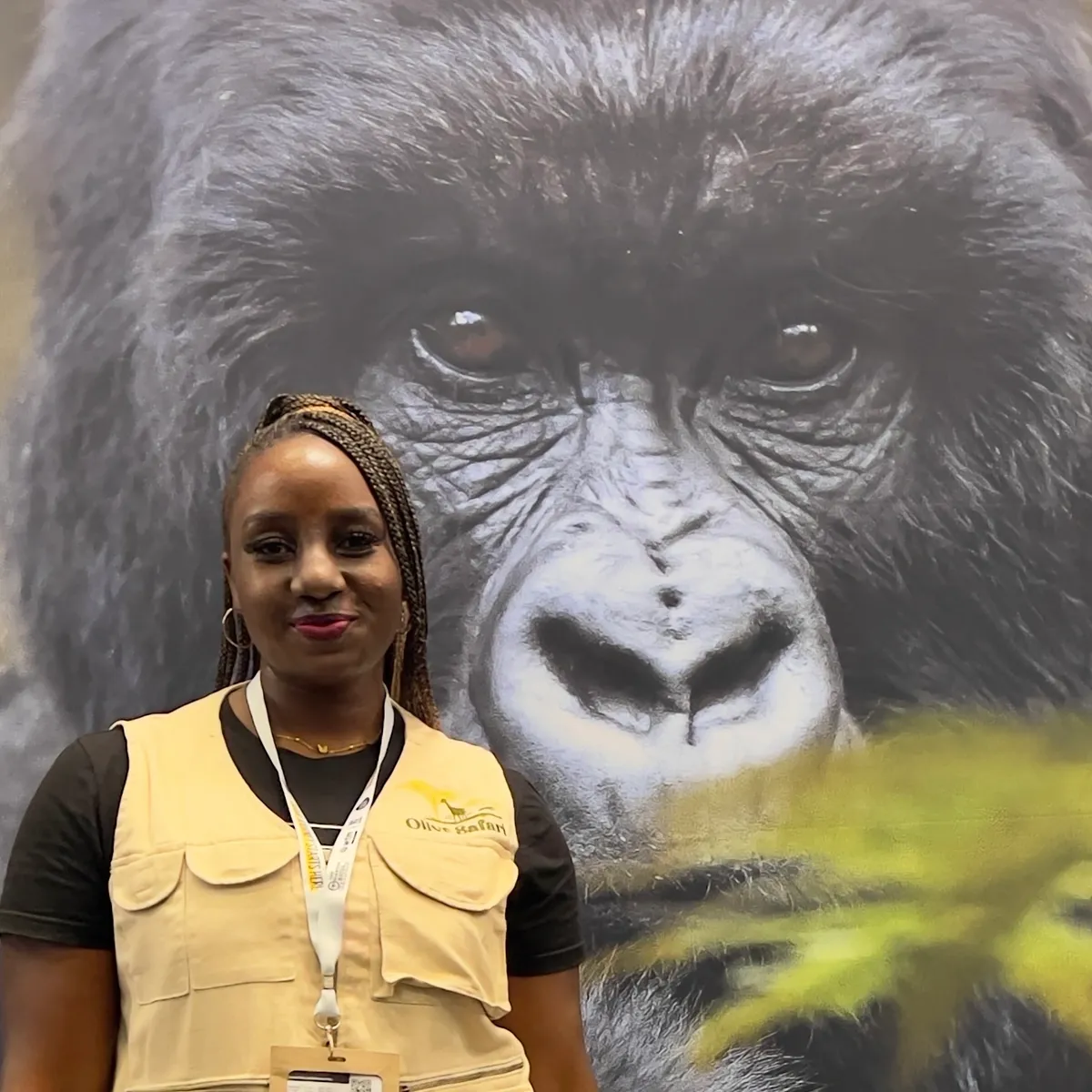
Cheryl, the eldest daughter of Olive, has embraced the responsibility of carrying forward her mother’s legacy with resilience and determination. After losing her father at the age of six, she was raised by her mother, Olive, with the support of Christer. Olive’s passing in 2017, when Cheryl was just 19, became a defining moment in her journey.

Having been involved in the foundations of Sunset Hotel Entebbe and Olive Safari Uganda from a young age, Cheryl stepped up to manage the businesses alongside Christer. Under his mentorship, she navigated the complexities of entrepreneurship and discovered her passion for tourism.

With a Master’s degree in Business Administration and hands-on leadership, Cheryl has been instrumental in maintaining loyal clientele at Sunset Hotel Entebbe, adapting it to post-COVID standards, and expanding Olive Safari Uganda. As a certified tour guide for Uganda, Tanzania and Zanzibar, she remains committed to upholding her mother’s vision of exceptional service and unforgettable travel experiences.

Christer Torstensson - Founder & CEO

Founder & CEO: Christer Torstensson

Christer, a Swedish education consultant with over 40 years of experience guiding travelers across Africa, co-founded Olive Safari Uganda with a deep passion for the continent’s wonders. His extensive journeying, particularly through Zimbabwe, Uganda, Tanzania, and Kenya, enriched his understanding of Africa’s landscapes and cultures. As a consultant, he also contributed to education and development, notably establishing an automotive school in Zimbabwe. His work with the Global Journey program brought him to Uganda, where he collaborated with municipalities and fell in love with the country’s heritage.

During this time, he met Olive, whose exceptional leadership and organizational skills later turned their professional relationship into a personal one. Their shared vision led to the creation of Olive Safari Uganda in the early 2000s, followed later by Sunset Hotel Entebbe. While Christer split his time in Sweden managing the Global Journey program, Olive oversaw daily operations. Today, Olive Safari Uganda embodies Christer’s seasoned expertise as a guide and strategic insight, paired with Olive’s dedication, delivering outstanding safaris that showcase Uganda’s beauty and beyond.

Olive Ayebale.

Founder & CEO: Ayebale Olive

Ayebale Olive, co-founder of Olive Safari Uganda, brought over 20 years of community service experience into the world of tourism. As secretary to Entebbe’s Mayor, she honed her skills in program management and international partnerships, playing a key role in the Global Journey program that linked Uganda and Sweden.

It was through this program that she met Christer—three years after the passing of her first husband, while raising three children. United by a shared passion for travel and discovery, they founded Olive Safari Uganda in the early 2000s. Their commitment to exceptional service quickly set the company apart.

As demand grew, they expanded their vision by establishing Sunset Hotel Entebbe, creating a welcoming space for travelers exploring Uganda. Olive’s legacy lives on, shaping the company’s dedication to authentic and unforgettable safari experiences