Wildlife Safari Experience in Queen Elizabeth National Park

Queen Elizabeth National Park – Savannah, Lakes and Tree-Climbing Lions

Nature walk in Queen Elizabeth National Park, Uganda

Queen Elizabeth National Park is Uganda’s most popular and diverse safari destination. It lies in the west of the country and covers nearly 2,000 square kilometres. Stretching from the foothills of the Rwenzori Mountains to Lake Edward, it takes in savannah, wetlands, forests and crater lakes. As a result, it offers one of the most varied safari experiences in East Africa.

On a single trip, you can combine classic game drives with a boat cruise along the Kazinga Channel. You can also search for the famous tree-climbing lions of Ishasha and track chimpanzees in Kyambura Gorge. In short, few parks pack so much into one place.

What makes the park truly special is its mix of ecosystems. Species from the East African savannah meet those of the Central African rainforest here. Consequently, over 95 mammal species roam the park. These include elephants, buffaloes, leopards, hyenas and Uganda kob, alongside primates such as chimpanzees.

Birdlife is just as impressive, with over 600 recorded species. That makes the park a true birding hotspot. Meanwhile, crater lakes such as Lake Katwe, known for its traditional salt mining, add culture and scenery to your trip. Whether you explore open plains, cruise the waterways or walk through forested gorges, every day feels different. In this guide, we cover how to get there, what to see and do, when to go and where to stay.

Location and How to Get There

The park lies about 400 kilometres south-west of Kampala. By road, the journey takes roughly 6 to 7 hours via Mbarara. Along the way, you pass tea plantations, crater lakes and, on clear days, views of the Rwenzori Mountains.

Alternatively, domestic flights from Entebbe or Kajjansi land at the Kasese, Mweya or Kihihi airstrips. Flying cuts your travel time to under two hours. Kihihi is handy for the southern Ishasha sector, while Mweya and Kasese suit the northern plains.

Because of its central position, Queen Elizabeth National Park fits neatly into longer itineraries. For example, many travellers combine it with gorilla trekking in Bwindi Impenetrable National Park to the south. Others add chimpanzee tracking in Kibale National Park to the north.

History and Background of the Park

The park was established in 1952 as Kazinga National Park. Two years later, it was renamed Queen Elizabeth National Park to commemorate a visit by Queen Elizabeth II. Since then, it has been a centrepiece of Uganda’s tourism.

Its history also reflects deep cultural ties. Fishing villages and farming communities have lived alongside wildlife here for generations. For this reason, conservation in the park aims to balance tourism, wildlife protection and the needs of local people. Today, community tourism projects help families benefit directly from visitors. In turn, this gives local people a real stake in protecting the park.

Wildlife Attractions in Queen Elizabeth National Park

Queen Elizabeth National Park is a big game paradise. On the Kasenyi plains, large herds of Uganda kob graze alongside buffaloes, elephants and warthogs. Lions and leopards hunt across the savannah, while hyenas scavenge on the edges. Further south, the Ishasha sector is home to topi and its famous tree-climbing lions.

Water is never far away, either. Hippos and crocodiles thrive in the Kazinga Channel and are often seen in large numbers from the boat. In the forests, you may find giant forest hogs and more than 10 primate species, including chimpanzees in Kyambura Gorge.

Birdlife is equally stunning. For instance, you may see flamingos at Lake Munyanyange in season, martial eagles over the plains and pelicans along the channel. With luck, you might even spot the shoebill in the wetlands. If you hope to see lions, leopards, elephants and buffaloes on one trip, read our guide to Uganda’s Big Five safari.

Activities and Wildlife Experiences in Queen Elizabeth National Park

The park offers a safari menu unlike anywhere else in Uganda. Classic game drives reveal lions, elephants and antelopes across the Kasenyi and Mweya areas. Next, the Kazinga Channel boat cruise brings you close to hippos, elephants and abundant birdlife from the comfort of a launch.

For a more adventurous twist, chimpanzee tracking in Kyambura Gorge provides an intimate forest experience. You can also explore the crater lakes, join a night game drive or take a guided walk. Below, we look at the highlights in more detail. For a wider overview, see our wildlife tours in Uganda.

Lion Tracking and Tree-Climbing Lions in Queen Elizabeth National Park

Lion tracking in Queen Elizabeth National Park, Uganda

Lion tracking is one of the most thrilling wildlife experiences in Uganda. It takes you beyond an ordinary game drive on the Kasenyi plains. You join researchers who use radio-collar technology to locate and study the lions. Along the way, you learn about lion behaviour, territories and conservation challenges.

Because the team knows where the collared lions are, your chances of a close sighting are high. However, sightings in the wild can never be fully guaranteed. Places are limited, so we suggest booking early. Better still, your participation supports vital monitoring work.

In the southern Ishasha sector, you can look for the park’s famous tree-climbing lions. Here, lions often rest in the branches of large fig trees during the heat of the day. This behaviour is seen in only a few places worldwide, so it is a real highlight. Ishasha is also quieter than the north, which makes it feel wonderfully remote.

Birdwatching Safaris in Queen Elizabeth National Park

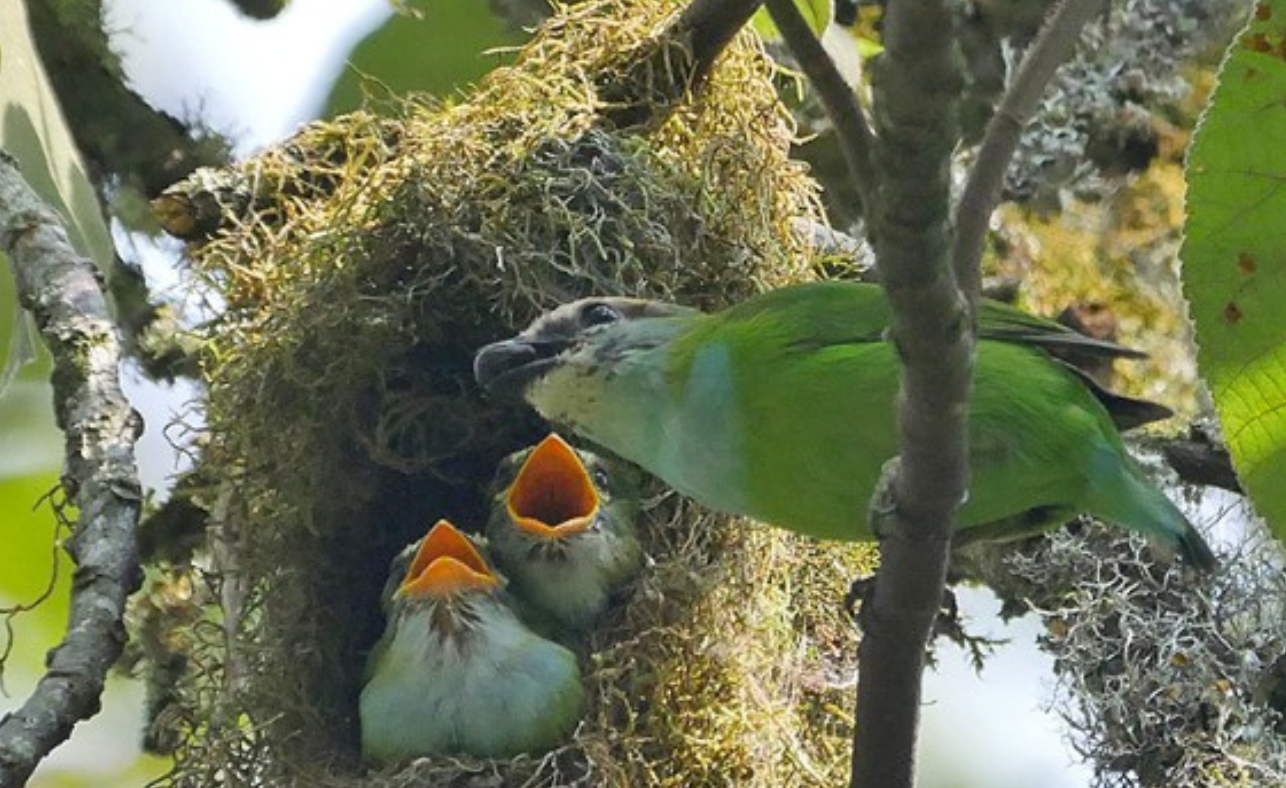
Grauer's broadbill, a bird of Bwindi Impenetrable National Park

With over 600 recorded bird species, Queen Elizabeth National Park is one of Africa’s great birding destinations. Its mix of savannah, wetland, forest and lake habitats explains this remarkable variety. As a result, even a short visit can produce a long bird list.

The Kazinga Channel is a highlight. From the boat, you can see African fish eagles, pelicans, kingfishers and large flocks of waterbirds. Meanwhile, the open plains host raptors such as martial eagles. In the wetlands, keen birders search for the shoebill and papyrus specialists. Seasonal flocks of flamingos sometimes gather at Lake Munyanyange, too.

In addition, Maramagambo Forest and Kyambura Gorge offer forest species that you will not see on the savannah. Birding is good all year, although the wetter months are especially lush. To plan a dedicated trip, visit our bird watching in Uganda page.

Cultural Encounters in Queen Elizabeth National Park

Cultural tourism around the park helps you understand the people who share this landscape with wildlife. One highlight is Lake Katwe, where traditional salt mining has been passed down through generations. Here, you see how local families work the salt pans by hand.

Nearby villages also welcome guests with lively traditional dance, drumming and storytelling. In addition, homestead visits give you a personal glimpse into daily life, from farming to preparing local dishes. Above all, you will feel the warmth of Ugandan hospitality.

These encounters enrich your safari and show how people and wildlife coexist. Importantly, they also ensure that nearby communities benefit directly from tourism. To discover more, see our cultural tours in Uganda.

Nature Walks & Hiking Trails in Queen Elizabeth National Park

Hiking trail in Queen Elizabeth National Park, Uganda

The park has several trails that let you explore its ecosystems on foot. For example, the Maramagambo Forest walk takes you through dense rainforest. On the way, you can visit caves and look for primates and forest birds.

In Kyambura Gorge, a sunken forest cuts through the savannah. Here, you walk along the gorge floor and river while tracking chimpanzees with a ranger. For more on chimps, see our chimpanzee tracking page.

For a shorter, easier option, the Mweya Peninsula offers gentle walks with views over Lake Edward and the Kazinga Channel. Each trail lets you experience the park’s wildlife and landscapes up close. In turn, they combine gentle adventure with birdwatching and photography.

Best Time to Visit Queen Elizabeth National Park

The best time for game viewing is during the dry seasons, from June to August and December to February. During these months, animals gather near water and the roads are easier to drive. Consequently, sightings tend to be more reliable.

The rainy seasons, from March to May and September to November, bring green landscapes and excellent birdwatching. However, some tracks can become muddy, which makes game drives more challenging. If you hope to see flamingos at Lake Munyanyange, ask us about the latest sightings before you travel.

In practice, the park is rewarding all year round. For month-by-month advice, read our Uganda climate guide.

Why Visit Queen Elizabeth National Park?

Few safari destinations in Africa offer this much diversity. From tree-climbing lions to chimpanzees, crater lakes and endless birdlife, the park captures the essence of Uganda’s wilderness. Here, classic savannah safaris meet rare and unique attractions.

Picture yourself cruising the Kazinga Channel at sunset, tracking chimps in Kyambura or watching lions in fig trees. Every moment feels special. Furthermore, the park sits at the heart of Uganda’s safari circuit. Our 7-day Uganda safari with gorillas, chimpanzees and wildlife is a great way to see it alongside Bwindi and Kibale. To compare every park, see our complete guide to Uganda’s national parks.

Travel Tips for Your Safari

A little preparation helps you get the most from your safari. Here is what we recommend you pack:

  • Light, breathable clothing for warm days, plus a light jacket for cool mornings and evenings.
  • Comfortable walking shoes for trails and Kyambura Gorge.
  • A wide-brimmed hat, sunscreen and insect repellent.
  • Binoculars for birdwatching and distant wildlife.
  • A camera with a good zoom lens.

Game drives are most rewarding early in the morning or late in the afternoon, when animals are most active. Park entry fees are set by the Uganda Wildlife Authority, and we quote the current official rate when you book. For wider travel information, the official Visit Uganda website is also helpful.

Finally, travelling with an experienced local operator makes everything smoother. We arrange your permits, lodges, transport and knowledgeable guides, so you can simply enjoy the wildlife.

Accommodation in Queen Elizabeth National Park

Safari lodge accommodation in Queen Elizabeth National Park

Accommodation is spread across the park’s northern and southern sectors. Therefore, where you stay depends on your activities. Here are some good options for every budget.

Budget

Budget lodges keep you close to nature without stretching your budget. Simba Safari Camp, near the park’s main entrance, has affordable rooms, family cottages and camping. It is a good choice for backpackers and groups. Similarly, Pumba Safari Cottages is a small eco-friendly lodge with simple, cosy cottages and savannah views. In the southern Ishasha sector, small bush camps place you near the tree-climbing lions.

Mid-range

Mid-range lodges balance comfort and value while keeping you close to the wildlife. Enganzi Game Lodge, near the main gate, has comfortable cottages overlooking the savannah and lovely sunsets. Elephant Plains Lodge sits on a ridge with sweeping views, spacious rooms and good food. It also offers easy access to the Kasenyi plains for game drives.

Luxury

For comfort and exclusivity, several high-end lodges blend elegance with wilderness. Mweya Safari Lodge stands on a peninsula overlooking the Kazinga Channel. From its terrace, you can often see hippos and elephants. It also offers a swimming pool, fine dining and guided activities. Meanwhile, Kyambura Gorge Lodge sits on the edge of the “Valley of Apes”. It combines luxury with conservation, and its bandas overlook savannah and forest.

Ready to explore Queen Elizabeth National Park? Tell us your travel dates, interests and budget, and we will design a safari that suits you. Contact us today to start planning.

Book Now

Name

Related wildlife Tours

Scroll to Top

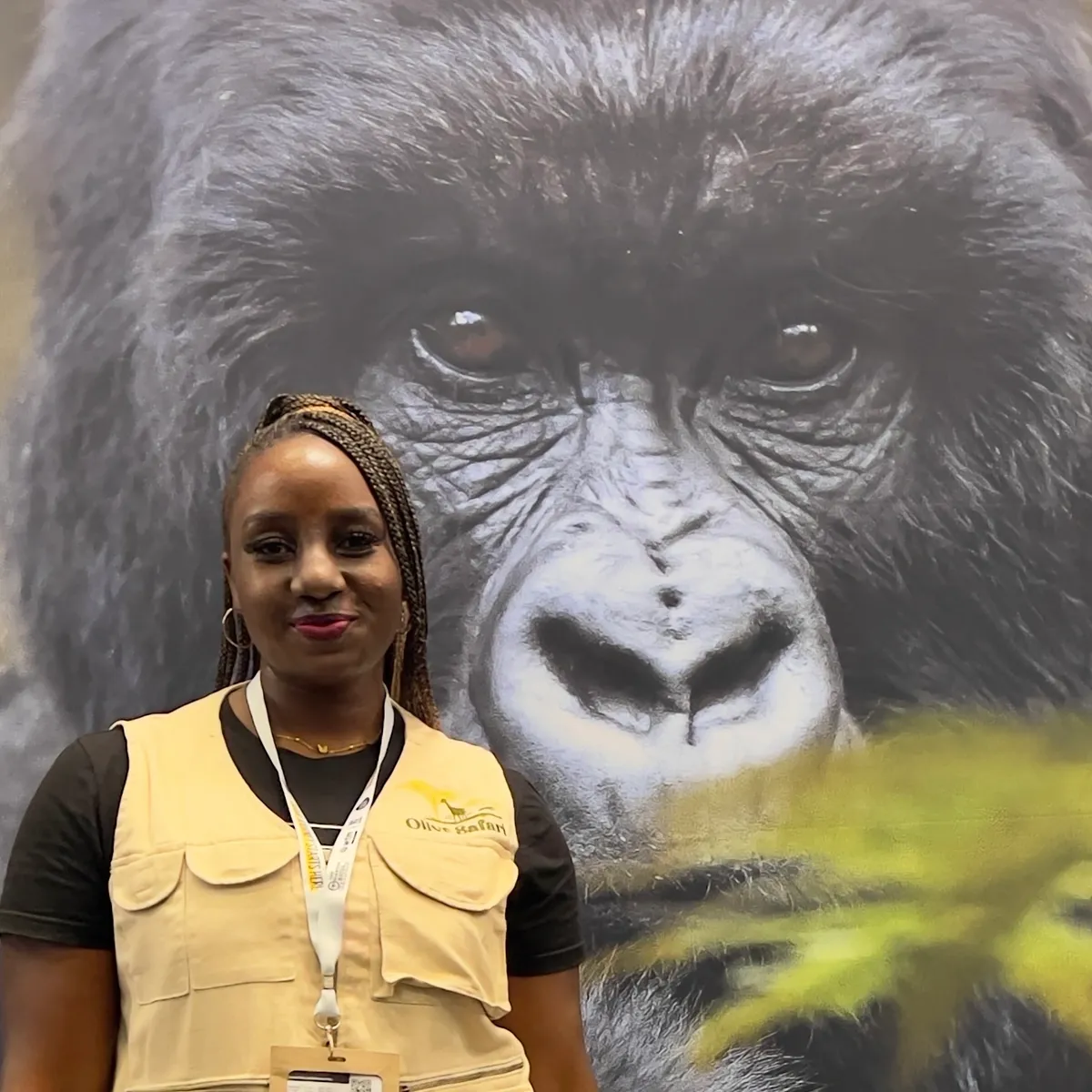
Director/Sales & Marketing: Tusiime Cheryl Myra

Cheryl, the eldest daughter of Olive, has embraced the responsibility of carrying forward her mother’s legacy with resilience and determination. After losing her father at the age of six, she was raised by her mother, Olive, with the support of Christer. Olive’s passing in 2017, when Cheryl was just 19, became a defining moment in her journey.

Having been involved in the foundations of Sunset Hotel Entebbe and Olive Safari Uganda from a young age, Cheryl stepped up to manage the businesses alongside Christer. Under his mentorship, she navigated the complexities of entrepreneurship and discovered her passion for tourism.

With a Master’s degree in Business Administration and hands-on leadership, Cheryl has been instrumental in maintaining loyal clientele at Sunset Hotel Entebbe, adapting it to post-COVID standards, and expanding Olive Safari Uganda. As a certified tour guide for Uganda, Tanzania and Zanzibar, she remains committed to upholding her mother’s vision of exceptional service and unforgettable travel experiences.

Christer Torstensson - Founder & CEO

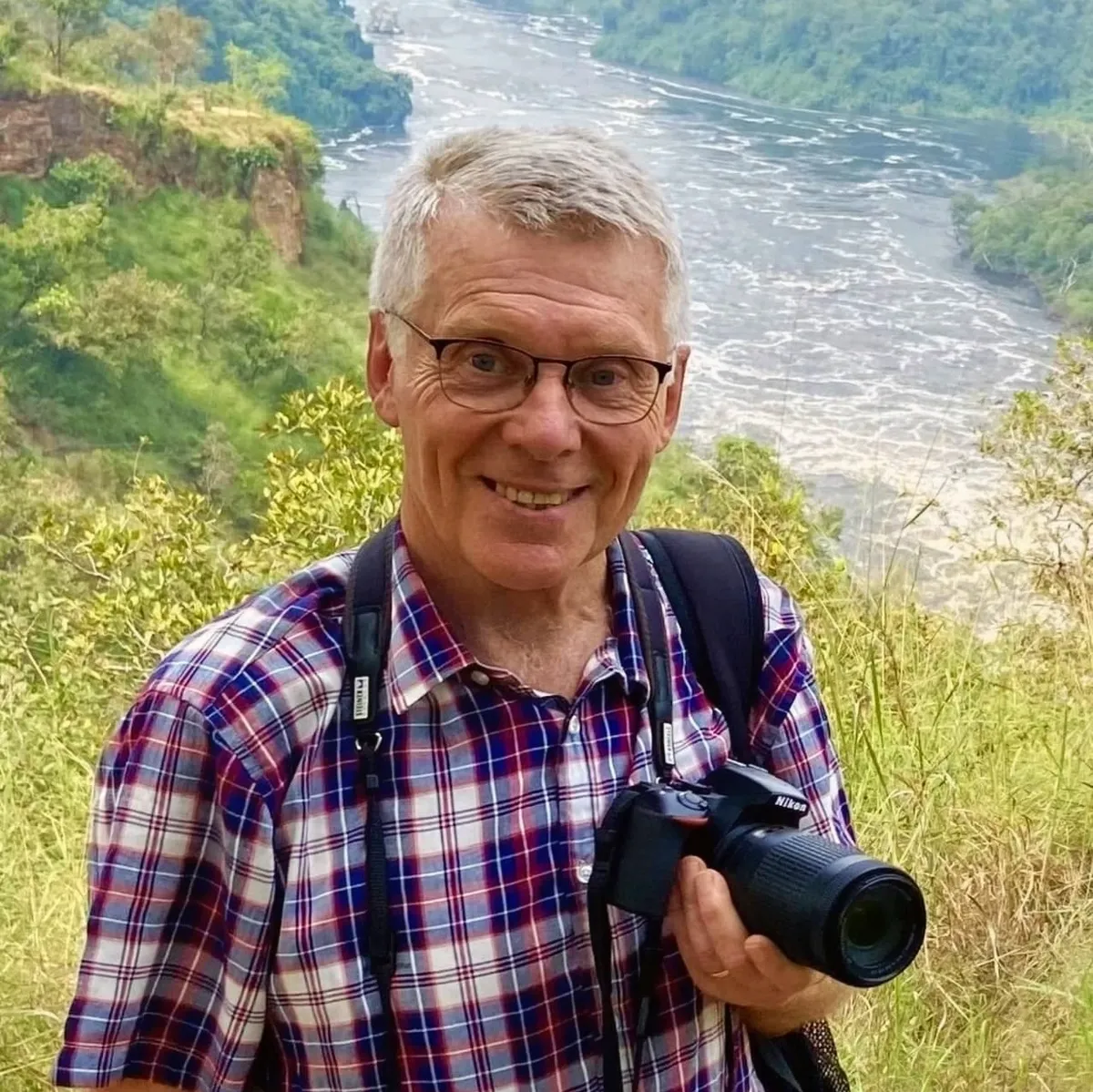
Founder & CEO: Christer Torstensson

Christer, a Swedish education consultant with over 40 years of experience guiding travelers across Africa, co-founded Olive Safari Uganda with a deep passion for the continent’s wonders. His extensive journeying, particularly through Zimbabwe, Uganda, Tanzania, and Kenya, enriched his understanding of Africa’s landscapes and cultures. As a consultant, he also contributed to education and development, notably establishing an automotive school in Zimbabwe. His work with the Global Journey program brought him to Uganda, where he collaborated with municipalities and fell in love with the country’s heritage.

During this time, he met Olive, whose exceptional leadership and organizational skills later turned their professional relationship into a personal one. Their shared vision led to the creation of Olive Safari Uganda in the early 2000s, followed later by Sunset Hotel Entebbe. While Christer split his time in Sweden managing the Global Journey program, Olive oversaw daily operations. Today, Olive Safari Uganda embodies Christer’s seasoned expertise as a guide and strategic insight, paired with Olive’s dedication, delivering outstanding safaris that showcase Uganda’s beauty and beyond.

Olive Ayebale.

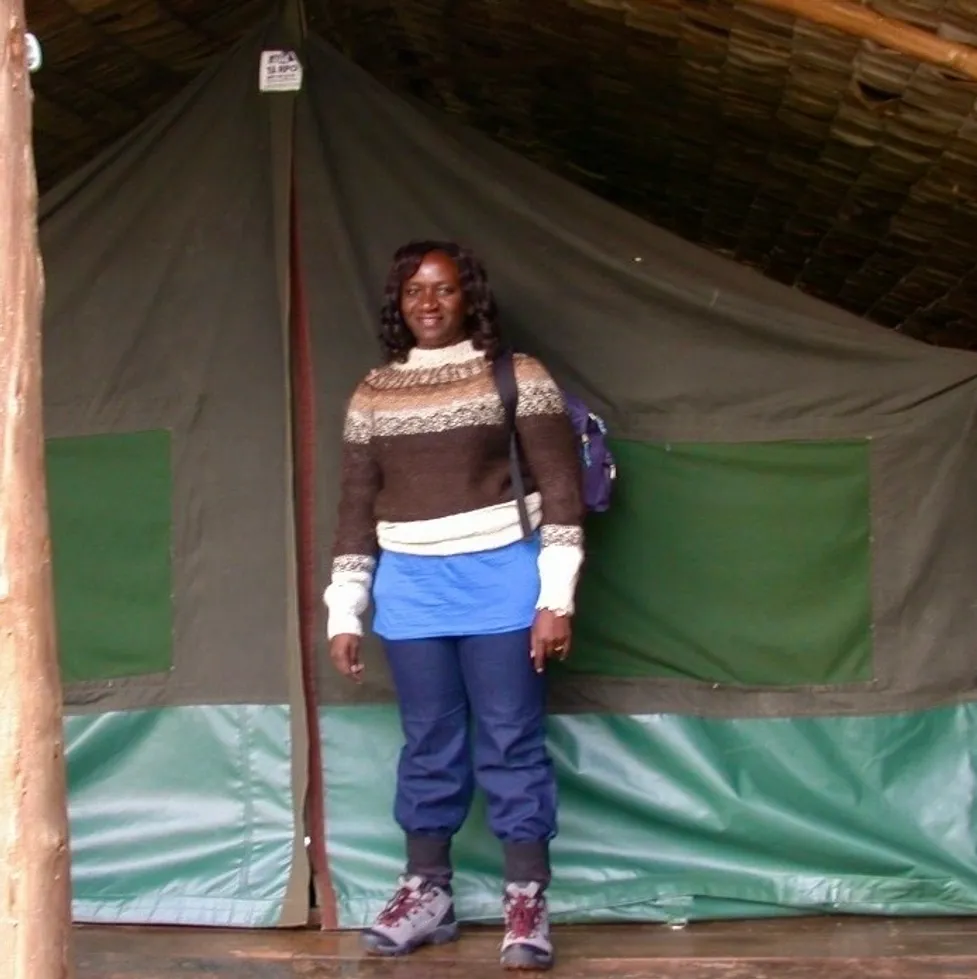
Founder & CEO: Ayebale Olive

Ayebale Olive, co-founder of Olive Safari Uganda, brought over 20 years of community service experience into the world of tourism. As secretary to Entebbe’s Mayor, she honed her skills in program management and international partnerships, playing a key role in the Global Journey program that linked Uganda and Sweden.

It was through this program that she met Christer—three years after the passing of her first husband, while raising three children. United by a shared passion for travel and discovery, they founded Olive Safari Uganda in the early 2000s. Their commitment to exceptional service quickly set the company apart.

As demand grew, they expanded their vision by establishing Sunset Hotel Entebbe, creating a welcoming space for travelers exploring Uganda. Olive’s legacy lives on, shaping the company’s dedication to authentic and unforgettable safari experiences