Wildlife Safari Experience in Lake Mburo National Park

Lake Mburo National Park Safari – Wildlife on Foot, by Boat and on Horseback

Wildlife in Lake Mburo National Park, Uganda

A Lake Mburo National Park safari is one of the easiest and most rewarding wildlife trips in Uganda. This compact park lies just a few hours from Kampala. Yet it feels wonderfully wild. Compared with Uganda’s vast savannah parks, it is cosy, quiet and very approachable.

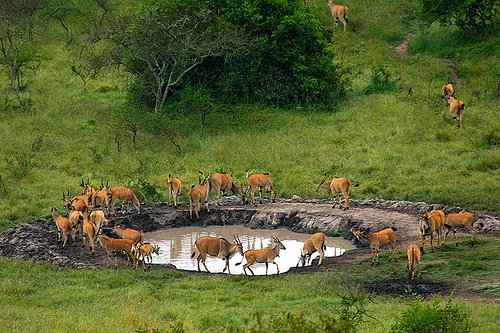
On a typical game drive, impalas leap across the grasslands and herds of zebra graze on the open plains. Meanwhile, elands, Africa’s largest antelopes, stride calmly through the acacia woodland. Nearby, Rothschild’s giraffes browse on the treetops. It is a classic African scene, but with far fewer vehicles.

Unlike most parks, Lake Mburo also lets you stretch your legs. With an armed ranger, you can join a walking safari and stop just metres from a herd of impala. Warthogs trot past, and you hear every rustle in the grass. As a result, you feel truly part of the wilderness.

The park’s lakes and swamps add even more variety. On a boat trip on Lake Mburo itself, you glide past yawning hippos and basking crocodiles. At the same time, kingfishers and African fish eagles hunt along the shore. Later, in the late afternoon, the hills turn golden and acacia silhouettes fill every view.

Because the park is small, you spend less time driving between sightings. Therefore, every outing feels personal and rewarding. Lake Mburo is not just a stopover on the way to the gorillas; it is a destination in its own right. In this guide, we explain how to get there, what to see, which activities to choose and where to stay.

Location and How to Get There

Lake Mburo National Park lies in south-western Uganda, roughly 240 kilometres from Kampala. By road, the drive takes about 4 to 5 hours along the Masaka–Mbarara highway. Mbarara is the nearest large town.

The journey itself is part of the fun. On the way, most travellers stop at the Equator line at Kayabwe for photos and a coffee. Later, you pass banana plantations, papyrus swamps and roadside markets selling fresh fruit. As a result, the drive never feels dull.

There are two main entrances. Nshara Gate is the closer gate when you come from Kampala. Sanga Gate lies further west, nearer Mbarara. From either gate, tracks lead to Rwonyo, the park headquarters.

Because the park sits on the main route to Bwindi Impenetrable National Park, Mgahinga and Queen Elizabeth National Park, it fits easily into multi-day safaris. It is also a great short break on its own. For example, our 2-day Lake Mburo safari is ideal if you have a weekend to spare. In fact, a short Lake Mburo National Park safari is one of the best ways to start or end a longer trip.

History and Background

Lake Mburo was first set aside as a controlled hunting area in 1933. Later, in 1963, it was upgraded to a game reserve. Then, in 1983, it became a national park to protect its savannah and wetland ecosystems.

The area has long been home to the Bahima, pastoralists who graze their famous long-horned Ankole cattle on these hills. As a result, people and wildlife have shared this landscape for generations. Today, the park is a centre for conservation and tourism. It aims to protect wildlife while involving nearby communities in its future.

Wildlife Attractions in Lake Mburo National Park

Lake Mburo is Uganda’s smallest savannah national park, yet it offers great variety and close encounters. More than 68 mammal species live here. Most notably, it is the best place in Uganda to see impala. You will also find zebras, elands, topi, Defassa waterbuck, buffaloes and Rothschild’s giraffes, which were introduced to the park in recent years.

Hippos wallow in the lakes, while crocodiles rest along the banks. Predators such as leopards, hyenas and side-striped jackals also roam the park. However, they are shy and are often easiest to find on a night drive. This mix of grazers and carnivores creates a classic safari scene, but on a more personal scale than Uganda’s larger parks.

Smaller creatures add to the fun. For instance, banded mongooses scurry across the tracks, and bushbucks hide in the thickets. Klipspringers are sometimes seen on rocky outcrops, too. In other words, there is always something to look at, even between the big herds.

The park is also a haven for birds, with more than 300 recorded species. Its savannah, woodland and wetland habitats attract a wide range of birdlife. Highlights include the elusive African finfoot, which is sometimes seen on boat trips. Look out, too, for the lilac-breasted roller, Ross’s turaco and red-faced barbet. In the swamps, the shoebill is occasionally reported.

Finally, the scenery is an attraction in itself. Rolling hills, acacia woodland, sparkling lakes and open plains create beautiful views at every turn. In short, a Lake Mburo National Park safari is a worthy addition to any tour of Uganda. It also combines easily with gorilla and chimpanzee trekking. For more inspiration, read our feature on Lake Mburo, the hidden gem of Uganda’s wilderness.
Activities on a Lake Mburo National Park Safari

Horseback Safaris in Lake Mburo

Horseback safari in Lake Mburo National Park, Uganda

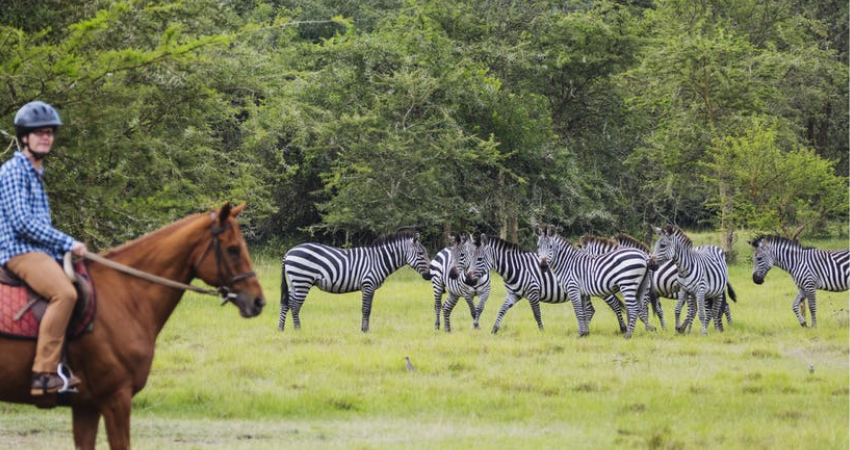
Lake Mburo is one of the very few places in Uganda where you can explore a park on horseback. It is a thrilling way to feel, see and hear the wilderness around you. Because animals do not see horses as a threat, you can often get closer than on a normal game drive.

Picture yourself riding alongside zebras, impalas, topi and elands, with giraffes feeding on acacias in the background. This quiet approach causes little disturbance. Consequently, your wildlife encounters feel calm and natural.

Rides suit both beginners and experienced riders. For example, first-time riders can choose a short ride of one or two hours. In contrast, confident riders can join longer trails that reach further corners of the park. Half-day rides often climb to a hilltop with sweeping views across the park and its lakes.

Before you set off, the team matches you with a suitable horse and gives a short safety briefing. Helmets are provided, and an experienced guide rides with you at all times. Long trousers and closed shoes make the ride more comfortable. If you have never ridden before, a short morning ride is a gentle introduction.

Horseback safaris appeal to photographers and adventurous travellers alike. Places are limited, so we recommend booking ahead. Above all, it is one of the most memorable ways to enjoy a Lake Mburo National Park safari.

Game Drives on a Lake Mburo National Park Safari

Game drive in Lake Mburo National Park, Uganda

The best time for a game drive is early in the morning or late in the afternoon, when animals are most active. The park’s rolling savannah and open acacia woodland make wildlife easy to spot. Here, you can see large herds of zebras and impalas, along with giraffes and big elands feeding quietly.

Buffaloes often move in herds across the plains. With luck, you may also see warthogs trotting between bushes or hippos heading back to the water after their night of grazing.

Because Lake Mburo is small, your chances of close sightings are high. In other words, you get a more intimate safari with less time in the vehicle. Different tracks also explore different landscapes, so each drive feels fresh. For example, some loops follow the lake shore, while others climb into the hills for wide views. Photographers love the golden evening light, which makes the savannah and wildlife glow.

Night drives are another highlight. With a spotlight, you may find leopards, hyenas, bushbabies and other nocturnal animals. Since the park is quiet after dark, every sighting feels special. For more ideas, see our wildlife tours in Uganda.

Birdwatching in Lake Mburo

Birdwatching in Lake Mburo National Park, Uganda

Lake Mburo is a fine birding destination, thanks to its mosaic of open savannah, acacia woodland, swamps and rocky outcrops. With more than 300 recorded species, it delights both keen birders and casual nature lovers.

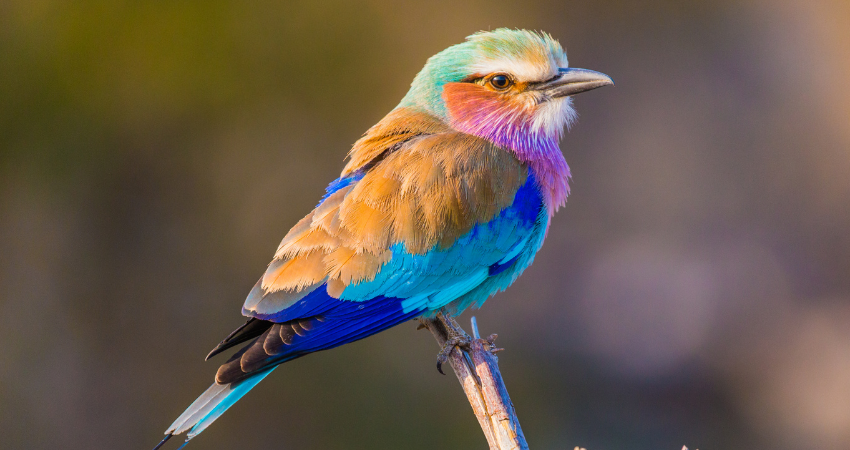
The wetlands and lake shores host sought-after species such as the African finfoot, papyrus gonolek and white-winged warbler. On a morning walk, you will often hear the African fish eagle calling over the lake. Meanwhile, malachite kingfishers dart low across the water. Ross’s turaco, with its glossy violet and crimson plumage, flashes through the trees. Lilac-breasted rollers add bright colour to the savannah.

The papyrus swamps are especially rewarding. Herons, storks and cormorants gather along the water’s edge. In addition, the small Rubanga Forest offers forest birds that you will not see on the plains, such as green pigeons and double-toothed barbets.

We highly recommend a guided birding walk. A skilled guide helps you find rarer species and understand their behaviour. To plan a wider birding trip, visit our bird watching in Uganda page.

Boat Cruises on Lake Mburo

Boat cruise on Lake Mburo, Uganda

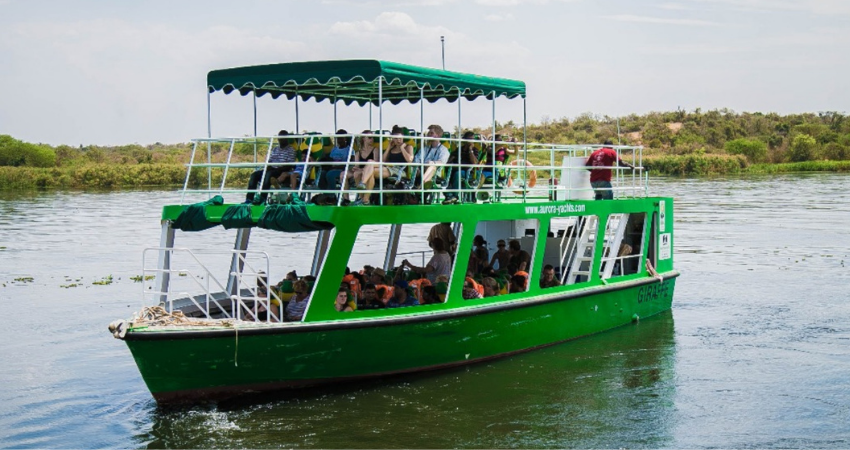
A boat trip on Lake Mburo is a real highlight and a relaxing way to explore the park’s waters. Pods of hippos wallow in the shallows, while large crocodiles bask on the banks.

Along the shore, the birdlife is superb. For instance, pied kingfishers hover before diving for fish, and African fish eagles call from the treetops. If you are lucky, you may also spot the secretive African finfoot, a special sighting for birders. Herons, cormorants and darters also perch along the fringes of the papyrus.

The scenery is lovely, too. Rolling hills stretch into the distance, and lush vegetation reflects on the calm water. Often, antelopes and buffaloes come down to drink, so you can enjoy good views from the boat.

Cruises leave from the jetty near Rwonyo and usually last a couple of hours. We like to book a morning or late-afternoon departure, when the light is soft and the animals are active. Bring a hat, sunscreen and binoculars, as there is little shade on the water.

Whether you love birds, wildlife or simply peace and quiet, the cruise is a refreshing change from a game drive. In short, it belongs on every visitor’s list.

Fishing on Lake Mburo

Fishing on Lake Mburo is a relaxing way to enjoy the park at a slower pace. Several fish species live in the lake, and tilapia is the most common catch. As a result, it suits both beginners and experienced anglers.

Fishing takes place only at designated sites, such as Mazinga, where calm water and lovely views make for a peaceful afternoon. You will need a fishing permit from the Uganda Wildlife Authority, and we can arrange this for you.

For many visitors, the real reward is the setting rather than the catch. While you wait for a bite, you can watch hippos in the water and waterbirds along the banks. In other words, it is a gentle, rewarding break between game drives.

Cultural Encounters Around Lake Mburo

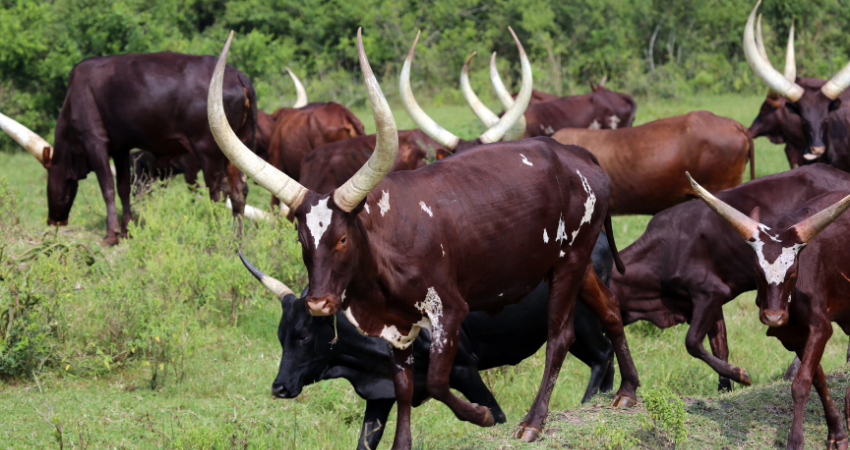
Long-horned Ankole cattle of the Bahima near Lake Mburo National Park

Wildlife is the main draw, but the region’s culture is just as fascinating. The Bahima are cattle keepers known for their long-horned Ankole cattle. For them, cattle are not only a source of living but also a symbol of wealth, tradition and identity.

On a cultural visit, you can see how local herders care for their cattle. For example, you may watch traditional grazing and milking and learn how milk products are prepared. You can also visit a Bahima homestead, watch traditional cooking and listen to stories passed down through generations.

Music, dance and storytelling bring the community’s culture to life. Moreover, these visits help you understand how people live alongside the park and its wildlife. Your visit also supports community tourism projects that help conservation and protect local traditions.

Many visitors find the Ankole cattle, with their huge curved horns, as memorable as the wildlife. A cultural stop is easy to add to a game drive day, so it fits neatly into even a short stay.

To explore more, see our cultural tours in Uganda and our guide to people and culture in Uganda.

Walking Safaris and Rubanga Forest Walks

Walking is one of the best reasons to visit. On a guided walking safari, an armed ranger leads you across the savannah on foot. Without an engine, you notice the small things: tracks in the dust, birdsong and the snort of a nervous impala. Walks usually take place in the cooler hours of the morning or late afternoon. Depending on the route, you may reach a viewpoint or the shore of the lake.

Similarly, a cycling safari lets you cover more ground at a gentle pace. Zebras and impalas often stand and watch as you pedal past. Both activities feel relaxed and personal. Even so, you always stay with your group and follow your ranger’s instructions.

For a change of scene, Rubanga Forest is a little-known gem in the west of the park. It offers a completely different experience from the open savannah and lake shores. Although small, it is home to dozens of bird species, including green pigeons, double-toothed barbets and African harrier-hawks.

Shaded trails lead you past giant fig trees, acacias and thick undergrowth full of butterflies. You might also see monkeys moving through the trees or hear turacos calling across the canopy. A park ranger guides the walk and explains how the forest works. Overall, it is a peaceful, immersive outing that complements the rest of your visit.

Best Time for a Lake Mburo National Park Safari

The park is open all year, but the season can shape your experience. Wildlife viewing is best in the dry seasons, from June to August and December to February. During these months, smaller water sources dry up. Consequently, zebras, impalas, giraffes, elands and buffaloes gather near the lakes and swamps.

Early morning and late afternoon drives give you the best chance to see large herds up close. In addition, the drier ground makes walking safaris, horse rides and cycling more comfortable.

During the rainy seasons, from March to May and September to November, the park turns lush and green. The fresh scenery makes a beautiful backdrop for photography. It also attracts migratory and resident birds, so birders love this time of year. Lakes and swamps are full, which suits hippos, crocodiles and waterbirds.

However, some tracks and paths can be slippery, so bring good footwear and a rain jacket. In the end, choose the dry months for easier game viewing, or the green season for birds and photography. For more detail, read our Uganda climate guide.

Why Choose a Lake Mburo National Park Safari?

Lake Mburo is all about intimacy and variety. Unlike larger parks, it offers guided walking, cycling and horseback safaris. It is also the best place in Uganda to get close to impalas and zebras.

Because it is close to Kampala, the park is easy to reach for a short break. Furthermore, it makes a perfect stop before or after gorilla trekking in Bwindi or in Rwanda’s Volcanoes National Park. Breaking the long drive here means you arrive at the gorillas rested and ready. For travellers who want an active, varied itinerary, it is hard to beat.

A Lake Mburo National Park safari also suits families and first-time visitors. Distances are short, the wildlife is easy to see and the range of activities keeps everyone busy. Meanwhile, keen photographers enjoy the soft light, open views and relaxed animals. In short, there is something here for almost every traveller.

Many guests add Lake Mburo to a longer journey, such as our 7-day Uganda safari with gorillas, chimpanzees and wildlife. Others pair it with gorilla trekking on our 3-day Bwindi gorilla trekking safari. To compare it with other parks, see our complete guide to Uganda’s national parks.

Travel Tips for a Lake Mburo National Park Safari

Good planning helps you enjoy a safe, comfortable and memorable trip. Here are our top tips:

  • Clothing: wear light cotton clothes and bring a warm layer, as early game drives and horse rides can feel chilly.
  • Colours: choose neutral shades such as khaki, green or brown for walking safaris.
  • Footwear: closed walking shoes are best for walks, cycling and forest trails.
  • Optics: pack binoculars and a good camera to enjoy zebras, giraffes and birds up close.
  • Book early: night drives, walking safaris and horseback rides are popular, so reserve them in advance.
  • Health: the area has malaria, so use insect repellent and ask your doctor about prevention.
  • Costs: allow for park entry fees and guided activities. We quote the current official Uganda Wildlife Authority rates when you book.

How long should you stay? One night gives you a good taste of the park. However, two nights let you combine a game drive, a boat cruise and a walking or horseback safari without rushing.

For general travel advice, the official Visit Uganda website is also useful. By following these tips, you can enjoy the wildlife, culture and landscapes of your Lake Mburo National Park safari to the full.

Accommodation for Your Lake Mburo National Park Safari

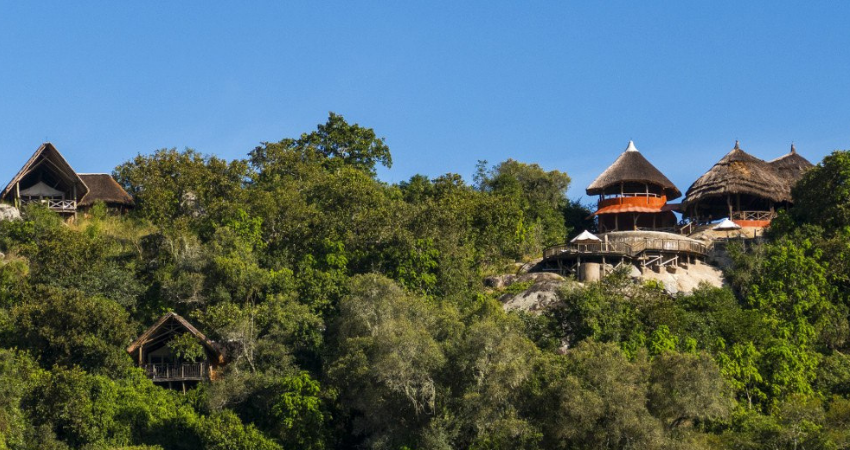
Luxury safari lodge accommodation at Lake Mburo National Park

Lake Mburo has accommodation for every budget, both inside the park and just outside its boundaries. Where you stay can shape your trip. For example, lodges near the horseback and walking areas make those activities easy, while camps at Rwonyo are close to the lake. Here are some of our favourite options.

Luxury Accommodation

For comfort, privacy and character, Mihingo Lodge is a superb choice. It sits on a hill with wide views over the savannah and distant lakes. Its cottages have verandas that are ideal for watching sunrise and sunset over the plains. In addition, guests enjoy excellent meals, personal service and guided activities, including horseback safaris among zebras, giraffes and impalas. Overall, it blends comfort and nature in an authentic safari setting.

Mid-Range Accommodation

Mid-range lodges such as Rwakobo Rock and Arcadia Cottages offer a great balance of comfort, access and value. They lie close to the park, so early game drives, walking safaris and boat cruises are easy to reach. Rooms are comfortable, and many have private terraces overlooking the bush or nearby lakes. These lodges suit couples, small groups and families who want a quality safari without top-end prices.

Budget Accommodation

Budget travellers are well catered for, too. Places such as Eagle’s Nest and Leopard Rest Camp are clean, comfortable and affordable. Rooms are simple, and staff are friendly and helpful. Inside the park, the Uganda Wildlife Authority also runs simple bandas and campsites at Rwonyo. Staying here cuts travel time for early drives and night drives. As a result, these options still give you an authentic safari experience.

Ready to plan your Lake Mburo National Park safari? Tell us your dates and interests, and we will create the perfect itinerary for you. Contact us today to start planning.

Book Now

Name

Related wildlife Tours

Scroll to Top

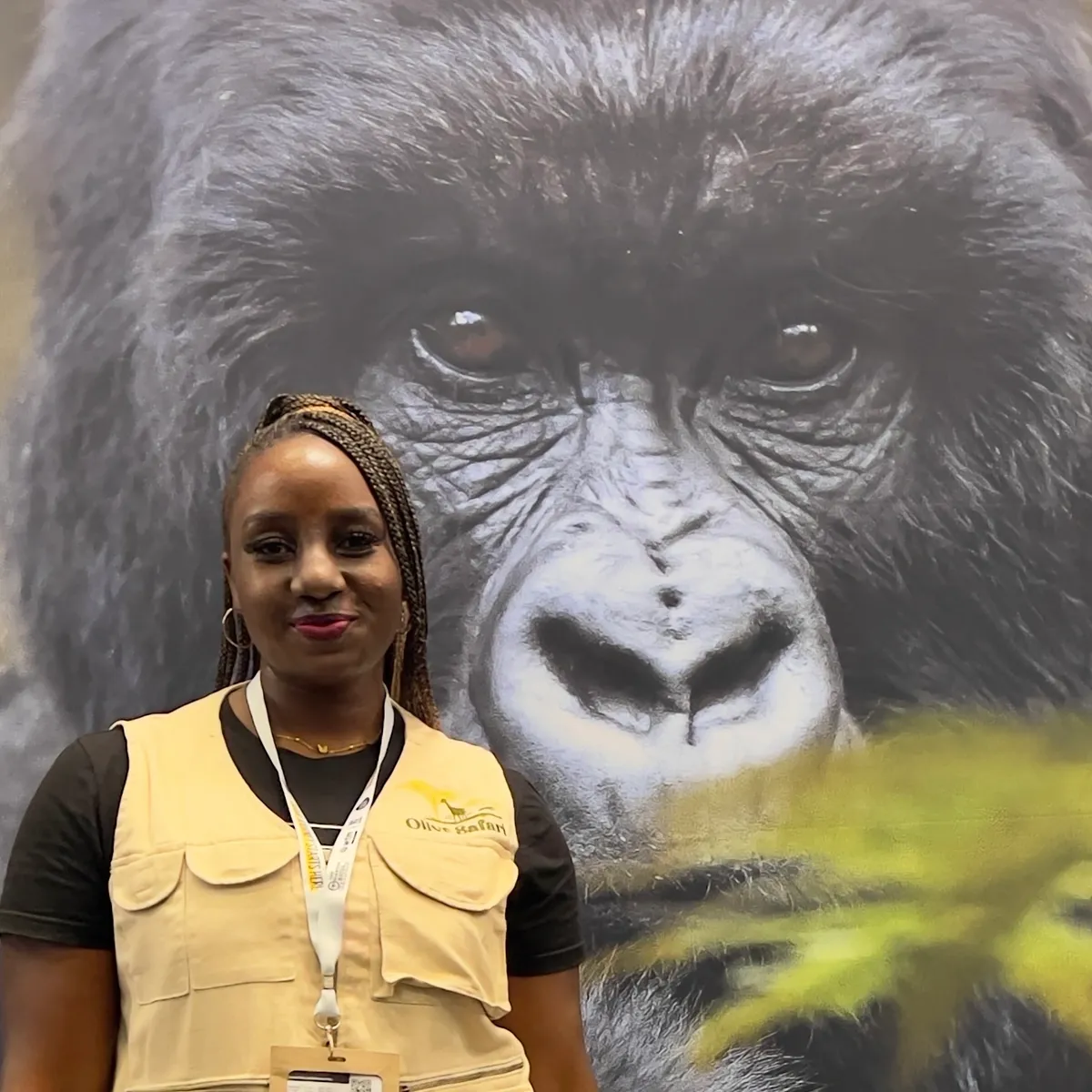
Director/Sales & Marketing: Tusiime Cheryl Myra

Cheryl, the eldest daughter of Olive, has embraced the responsibility of carrying forward her mother’s legacy with resilience and determination. After losing her father at the age of six, she was raised by her mother, Olive, with the support of Christer. Olive’s passing in 2017, when Cheryl was just 19, became a defining moment in her journey.

Having been involved in the foundations of Sunset Hotel Entebbe and Olive Safari Uganda from a young age, Cheryl stepped up to manage the businesses alongside Christer. Under his mentorship, she navigated the complexities of entrepreneurship and discovered her passion for tourism.

With a Master’s degree in Business Administration and hands-on leadership, Cheryl has been instrumental in maintaining loyal clientele at Sunset Hotel Entebbe, adapting it to post-COVID standards, and expanding Olive Safari Uganda. As a certified tour guide for Uganda, Tanzania and Zanzibar, she remains committed to upholding her mother’s vision of exceptional service and unforgettable travel experiences.

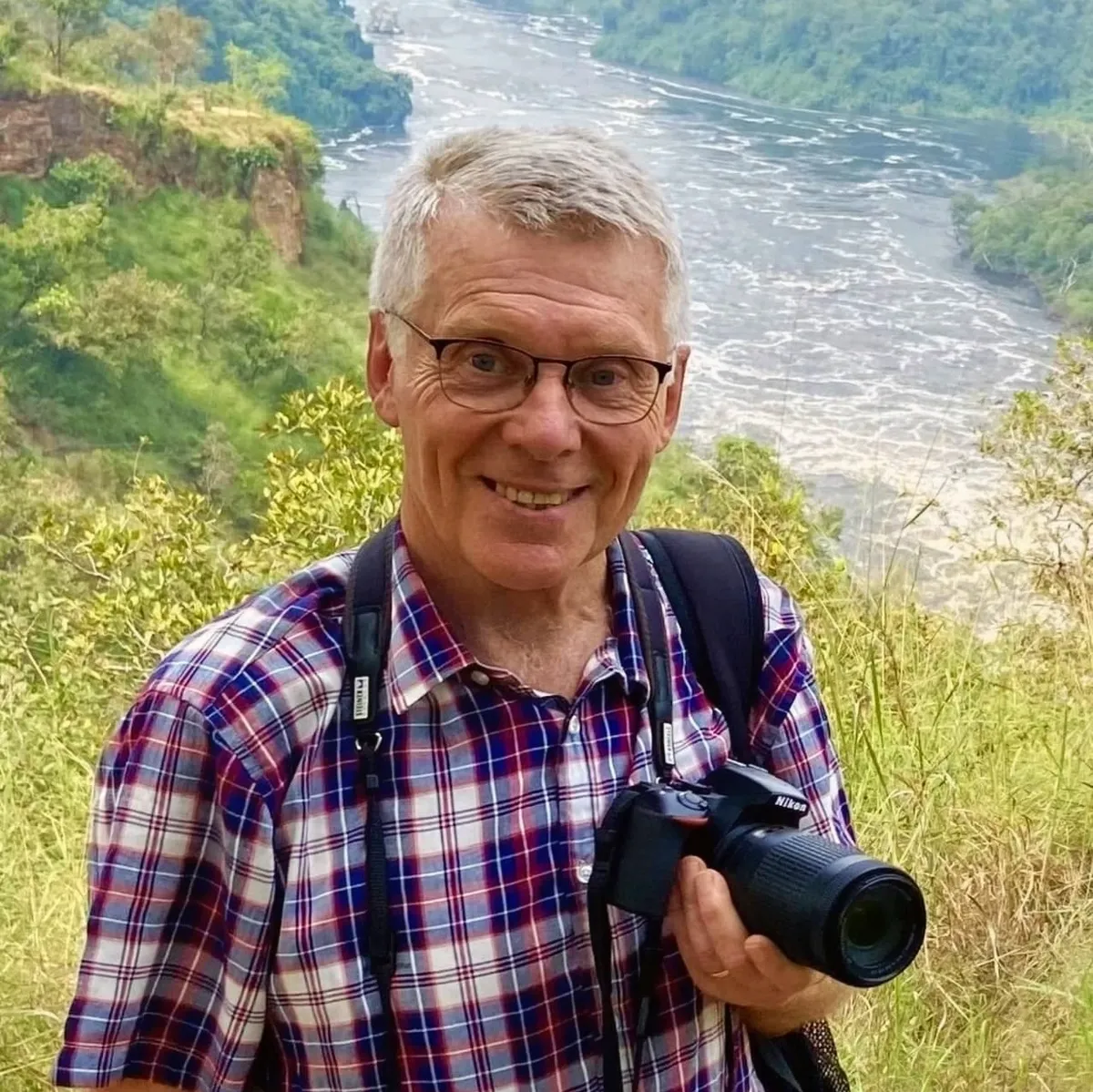
Christer Torstensson - Founder & CEO

Founder & CEO: Christer Torstensson

Christer, a Swedish education consultant with over 40 years of experience guiding travelers across Africa, co-founded Olive Safari Uganda with a deep passion for the continent’s wonders. His extensive journeying, particularly through Zimbabwe, Uganda, Tanzania, and Kenya, enriched his understanding of Africa’s landscapes and cultures. As a consultant, he also contributed to education and development, notably establishing an automotive school in Zimbabwe. His work with the Global Journey program brought him to Uganda, where he collaborated with municipalities and fell in love with the country’s heritage.

During this time, he met Olive, whose exceptional leadership and organizational skills later turned their professional relationship into a personal one. Their shared vision led to the creation of Olive Safari Uganda in the early 2000s, followed later by Sunset Hotel Entebbe. While Christer split his time in Sweden managing the Global Journey program, Olive oversaw daily operations. Today, Olive Safari Uganda embodies Christer’s seasoned expertise as a guide and strategic insight, paired with Olive’s dedication, delivering outstanding safaris that showcase Uganda’s beauty and beyond.

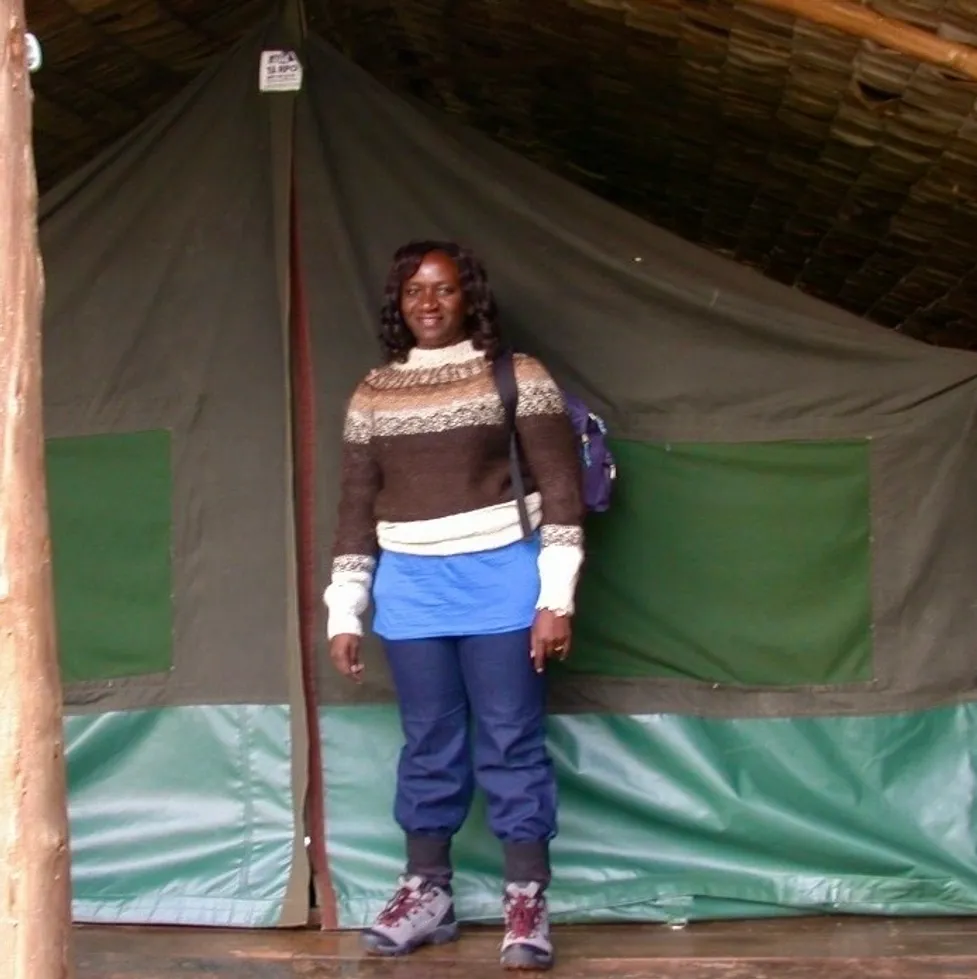
Olive Ayebale.

Founder & CEO: Ayebale Olive

Ayebale Olive, co-founder of Olive Safari Uganda, brought over 20 years of community service experience into the world of tourism. As secretary to Entebbe’s Mayor, she honed her skills in program management and international partnerships, playing a key role in the Global Journey program that linked Uganda and Sweden.

It was through this program that she met Christer—three years after the passing of her first husband, while raising three children. United by a shared passion for travel and discovery, they founded Olive Safari Uganda in the early 2000s. Their commitment to exceptional service quickly set the company apart.

As demand grew, they expanded their vision by establishing Sunset Hotel Entebbe, creating a welcoming space for travelers exploring Uganda. Olive’s legacy lives on, shaping the company’s dedication to authentic and unforgettable safari experiences