Gorilla Family Structure, Social Life, and Daily Habits: A Complete Guide for Gorilla Trekking Visitors in Uganda
July 10, 2026
Uganda has ten national parks, each with a distinct character. The table below is a quick reference; short profiles follow.
National Park | Famous for |
Bwindi Impenetrable | Mountain gorilla trekking |
Queen Elizabeth | Tree-climbing lions, Kazinga Channel |
Murchison Falls | Big game and the mighty falls |
Kibale | Chimpanzees and forest primates |
Kidepo Valley | Remote, dramatic wilderness |
Lake Mburo | Walking safaris and zebra |
Mgahinga Gorilla | Golden monkeys and volcanoes |
Semuliki | Hot springs and Congo-basin birds |
Rwenzori Mountains | Alpine hiking and glaciers |
Mount Elgon | Volcano trekking and Sipi Falls |
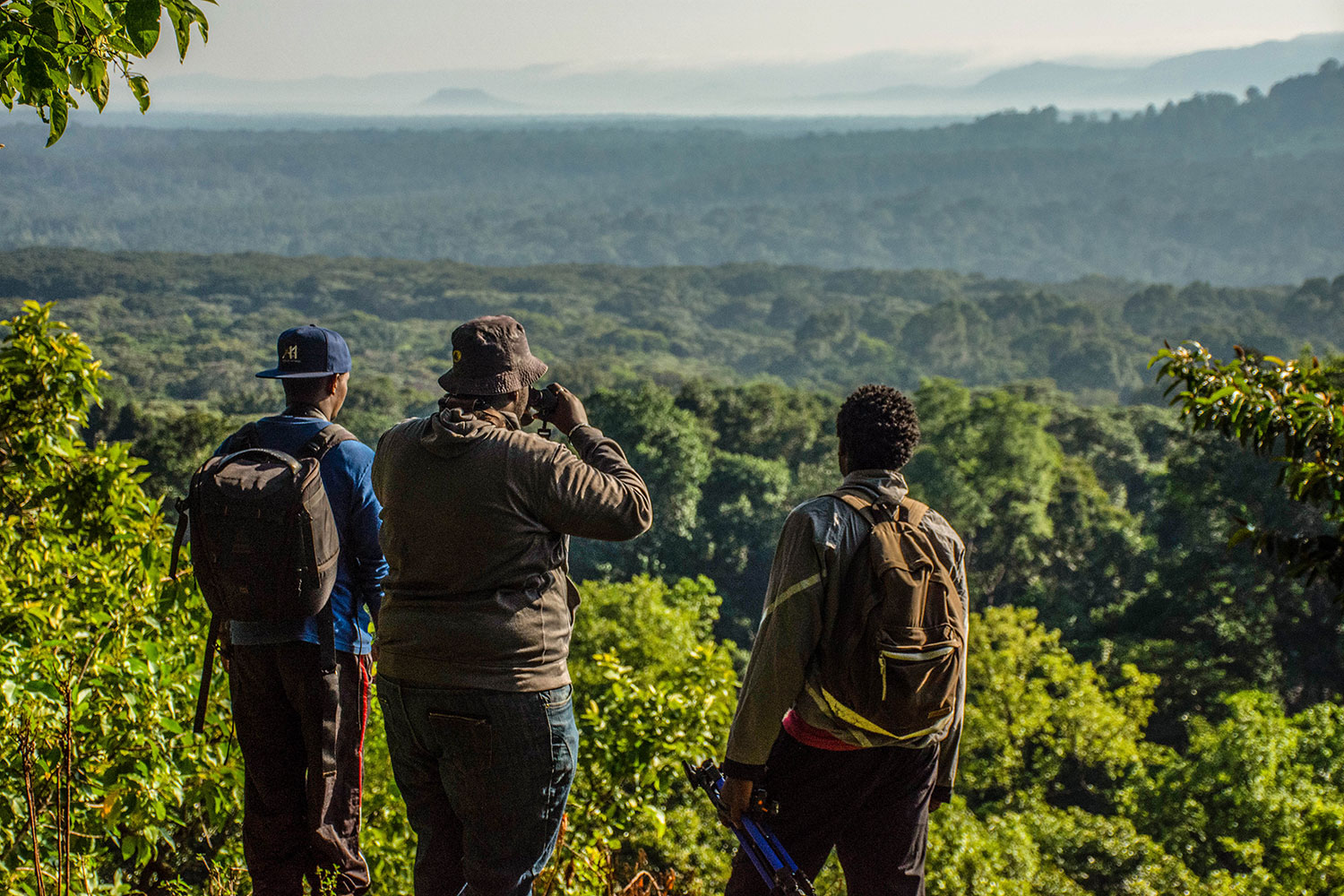
Uganda’s 10 national parks protect some of the most diverse landscapes in Africa. From ancient rainforests and snow-capped mountains to vast savannahs, wetlands, crater lakes, and volcanic peaks, each park offers a completely different safari experience.
Unlike many African destinations where visitors focus solely on game drives, Uganda offers an incredible variety of activities including gorilla trekking, chimpanzee tracking, guided nature walks, boat safaris, mountain climbing, birdwatching, cultural encounters, horseback safaris, and canoeing.
Together, Uganda’s national parks cover over 11,000 square kilometres and are managed by the Uganda Wildlife Authority (UWA), whose conservation efforts have helped restore wildlife populations while supporting surrounding communities through tourism revenue.
Few places on Earth inspire as much anticipation as Bwindi Impenetrable National Park. Located in the rolling hills of southwestern Uganda along the edge of the Albertine Rift, this UNESCO World Heritage Site is one of Africa’s oldest and most biologically important rainforests. Scientists estimate that parts of the forest have existed continuously for more than 25,000 years, making it a living museum of biodiversity.
Covering approximately 331 square kilometres, Bwindi’s dense vegetation, tangled vines, towering hardwood trees, and steep valleys create the perfect habitat for one of the world’s rarest mammals—the endangered mountain gorilla. Today, the park protects roughly half of the world’s remaining mountain gorillas, making Uganda the global leader in gorilla conservation.
Gorilla trekking is undoubtedly Bwindi’s main attraction. Every morning, small groups of visitors set off with experienced guides and trackers to search for one of the park’s habituated gorilla families. The trek can last anywhere from one to six hours, depending on the gorillas’ location. Still, the reward is extraordinary: spending one unforgettable hour quietly observing these gentle giants as they feed, groom, play, and interact within their family groups. Few wildlife experiences rival the emotional impact of making eye contact with a wild silverback in its natural habitat.
The park is divided into four trekking sectors, each offering a distinct experience:
Beyond gorillas, Bwindi is an ecological treasure. The forest supports over 120 mammal species, more than 350 bird species, including 23 Albertine Rift endemics, around 220 butterfly species, and over 1,000 flowering plant species. It is widely regarded as one of Africa’s premier destinations for birdwatching and nature photography.
For many visitors, Bwindi is more than just a national park—it is the emotional highlight of an entire African journey.
Highlights
Recommended stay: 2–3 nights
Stretching from the foothills of the Rwenzori Mountains to the shores of Lake Edward, Queen Elizabeth National Park is Uganda’s most visited national park and one of the country’s most diverse protected areas.
Covering almost 2,000 square kilometres, the park encompasses an extraordinary variety of habitats including open savannah, acacia woodland, crater lakes, wetlands, tropical forest, riverine vegetation, and volcanic landscapes. This remarkable diversity supports more than 95 mammal species and over 620 bird species, giving Queen Elizabeth one of the highest bird counts of any protected area in Africa.
The park is perhaps best known for the famous tree-climbing lions of the Ishasha sector. Unlike most lions, these unique predators regularly climb giant fig trees, where they rest for hours while escaping the midday heat and watching for prey below. Seeing several lions draped across tree branches is one of Uganda’s most iconic safari experiences.
Another highlight is the Kazinga Channel, a 32-kilometre natural waterway connecting Lakes George and Edward. Boat cruises along the channel offer some of the best wildlife viewing in Africa. Hippos crowd the shoreline, elephants come to drink, buffalo wallow in the shallows, crocodiles bask on muddy banks, and countless waterbirds fill the surrounding wetlands.
The northern Kasenyi Plains provide excellent game drives, particularly for Uganda kob, lions, elephants, hyenas, and leopards, while nearby Kyambura Gorge offers unforgettable chimpanzee tracking within a spectacular forest canyon.
Highlights
Recommended stay: 2–3 nights
As Uganda’s largest and oldest national park, Murchison Falls National Park offers some of the country’s most spectacular scenery and wildlife viewing.
The park covers nearly 3,900 square kilometres and is divided by the mighty River Nile, which dramatically transforms at Murchison Falls. Here, the world’s longest river is squeezed through a narrow gorge only seven metres wide before plunging 45 metres into the turbulent Devil’s Cauldron below. The sheer power of the falls creates thunderous spray, rainbows, and one of Africa’s most impressive natural spectacles.
Boat safaris to the base of the falls are among Uganda’s classic wildlife experiences. Along the riverbanks, visitors regularly encounter enormous pods of hippos, basking Nile crocodiles, elephants, buffalo, waterbuck, and an abundance of birdlife, including African fish eagles, kingfishers, bee-eaters, and the rare shoebill in nearby wetlands.
North of the Nile, expansive savannah plains provide excellent game drives where visitors can search for lions, leopards, Rothschild’s giraffes, elephants, buffalo, hartebeest, oribi, Jackson’s hartebeest, and Uganda kob.
The nearby Budongo Forest Reserve adds another dimension to the experience with guided chimpanzee tracking and forest walks beneath towering mahogany trees.
Highlights
Recommended stay: 2–3 nights
Kibale National Park
Often called Africa’s Primate Capital, Kibale National Park protects one of the largest remaining tropical rainforests in East Africa.
The park is internationally renowned for its exceptional chimpanzee tracking, with around 1,500 chimpanzees living within its forests. Morning and afternoon tracking excursions provide outstanding opportunities to observe these intelligent great apes feeding, communicating, grooming, and moving rapidly through the forest canopy.
Kibale also supports an incredible 13 species of primates, including red-tailed monkeys, L’Hoest’s monkeys, black-and-white colobus, blue monkeys, olive baboons, and grey-cheeked mangabeys, making it one of the richest primate habitats on Earth.
Adjacent to the park lies the Bigodi Wetland Sanctuary, a community-managed conservation area famous for birdwatching, monkey sightings, butterflies, and successful community tourism initiatives that directly benefit residents.
Highlights
Recommended stay: 2 nights
Hidden in Uganda’s remote northeastern corner, Kidepo Valley National Park is widely regarded as one of Africa’s last great wilderness areas.
Its dramatic landscapes of sweeping savannah, rugged mountains, seasonal rivers, and isolated valleys create an atmosphere unlike anywhere else in Uganda. The park’s remoteness means visitor numbers remain low, allowing for an exceptionally exclusive safari experience.
Kidepo is one of the few places in Uganda where visitors may encounter cheetahs, ostriches, bat-eared foxes, and large prides of lions. Buffalo herds numbering in the thousands roam the plains, while elephants, giraffes, zebras, and numerous antelope species complete the classic safari scene.
The nearby Karamojong communities also offer fascinating cultural experiences that provide insight into one of Uganda’s most distinctive pastoral cultures.
Highlights
Recommended stay: 3 nights
Just a four-hour drive from Kampala, Lake Mburo National Park is Uganda’s most accessible savannah park and an excellent introduction to safari.
Unlike most African parks, Lake Mburo offers activities that allow visitors to experience wildlife on foot, by bicycle, horseback, and by boat. The absence of elephants and resident lions in most visitor areas makes guided walking safaris particularly enjoyable.
The park is famous for its large populations of zebras, impalas (found nowhere else in Uganda’s national parks), eland, topi, buffalo, giraffes, hippos, crocodiles, and over 350 bird species.
Its rolling hills, acacia woodlands, lakes, and wetlands create beautiful scenery that contrasts sharply with Uganda’s larger savannah parks.
Highlights
Recommended stay: 1–2 nights
Situated within the spectacular Virunga Volcanoes, Mgahinga Gorilla National Park may be Uganda’s smallest national park, but it offers some of its greatest adventures.
The park protects the Ugandan slopes of three extinct volcanoes:Mount Muhabura, Mount Gahinga, and Mount Sabyinyo and shares its ecosystem with neighbouring Rwanda and the Democratic Republic of Congo.
Visitors can enjoy both mountain gorilla trekking and the unique opportunity to track endangered golden monkeys through bamboo forests. Hiking the volcanic peaks rewards adventurous travellers with breathtaking views across three countries and diverse vegetation zones ranging from rainforest to alpine moorland.
The park is also home to the indigenous Batwa people, whose cultural experiences provide valuable insight into the lives of the forest’s original inhabitants.
Highlights
Recommended stay: 2 nights
Nestled within the western arm of the Great Rift Valley, Semuliki National Park feels strikingly different from the rest of Uganda.
Its dense lowland rainforest is an extension of the vast Congo Basin, making it one of the country’s most distinctive ecosystems. Birdwatchers particularly value Semuliki because many of its species occur nowhere else in East Africa.
The park’s best-known attraction is the dramatic Sempaya Hot Springs, where boiling water bursts from deep underground. Local guides demonstrate the intense heat by cooking eggs and bananas directly in the steaming water.
Highlights
Recommended stay: 1–2 nights
Known as the legendary Mountains of the Moon, the Rwenzori Mountains National Park protects Africa’s highest mountain range after Kilimanjaro.
This UNESCO World Heritage Site offers one of the continent’s most challenging and rewarding trekking experiences. Multi-day expeditions climb through lush montane forest, bamboo zones, giant heather forests, and surreal Afro-alpine landscapes filled with giant lobelias and groundsels before reaching the glaciers surrounding Margherita Peak (5,109 metres).
Unlike many African mountains, the Rwenzoris are celebrated as much for their extraordinary biodiversity and scenery as for their summit.
Highlights
Recommended stay: 5–8 days for summit treks
Straddling the Uganda-Kenya border, Mount Elgon National Park protects one of the world’s oldest extinct volcanoes.
Its enormous caldera, among the largest on Earth, offers gentle trekking routes through montane forest, caves, waterfalls, and moorland to Wagagai Peak (4,321 metres).
Nearby, the picturesque Sipi Falls cascade down the foothills of Mount Elgon and have become famous for hiking, abseiling, coffee tours, and spectacular scenery. The surrounding region produces some of Uganda’s finest Arabica coffee, making it an excellent destination for travellers interested in both nature and local culture.
Highlights
Recommended stay: 2–4 nights
With our exceptional personalised safaris throughout East Africa, you will have the opportunity to enjoy the debut wildlife safaris in Tanzania, magical gorilla trekking in Uganda and Rwanda, and experiential cultural tours that take you to the soul of Africa.
WhatsApp us
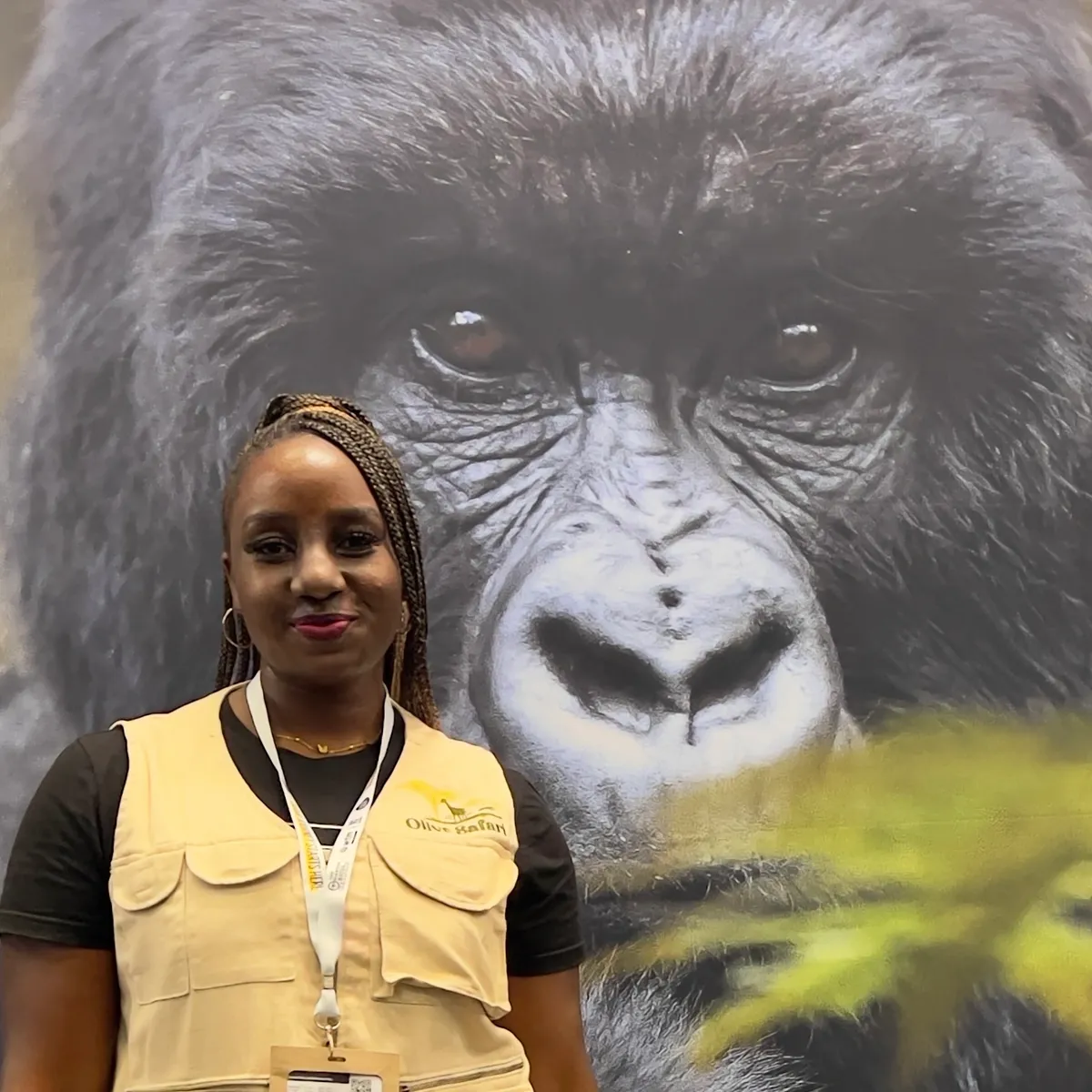
Cheryl, the eldest daughter of Olive, has embraced the responsibility of carrying forward her mother’s legacy with resilience and determination. After losing her father at the age of six, she was raised by her mother, Olive, with the support of Christer. Olive’s passing in 2017, when Cheryl was just 19, became a defining moment in her journey.
Having been involved in the foundations of Sunset Hotel Entebbe and Olive Safari Uganda from a young age, Cheryl stepped up to manage the businesses alongside Christer. Under his mentorship, she navigated the complexities of entrepreneurship and discovered her passion for tourism.
With a Master’s degree in Business Administration and hands-on leadership, Cheryl has been instrumental in maintaining loyal clientele at Sunset Hotel Entebbe, adapting it to post-COVID standards, and expanding Olive Safari Uganda. As a certified tour guide for Uganda, Tanzania and Zanzibar, she remains committed to upholding her mother’s vision of exceptional service and unforgettable travel experiences.
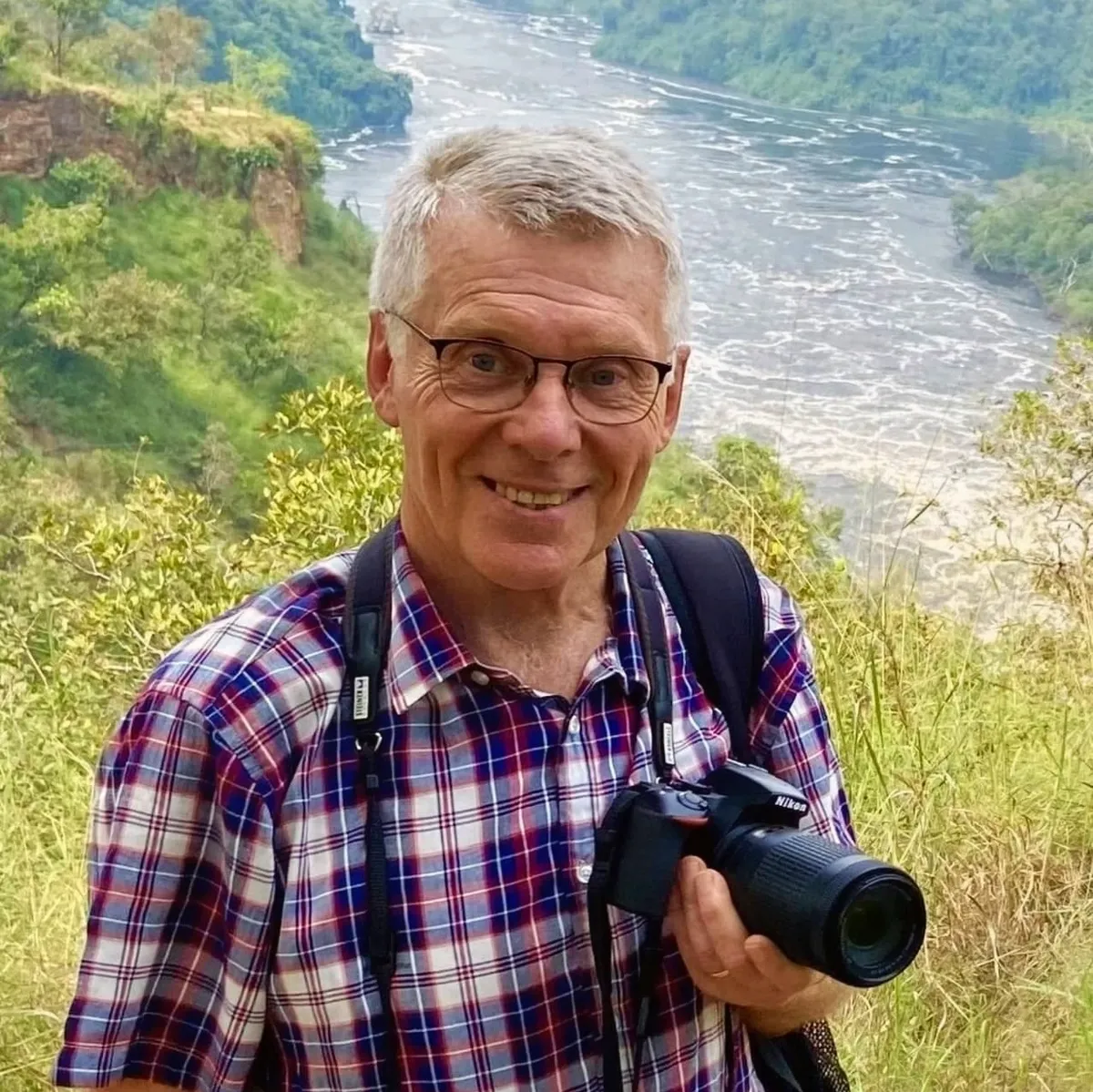
Christer, a Swedish education consultant with over 40 years of experience guiding travelers across Africa, co-founded Olive Safari Uganda with a deep passion for the continent’s wonders. His extensive journeying, particularly through Zimbabwe, Uganda, Tanzania, and Kenya, enriched his understanding of Africa’s landscapes and cultures. As a consultant, he also contributed to education and development, notably establishing an automotive school in Zimbabwe. His work with the Global Journey program brought him to Uganda, where he collaborated with municipalities and fell in love with the country’s heritage.
During this time, he met Olive, whose exceptional leadership and organizational skills later turned their professional relationship into a personal one. Their shared vision led to the creation of Olive Safari Uganda in the early 2000s, followed later by Sunset Hotel Entebbe. While Christer split his time in Sweden managing the Global Journey program, Olive oversaw daily operations. Today, Olive Safari Uganda embodies Christer’s seasoned expertise as a guide and strategic insight, paired with Olive’s dedication, delivering outstanding safaris that showcase Uganda’s beauty and beyond.
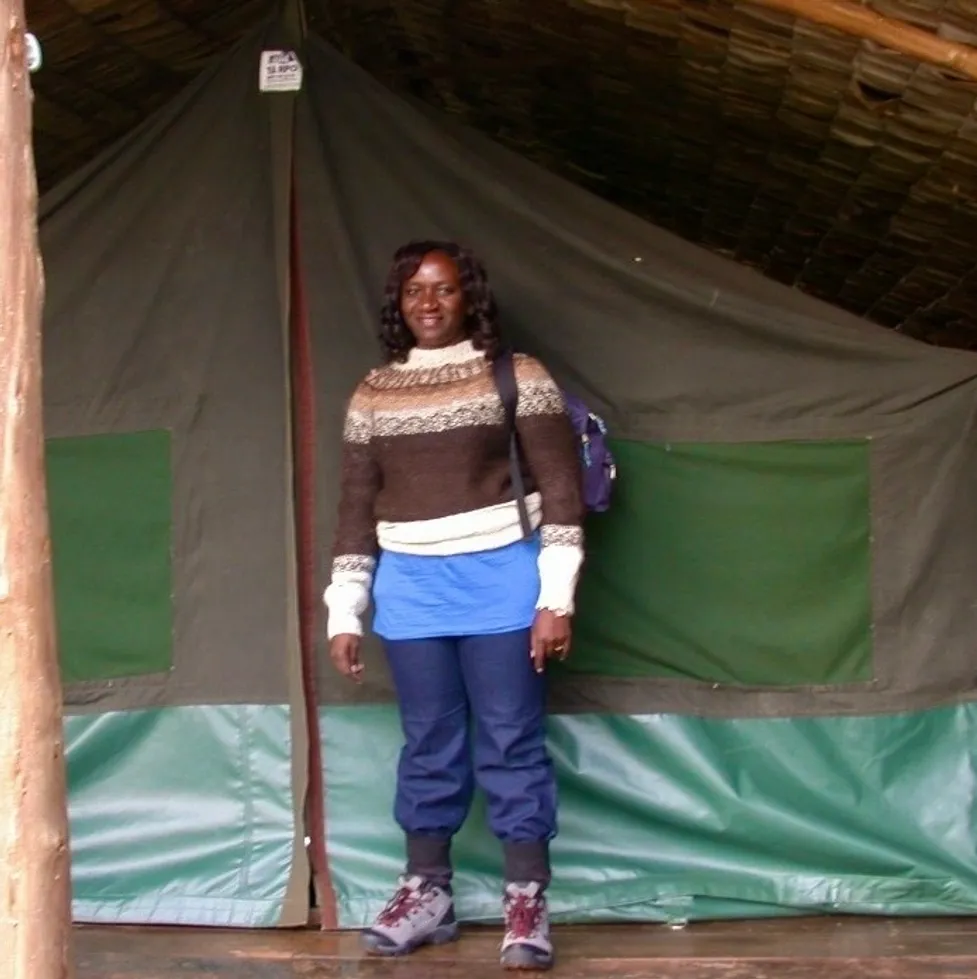
Ayebale Olive, co-founder of Olive Safari Uganda, brought over 20 years of community service experience into the world of tourism. As secretary to Entebbe’s Mayor, she honed her skills in program management and international partnerships, playing a key role in the Global Journey program that linked Uganda and Sweden.
It was through this program that she met Christer—three years after the passing of her first husband, while raising three children. United by a shared passion for travel and discovery, they founded Olive Safari Uganda in the early 2000s. Their commitment to exceptional service quickly set the company apart.
As demand grew, they expanded their vision by establishing Sunset Hotel Entebbe, creating a welcoming space for travelers exploring Uganda. Olive’s legacy lives on, shaping the company’s dedication to authentic and unforgettable safari experiences